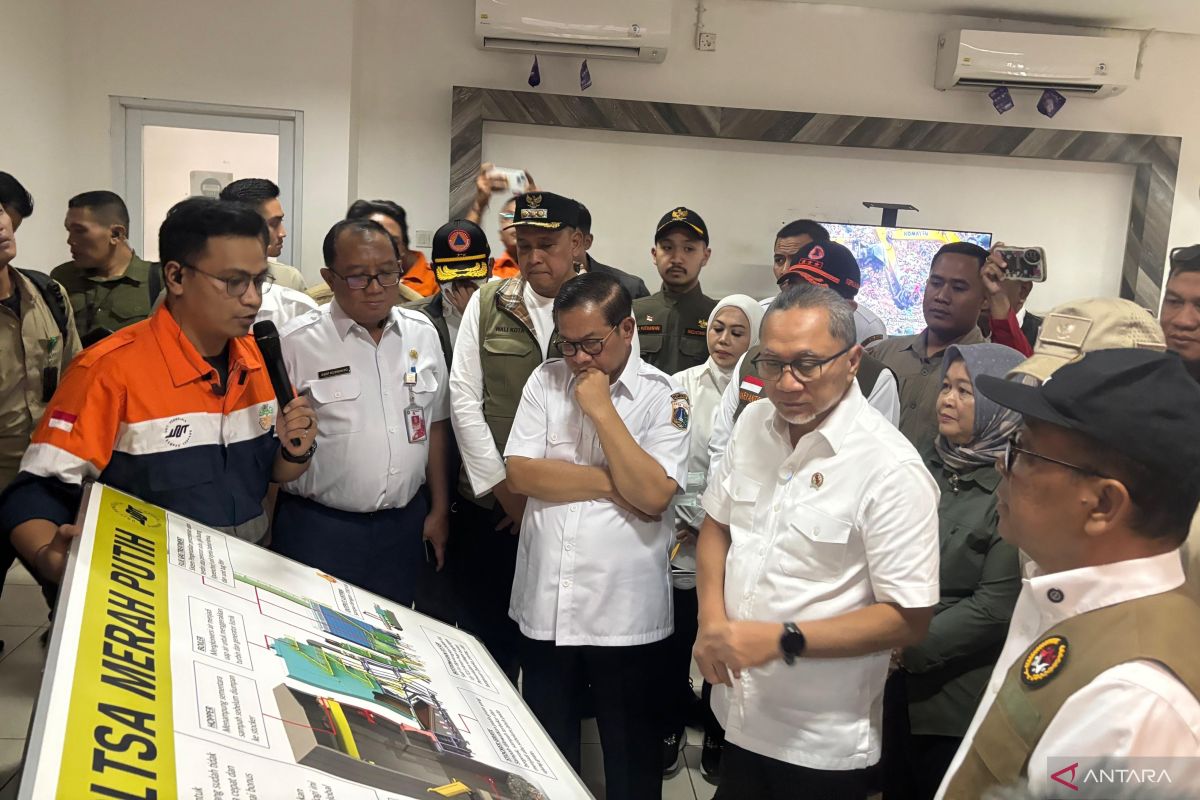
Indonesian Coordinating Minister for Food Affairs Zulkifli Hasan has urged for the reinforcement of laws related to waste management in the country, aiming to expedite the resolution of national waste issues. This statement follows a tragic incident at a waste processing site in Bantharghiban, which resulted in casualties.
Zulkifli emphasized during a coordination meeting in Jakarta that there is an urgent need for strict penalties to ensure compliance with waste management laws. He noted that "encouragement for adherence to the laws requires clear penalties; otherwise, people will not comply."
Details of the Incident
This call comes at a time when concerns about waste management in Indonesia are increasing, as many regions lack effective systems for handling waste. Zulkifli acknowledged that waste management is a shared responsibility among the government, society, and the private sector, stressing the importance of everyone’s participation in these efforts.
The legal framework for waste management in Indonesia is based on Law No. 18 of 2008, which outlines the obligations, restrictions, and penalties imposed on violators. This law aims to ensure integrated waste management from source to disposal, involving the government, community, and private sector in the process.
Background & Context
Historically, Indonesia has faced significant challenges in waste management, with waste volumes increasing dramatically in recent years due to population growth and urban expansion. This issue has impacted the environment and public health, making it an urgent matter that requires immediate response.
Incidents like the collapse at the waste processing site in Bantharghiban serve as stark reminders of the importance of improving waste management systems. This incident led to the deaths of several individuals, raising widespread concerns about the safety of waste processing sites in the country.
Impact & Consequences
Zulkifli's call for strengthened laws is an important step towards improving waste management in Indonesia. These measures are expected to help reduce the risks associated with waste management and improve environmental and health conditions in the country.
Moreover, enhancing the enforcement of laws can contribute to increasing public awareness about the importance of waste management, encouraging individuals and businesses to take positive steps towards reducing waste and recycling.
Regional Significance
The issue of waste management is also a common challenge faced by many Arab countries, with some experiencing similar problems due to population growth and urban expansion. The lessons learned from Indonesia's experience could be beneficial for Arab nations in developing effective waste management strategies.
Ultimately, improving waste management in any country requires a concerted effort between the government, society, and the private sector, ensuring sustainable and effective outcomes.