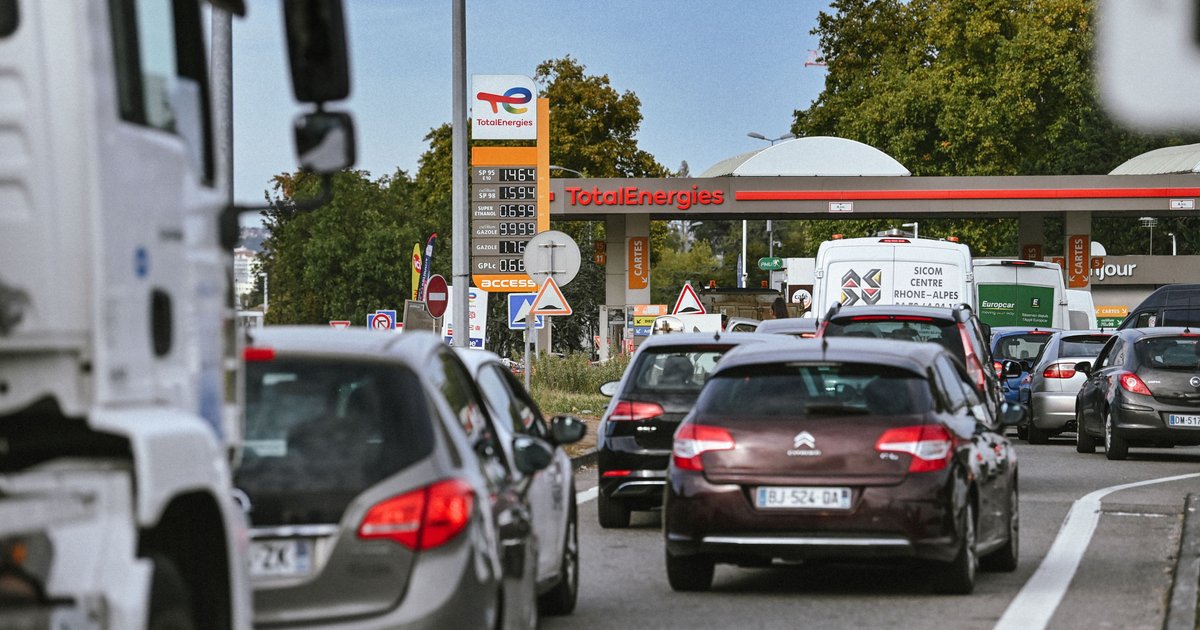
The Energy Parliamentary Committee in Jordan has announced strict measures against fuel stations that refuse to sell fuel, as part of the government's efforts to ensure fuel availability for citizens. This step comes in light of the recurring crises that have significantly impacted the lives of citizens.
The committee confirmed that there are clear directives for officials in the Ministry of Energy and Mineral Resources to monitor the performance of fuel stations and take necessary actions against non-compliant stations. Some members of parliament indicated that these measures come at a sensitive time, as citizens are suffering from rising fuel prices and shortages in certain areas.
Details of the Event
In its recent meeting, the Energy Parliamentary Committee discussed a number of complaints it received from citizens regarding the unavailability of fuel at some stations, leading to severe congestion and protests in certain areas. The importance of ensuring continuous fuel supply was emphasized, especially given the difficult economic conditions faced by citizens.
Reports prepared by the Ministry of Energy regarding the performance of the stations were also reviewed, revealing that some stations had declined in service levels, necessitating swift intervention by the committee. MPs confirmed that any station refusing to sell fuel will face strict penalties, including the revocation of licenses.
Background & Context
The fuel crisis is a sensitive issue in Jordan, where many citizens rely on private transportation that requires fuel daily. In recent years, the country has experienced several crises in this sector due to rising global oil prices, in addition to internal economic challenges.
Historically, there have been previous attempts to regulate the fuel market, but they were insufficient to address current challenges. With the rise of popular protests, it has become essential to take more stringent steps to ensure citizens' rights to access fuel.
Impact & Consequences
The new measures are expected to improve the level of service provided by fuel stations, which may alleviate the intensity of popular protests. Additionally, this step could enhance citizens' trust in the government and its ability to manage crises.
However, the biggest challenge remains how to deal with rising global oil prices, which directly affect fuel prices in Jordan. Therefore, the government needs long-term strategies to ensure market stability.
Regional Significance
The fuel crisis in Jordan is part of a larger crisis affecting many Arab countries, where oil markets are experiencing significant fluctuations due to political and economic events. Jordan's measures may influence neighboring countries, serving as a model for crisis management.
Ultimately, ensuring fuel availability and regulating the market remain vital issues that require continuous attention from Arab governments to ensure community stability and improve living standards.