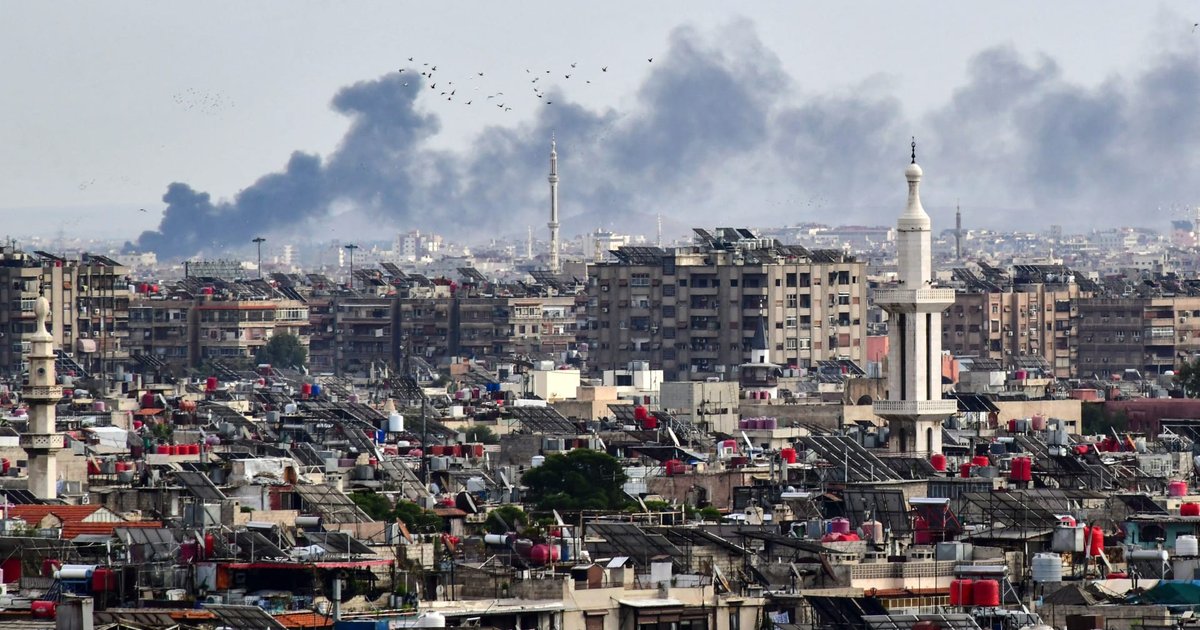
Iran witnessed airstrikes on Iranian Revolutionary Guard sites yesterday, coinciding with Israeli air defenses successfully intercepting a missile over Tel Aviv. These incidents occur amidst rising tensions between Iran and Israel, raising concerns about a possible military escalation in the region.
The airstrikes targeting Revolutionary Guard sites in central Iran are considered an unprecedented move, indicating an escalation in military operations against Iranian influence in the area. Conversely, the interception of the missile over Tel Aviv demonstrates the capability of Israeli defenses to counter threats, reflecting the high state of alert in Israel.
Details of the Incident
According to local sources, the airstrikes targeted military sites belonging to the Revolutionary Guard in the Isfahan region, where these sites are believed to have been used for missile development. No party has claimed responsibility for the strikes, but estimates suggest that Israel may be behind this operation, given its history of targeting Iranian facilities.
In the same context, reports indicated that Israeli air defenses intercepted a missile believed to have been launched from Syrian territory, with Tel Aviv as its intended target. This interception showcases the effectiveness of the Israeli defense system, which has been developed to address increasing threats from surrounding fronts.
Background & Context
These events unfold within the ongoing conflict between Iran and Israel, where Tel Aviv accuses Tehran of supporting armed groups in the region, which is seen as a threat to Israeli national security. In recent years, Iran has increased its influence in Iraq, Syria, and Lebanon, raising significant concerns in Israel.
Moreover, these incidents occur at a sensitive time as major powers negotiate with Iran regarding its nuclear program, complicating the situation in the region. Military escalation could impact these negotiations and exacerbate tensions among the involved parties.
Impact & Consequences
The Iranian airstrikes and missile interception serve as a wake-up call for the involved parties, indicating the possibility of greater military escalation in the region. This escalation could lead to a chain reaction of responses, intensifying the conflict and complicating peace efforts.
Furthermore, this escalation may affect global markets, particularly in the energy sector, as the Middle East is a vital region for oil supply. Any increase in military operations could lead to rising oil prices, impacting the global economy.
Regional Significance
The recent events signal that the Arab region may find itself at the center of a larger conflict between regional powers. Arab countries, which are directly affected by the tensions between Iran and Israel, may find themselves compelled to alter their security and defense strategies.
Additionally, these events could lead to strengthened regional alliances, as Arab nations seek to confront shared threats. Cooperation between Arab states and Israel may increase under these circumstances, reshaping the alliance landscape in the region.
In conclusion, recent events demonstrate that tensions in the Middle East remain high, and any escalation could have dire consequences for security and stability in the region.