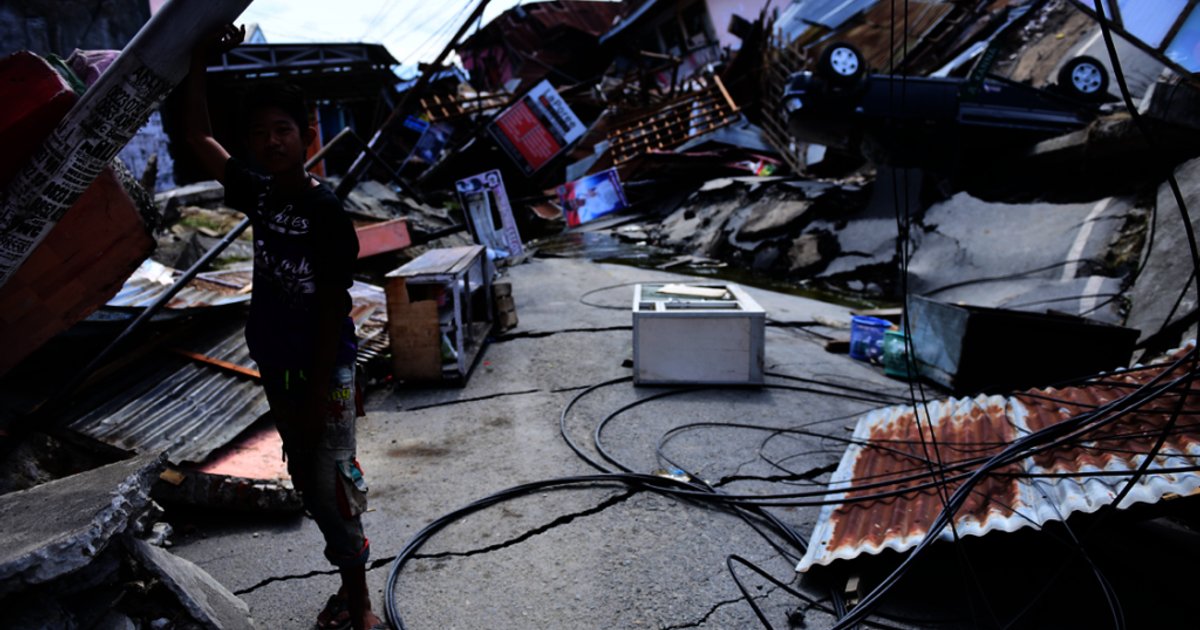
A powerful earthquake measuring 7.6 on the Richter scale struck areas in Northern Maluku and Sulawesi, prompting tsunami warnings. The Indonesian Search and Rescue Agency, Basarnas, dispatched teams from three offices to conduct rapid damage assessments and provide support to affected citizens.
In statements made by Basarnas Chief Mohammad Syafi in Jakarta, it was confirmed that the teams began working immediately in collaboration with the Indonesian Armed Forces and local police, along with other agencies involved in emergency response. He explained that the goal is to assess the damage to buildings and ensure the safety of citizens in the affected areas.
Details of the Event
The earthquake, which occurred early Thursday morning, had its epicenter near Batang Doi Island and was felt by residents in several areas including Ternate, Manado, and Gorontalo, where the intensity of the quake was recorded at up to level four on the MMI scale in some regions.
Following the earthquake, small tsunami waves were observed in some coastal areas, reaching heights of 0.30 meters in West Halmahera and 0.20 meters in Bitung, while North Minahasa recorded a height of 0.75 meters. However, the tsunami warning was lifted shortly after the earthquake.
Background & Context
Indonesia is considered one of the most earthquake-prone countries in the world, located on the Pacific Ring of Fire, an area known for its seismic activity. Historically, Indonesia has experienced numerous devastating earthquakes, including the 2004 tsunami earthquake that resulted in over 230,000 fatalities. Therefore, a rapid and effective response to earthquakes is crucial.
The Indonesian government is working to improve early warning systems and coordination among various agencies to ensure citizen safety. The swift response to the recent earthquake highlighted the importance of these systems in mitigating potential damage.
Impact & Consequences
According to initial reports, one fatality was recorded in Manado, along with one other person sustaining minor injuries. Additionally, 16 families in Minahasa Regency were affected, with several buildings damaged, including five government offices and one hotel.
In Ternate, damage was reported to one church and two houses as a result of the earthquake. These damages underscore the urgent need for a comprehensive damage assessment and the provision of necessary assistance to those affected.
Regional Significance
Although the earthquake occurred far from the Arab region, such natural events remind us of the importance of preparedness for natural disasters. Many Arab countries, such as Lebanon and Syria, also face seismic risks, necessitating the enhancement of early warning systems and emergency planning.
In conclusion, this earthquake serves as a reminder of the need for international cooperation in disaster management, as countries can share experiences and technologies to improve their responses to natural disasters.