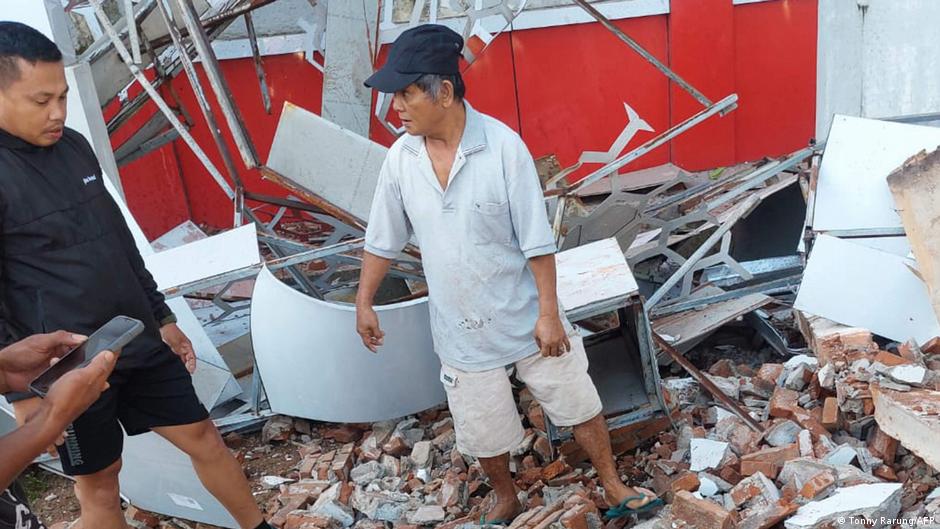
A powerful earthquake measuring 7.4 on the Richter scale struck the Maluku Sea north of Indonesia on Thursday morning, according to the U.S. Geological Survey. The earthquake occurred 127 kilometers west of the city of Ternate at a depth of 35 kilometers, raising fears of a tsunami in the area.
Despite initial warnings issued by relevant agencies, the tsunami alert was lifted shortly thereafter. However, there were reports of tsunami waves in North Maluku province measuring 30 centimeters and in the Bitung area of North Sulawesi measuring 20 centimeters.
Details of the Event
The earthquake, which occurred early Thursday morning, triggered aftershocks measuring up to 5.0. Reports indicated that one person died due to falling debris in the Manado area, where television footage showed significant damage to buildings.
Indonesia, located on the Ring of Fire in the Pacific, experiences intense seismic and volcanic activity, making it prone to such natural disasters. Research has shown that earthquakes in this region are often accompanied by tsunamis, increasing risks for local populations.
Background & Context
Historically, Indonesia has experienced several devastating earthquakes, including the Sumatra earthquake in 2004 that resulted in the deaths of over 230,000 people. Indonesia is situated in a region where several tectonic plates converge, making it one of the most seismically active areas in the world.
The swift response of local authorities in Indonesia, including the issuance and subsequent cancellation of tsunami warnings, reflects improvements in early warning systems and coordination among various agencies. However, concerns remain about the safety of populations in at-risk areas.
Impact & Consequences
The repercussions of the earthquake could be severe, potentially leading to infrastructure destruction and increased health risks due to the destruction of homes and facilities. Aftershocks may continue for some time, heightening tension and anxiety among residents.
Such events require a rapid response from the government and humanitarian agencies to ensure the safety of residents and provide necessary assistance to those affected. Additionally, enhancing public awareness on how to act during earthquakes can help reduce human losses.
Regional Significance
Although the earthquake occurred in Indonesia, major natural events like this attract significant interest in the Arab world. Arab nations closely monitor such occurrences, especially in light of climate and environmental changes that may impact seismic activity in other regions.
International cooperation in disaster management can positively influence the enhancement of local capacities in Arab countries to face such challenges.