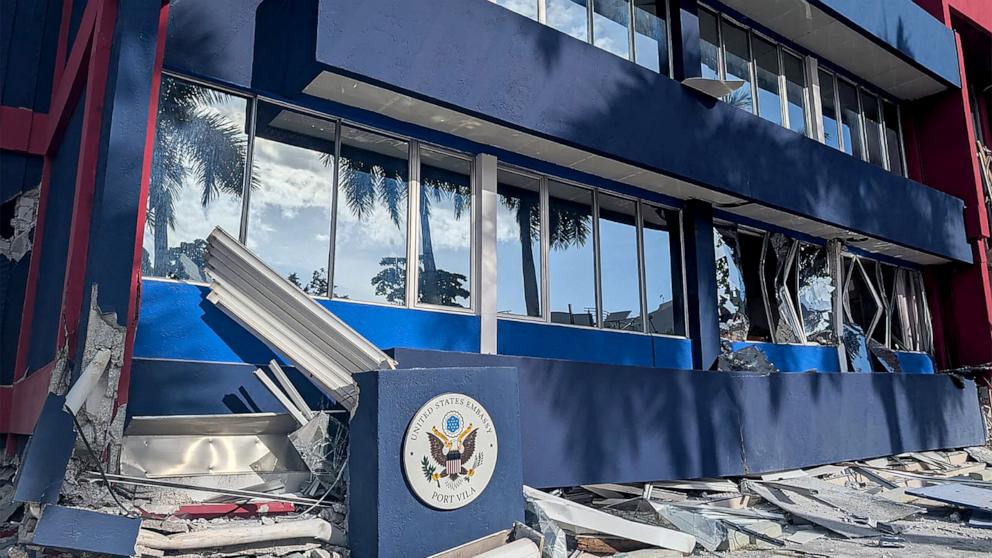
A powerful earthquake measuring 7.3 struck near the island of Vanuatu in the Pacific Ocean, raising alarm among local residents and authorities. The earthquake occurred early this morning, recorded at a depth of 10 kilometers, increasing the likelihood of its impact on nearby coastal areas.
So far, there have been no immediate reports of injuries or significant damage, but local authorities have begun assessing the situation. The earthquake comes at a sensitive time, as the region has been experiencing increased seismic activity in recent years.
Details of the Event
The earthquake struck at 06:00 AM Vanuatu time, and residents on several nearby islands felt it. The quake was classified as strong, prompting some residents to leave their homes in search of safety. Authorities issued warnings about the possibility of aftershocks, as major earthquakes are often followed by tremors.
Vanuatu is considered one of the most earthquake-prone areas in the world, located in a region known as the Ring of Fire in the Pacific, which is seismically active. In recent years, Vanuatu has experienced several strong earthquakes, making this event not new to the local population.
Background & Context
Historically, the Pacific region has been prone to earthquakes and tsunamis, having witnessed many devastating natural disasters. In 2018, a 7.5 magnitude earthquake struck Sulawesi Island in Indonesia, resulting in hundreds of casualties. These events highlight the importance of preparedness and readiness to face natural disasters in these areas.
Vanuatu, consisting of approximately 83 islands, is a popular tourist destination, but it also faces significant challenges due to climate change and seismic activity. The local government is working to enhance infrastructure to address these challenges, but much work remains to be done.
Impact & Consequences
This earthquake could have wide-ranging effects on the region, including impacts on tourism and the local economy. If damage occurs, infrastructure could be significantly affected, disrupting the daily lives of residents. Additionally, earthquakes can lead to changes in the marine environment, impacting marine life and fishing, which is a primary livelihood for many local residents.
These events require a swift response from the government and humanitarian agencies to ensure the safety of residents and provide necessary assistance. It is crucial to have effective emergency plans in place to address such disasters, including providing shelters and essential supplies to affected populations.
Regional Significance
While this earthquake may seem distant from the Arab region, major natural events anywhere in the world can impact global markets and economies. For instance, natural disasters can lead to rising food and commodity prices, affecting Arab countries that rely on imports.
Furthermore, climate change and seismic activity in areas like the Pacific may increase awareness of the importance of disaster preparedness worldwide, including in Arab nations. It is essential for Arab countries to learn from the experiences of others in enhancing their capabilities to face natural disasters.