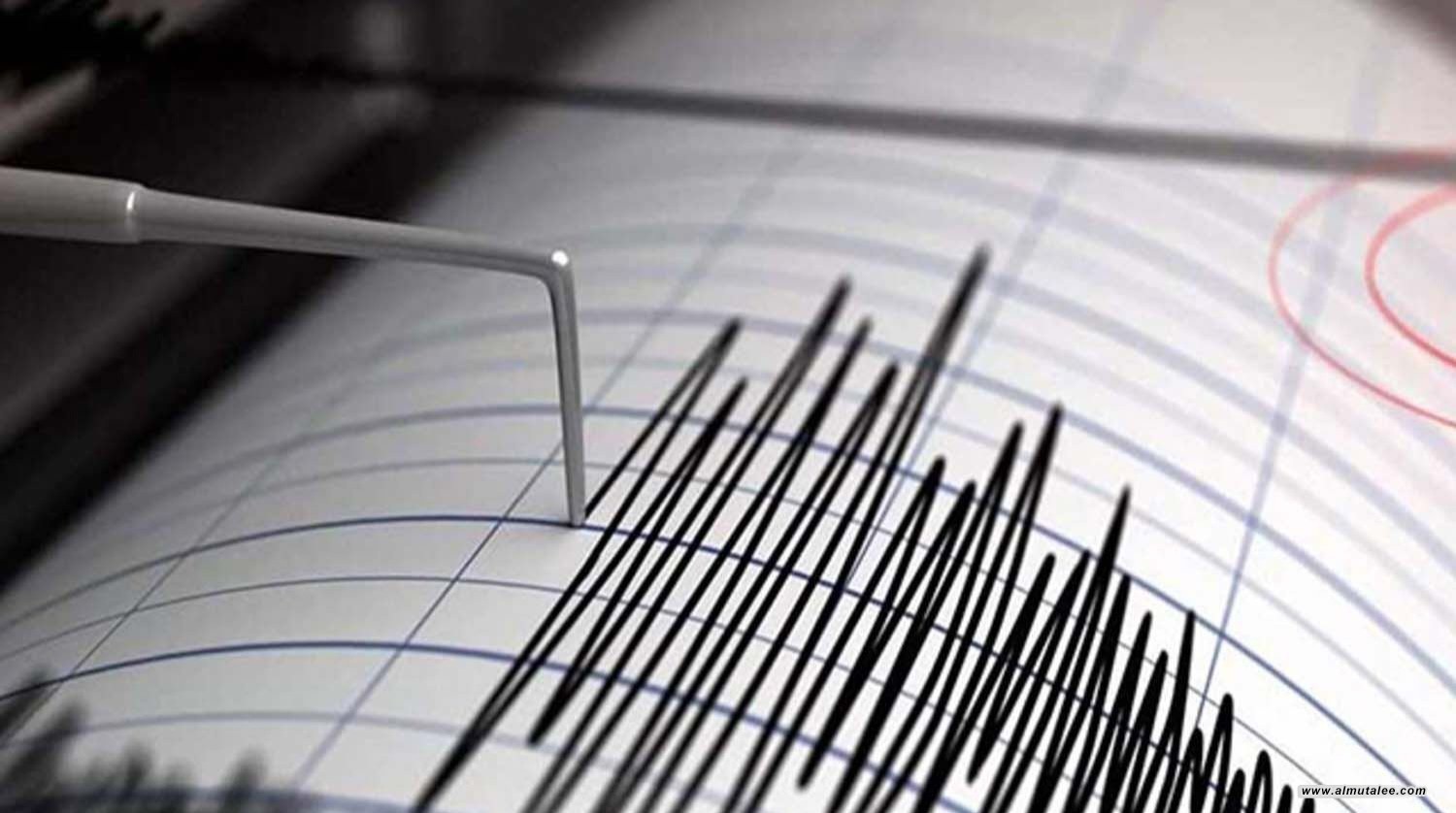
A magnitude 6.4 earthquake struck the coast of Vanuatu in the Pacific Ocean, raising concerns among local residents. The earthquake occurred early this morning, and many residents in coastal areas felt it. So far, there have been no reports of significant damage or injuries, but local authorities continue to assess the situation.
Vanuatu is considered one of the most earthquake-prone regions in the world, located in an area known as the Ring of Fire, which is a seismically active zone that extends around the edges of the Pacific Ocean. This earthquake serves as a new reminder of the dangers in this area, which has previously experienced many devastating earthquakes.
Details of the Event
According to the Pacific Earthquake Center, the earthquake occurred at a depth of 10 kilometers, indicating that it was relatively shallow. The epicenter of the earthquake was near Espiritu Santo, one of the largest islands in Vanuatu. After the earthquake, tsunami warnings were issued but were canceled shortly thereafter.
Local authorities are currently conducting assessments of potential damage, with rescue teams dispatched to affected areas. Emergency plans have also been activated to ensure the safety of residents and provide necessary assistance.
Background & Context
Historically, Vanuatu has experienced many powerful earthquakes, with the earthquake that occurred in 2002 measuring 7.0 being among the most destructive in the country's history. The country is also regularly subjected to storms and cyclones, complicating relief and recovery efforts.
Earthquakes are a part of daily life in this region, where residents learn to adapt to these natural phenomena. However, each earthquake carries significant risks, especially concerning public safety and infrastructure.
Impact & Consequences
Although there have been no reports of significant damage so far, earthquakes can lead to long-term consequences for local communities. In the event of damage, the country may require international support to aid in recovery and rebuilding efforts.
The impact of the earthquake could extend to tourism, which is one of the main sources of revenue for Vanuatu. Any reports of damage or injuries could affect tourists' decisions to visit the country, negatively impacting the local economy.
Regional Significance
While the earthquake in Vanuatu may seem distant from the Arab region, natural events like this remind us of the global interconnectedness. Earthquakes can affect global financial markets and lead to changes in commodity prices.
Arab countries, facing their own environmental challenges, could benefit from Vanuatu's lessons on how to prepare for and deal with natural disasters.
In conclusion, the earthquake that struck the coast of Vanuatu serves as a reminder of the power of nature and the importance of preparedness for disasters. The international community must remain united in supporting countries affected by natural disasters to ensure the safety of residents and enhance recovery efforts.