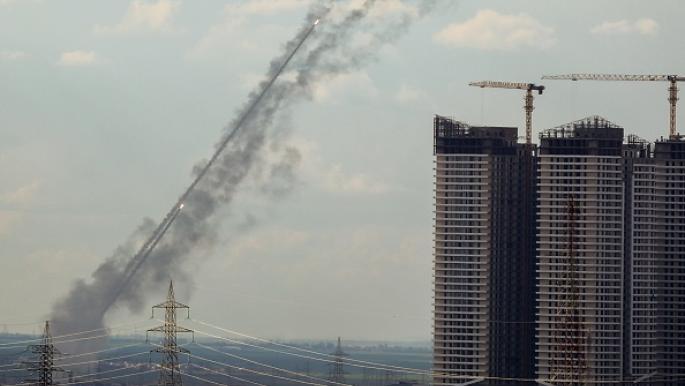
The joint military coordination committee between Baghdad and Washington has failed to keep Iraq out of the ongoing conflict that has persisted for over a month. Despite the announcement of the committee's formation about a week ago, the situation in Iraq remains tense, raising concerns about the committee's ability to achieve its goals.
The military coordination committee was established amid increasing international efforts to address the security tensions in Iraq, which have significantly escalated recently. However, events on the ground indicate that the challenges facing Iraq are much greater than mere military coordination.
Details of the Situation
Reports indicate that Iraq has witnessed an escalation in military operations, with clashes continuing between various armed factions, exacerbating the humanitarian situation. The military coordination committee was formed as part of efforts to enhance cooperation between Iraqi forces and U.S. forces, aiming to achieve stability in the country.
However, despite these efforts, the situation in Iraq continues to deteriorate, with an increase in armed attacks, undermining the Iraqi government's ability to control the situation. This has raised widespread concern among political and public circles, with many questioning the effectiveness of this committee in achieving security and peace.
Context and Background
Historically, Iraq has experienced numerous armed conflicts since the U.S. invasion in 2003, which led to instability in the country. Since then, the country has suffered from sectarian divisions and internal conflicts, making it a battleground for multiple external interventions.
In recent years, tensions in Iraq have intensified, especially with the rising influence of Iran-backed armed groups. This has complicated the security landscape, as the Iraqi government faces significant challenges in asserting control over Iraqi territories.
Consequences and Impact
The consequences of the failure of the military coordination committee between Baghdad and Washington extend beyond military dimensions, affecting political and economic stability in Iraq. As the conflict continues, the number of displaced persons and casualties is increasing, placing additional burdens on the Iraqi government.
Furthermore, the ongoing conflict could exacerbate the humanitarian situation, with many Iraqis suffering from a lack of essential services such as water, electricity, and healthcare. This may contribute to rising public discontent towards the government, threatening its stability.
Impact on the Arab Region
The situation in Iraq serves as an indicator of the security challenges facing the Arab region as a whole. The ongoing conflicts in Iraq could affect neighboring countries, where chaos may spill over into other states, increasing regional tensions.
Moreover, the continuation of the conflict in Iraq could impact counter-terrorism efforts in the region, as extremist groups may exploit the prevailing chaos to enhance their influence.
In conclusion, the situation in Iraq remains complex, with current challenges requiring a comprehensive response from the international community, including enhancing coordination between Baghdad and Washington to ensure stability in the country.