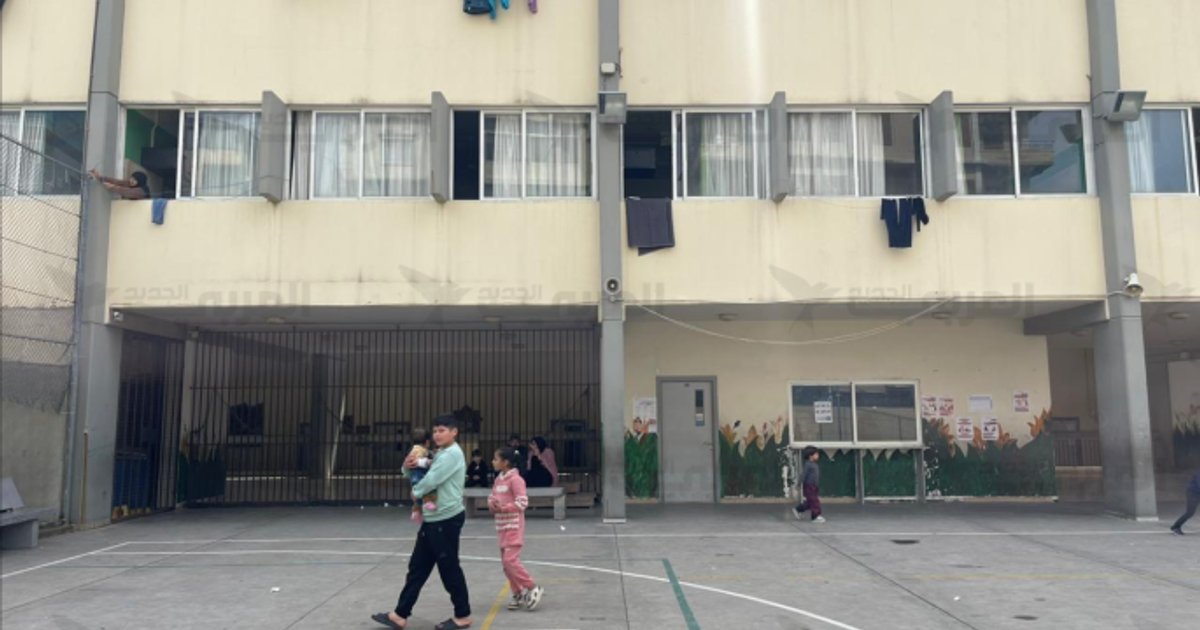
In the halls of schools in northern Lebanon, which have turned into shelters, hundreds of painful stories of displaced individuals fleeing the ravages of war echo. While they experience a sense of relative safety in these centers, the lack of basic services remains a major barrier to their return to normal life.
The displaced families are spread across classrooms, where rooms are filled with children, women, and the elderly, all carrying painful memories of the homes they left behind. The displaced speak of their daily struggles, lacking access to water, electricity, and healthcare, which exacerbates their psychological and physical suffering.
Event Details
The schools in northern Lebanon that have welcomed the displaced serve as a temporary refuge, yet they suffer from a severe shortage of resources. Displaced individuals report difficulties in obtaining food and medicine, with many relying on humanitarian aid that arrives sporadically. Despite the efforts made by non-governmental organizations, the situation remains extremely challenging.
In light of these circumstances, many wonder about the ability of these centers to meet their basic needs. Some displaced individuals have pointed out that the safety they feel does not compensate for their loss of livelihoods and essential resources.
Background & Context
The history of displacement in Lebanon dates back many years, beginning with the Lebanese Civil War in the 1970s and continuing with the Syrian conflict that has led to a massive influx of refugees into Lebanon. As crises persist, Lebanon has become one of the most refugee-hosting countries in the world, placing immense pressure on infrastructure and public services.
Challenges are increasing as the economic situation in Lebanon deteriorates, with the country suffering from a crippling financial crisis that has led to rising poverty and unemployment rates. This situation makes it difficult for the Lebanese government to provide the necessary support for the displaced, further complicating the humanitarian crisis.
Impact & Consequences
The displacement crisis in northern Lebanon affects the social and economic stability of the country. The increasing pressure on public services has exacerbated tensions between the displaced and local communities. Additionally, the lack of basic services contributes to rising crime rates and social unrest.
These conditions require an urgent response from the international community, as efforts must be combined to provide the necessary support for the displaced and alleviate their suffering. Improving the living conditions of the displaced is not only a humanitarian duty but also a necessity for achieving stability in the region.
Regional Significance
The displacement crisis in Lebanon serves as an example of the humanitarian challenges faced by many Arab countries. As armed conflicts continue in the region, the number of displaced individuals and refugees is increasing, necessitating a coordinated response from governments and international organizations.
Addressing displacement issues requires joint efforts from all stakeholders, including governments, non-governmental organizations, and the international community. The more support provided to the displaced, the greater the chance for achieving stability and peace in the region.
In conclusion, the stories of the displaced in northern Lebanon stand as a testament to the brutality of war, highlighting the need for collective efforts to alleviate their suffering and improve their living conditions. Safety alone is not enough; it must be accompanied by the provision of basic services to ensure a dignified life for the displaced.