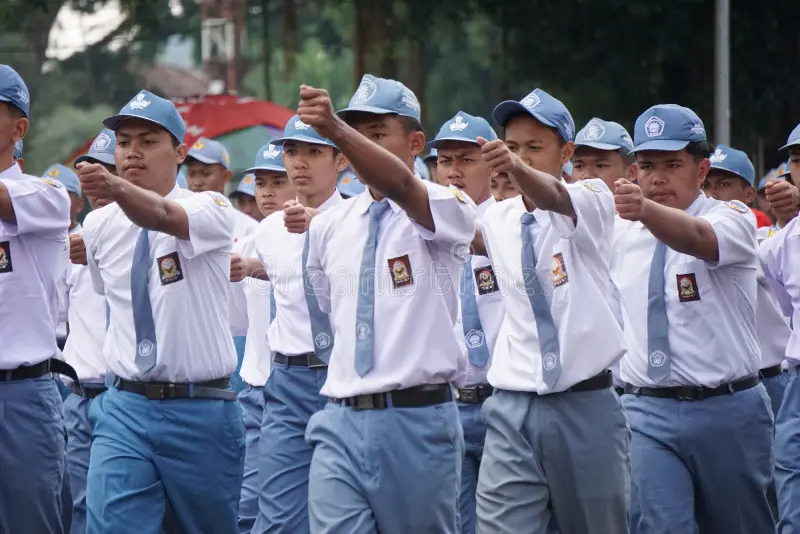
Students at SDN Duren Sawit 02 Pagi in East Jakarta commenced their first school day after the Eid al-Fitr holiday of 2026, but they have yet to receive the free meal program (MBG). The school principal, Marlina, stated that the distribution of these meals will begin the next day, indicating that the process will occur simultaneously across several schools.
Marina confirmed that the school administration had informed parents and students in advance about the meal distribution schedule, which contributed to the absence of complaints from them. She explained that educational activities began normally from this morning, with rituals such as flag-raising and "Hilal Bilal" celebrations organized to strengthen social bonds after the holiday.
Event Details
The educational activities at the school run from 06:30 to 12:15 Indonesia time, with 394 students returning to their desks. Marina expressed hope that the return to school and the distribution of meals would enhance students' enthusiasm for learning and maintain their health after the long holiday.
She noted that the school day was filled with activity, as students were in good health and actively participated in all events. This return to school is seen as a new beginning for the students, with everyone hoping that this period will be filled with learning and success.
Background & Context
Free meal programs are an essential part of the Indonesian government's efforts to improve student health and enhance education. These programs aim to reduce malnutrition rates among children, contributing to improved academic performance. The MBG program was launched as part of a national strategy to combat poverty and malnutrition, particularly in low-income areas.
Historically, Indonesia has faced significant challenges in education and health, with the government striving to improve these conditions through various programs. The distribution of meals is part of these efforts, as officials aim to ensure that every child receives the necessary nutrition to support their learning.
Impact & Consequences
The return to schools after the holiday presents an opportunity to boost morale among students; however, the lack of free meals on the first day may raise some concerns. Nevertheless, the assurance of meal distribution starting the next day reflects the government's commitment to improving educational and health conditions. This delay may impact students' morale, but the advance information provided to parents helped mitigate complaints.
It is crucial for the government to continue effectively monitoring the implementation of meal programs, as good nutrition plays a vital role in enhancing students' academic performance. Additionally, these programs may contribute to reducing poverty and malnutrition rates in the country.
Regional Significance
Indonesia's experience in education and meal distribution is of interest to Arab countries, many of which face similar challenges in education and health. Arab nations can benefit from this experience by developing similar programs aimed at improving student health and enhancing education.
Given the economic and social challenges faced by many Arab countries, it becomes essential to promote cooperation among nations to exchange experiences and effective solutions. Improving educational and health conditions for children is an investment in the future of upcoming generations.