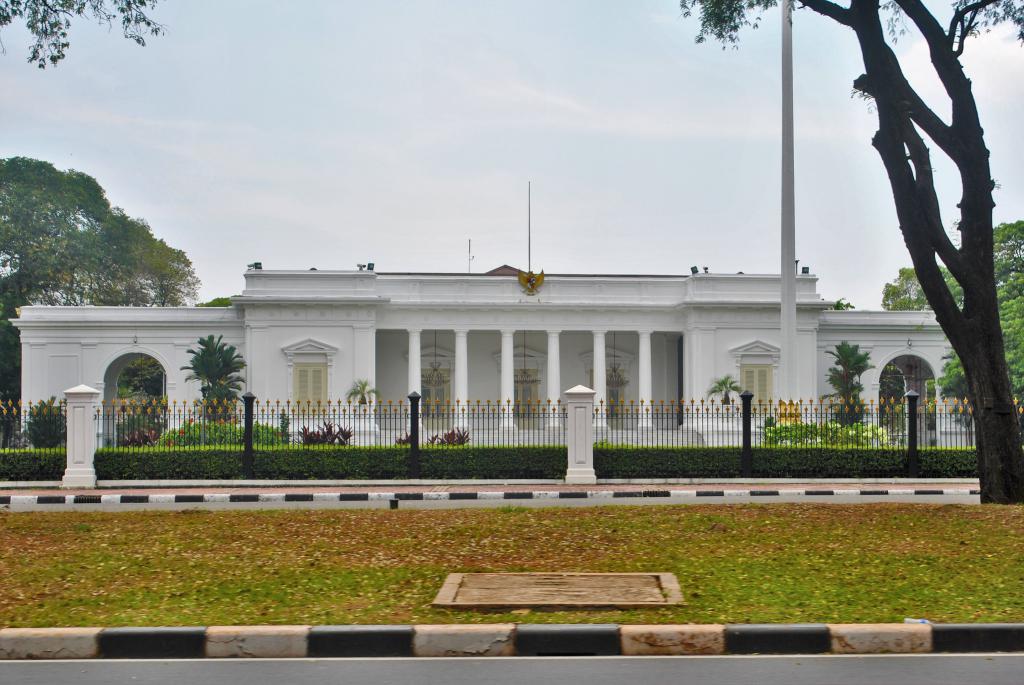
In a move reflecting the Indonesian government's commitment to enhancing political awareness among youth, students from SMK Negeri 19 in Jakarta visited the Presidential Palace, where they had the opportunity to closely learn about the government bureaucracy system. This visit, which took place on Tuesday, was part of the 'Palace for Students' program aimed at educating students on how the government operates.
The accompanying teacher, Kristin Ramping, expressed her gratitude to President Prabowo Subianto and Secretary of the Cabinet Teddy Indra Wijaya for providing this opportunity for the students. She emphasized that this visit was not only an educational experience but also a source of pride for the students, as they were able to explore the Presidential Palace and interact with the governmental work environment.
Event Details
During the visit, the students did not expect to explore various rooms of the Presidential Palace, as an internal tour was organized for them. Kristin explained that the students were excited to see places they had not been able to access before, adding a new dimension to their educational experience.
The visit also featured a dialogue session, where students posed questions about how to present their ideas and proposals to the government. These moments served as an opportunity to encourage students to think critically and engage actively in the political process.
Background & Context
This visit is part of the Indonesian government's efforts to promote civic education among youth. Historically, there have been numerous attempts to enhance political awareness among students, but this program represents a new and innovative step in this direction.
Through such initiatives, the government aims to build a politically aware generation capable of participating in decision-making and contributing to the country's development. Civic education is considered an essential part of the educational curriculum in Indonesia, reflecting the importance of students understanding how the government operates.
Impact & Consequences
The visit was not just an educational experience; it had broader implications for society. By enhancing political awareness, these initiatives can help shape a generation of future leaders who have the ability to influence their communities.
Moreover, these experiences foster a sense of belonging among students, which may lead to increased participation in political and social activities in the future. It is crucial for the government to continue supporting such programs to ensure the sustainability of this awareness.
Regional Significance
Indonesia's experience in promoting civic education serves as a model that Arab countries can benefit from. Given the political and social challenges faced by many Arab nations, enhancing political awareness among youth is a vital step towards building more stable and conscious societies.
Arab countries can draw inspiration from these initiatives to develop similar educational programs that enhance youth participation in political life, contributing to sustainable development.
The visit of SMK Negeri 19 students to the Presidential Palace reflects the importance of civic education in shaping the future of youth and underscores the necessity of continuing such initiatives to promote awareness and political participation.