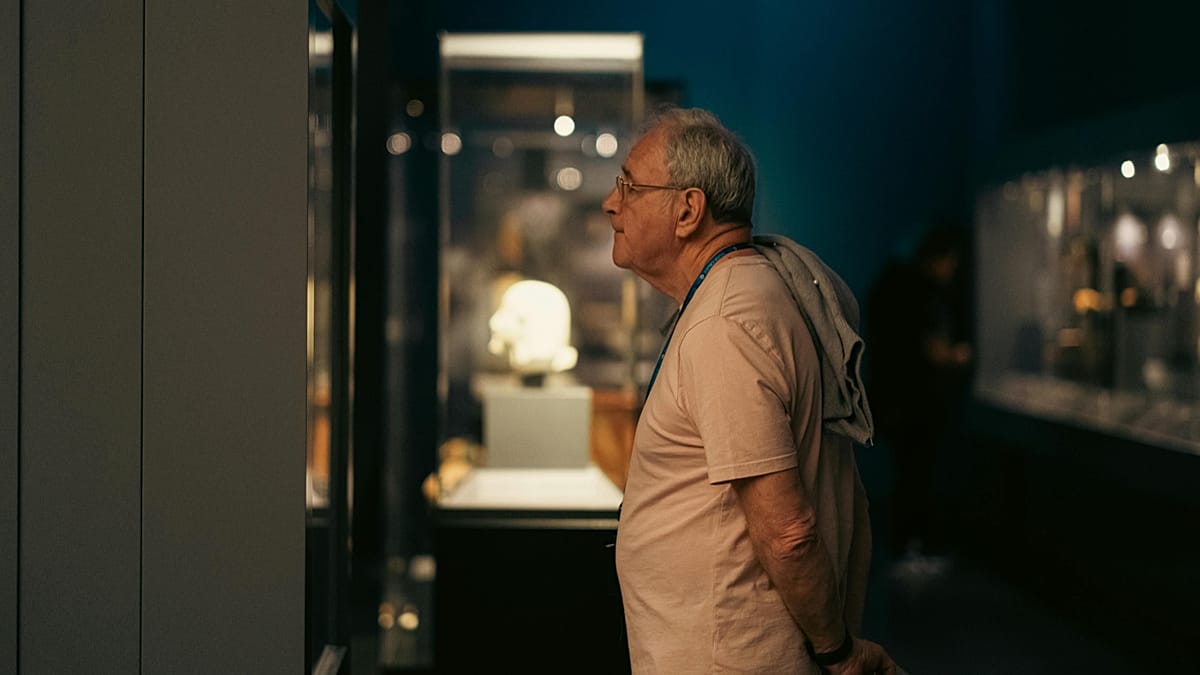
A new study from University College London indicates that regular participation in arts and cultural activities may contribute to slowing the biological aging process. Researchers found that individuals who engage in these activities at least once a week exhibit slower biological aging signs compared to those who do not participate.
The study, published in the journal Innovation in Aging, analyzed survey data and blood test results from 3,556 adults in the United Kingdom. The researchers compared the level of individuals' engagement in artistic activities with chemical changes in DNA associated with aging.
Study Findings
The results showed that people who participate in a variety of arts and cultural activities experience a slower aging process. The study revealed that those who engage in an artistic activity once a week age 4% slower than those who do not participate in these activities.
Researchers described these findings as similar to those observed among individuals who exercise regularly compared to those who do not. The lead author of the study, Daisy Fancourt, emphasized that these results reinforce the importance of arts and culture as part of a healthy lifestyle.
Background & Context
Arts and culture are fundamental aspects of human life, playing a significant role in enhancing both mental and physical health. Previous research has shown that artistic activities can reduce stress levels, alleviate inflammation, and improve the risk of heart disease. However, this study provides new evidence linking the arts to biological aging.
Impact & Consequences
This study underscores the importance of incorporating arts and cultural activities into daily life as a means to promote overall health. The findings suggest that the arts can be an effective tool in combating aging, paving the way for further research in this area. These results serve as a call for public policies to encourage arts and culture as part of health promotion strategies, potentially leading to improved quality of life for individuals and communities.
Regional Significance
Incorporating arts into public health initiatives could have significant implications for community well-being. As societies face aging populations, understanding the role of cultural engagement in health becomes increasingly vital. This research may influence future policies aimed at enhancing public health through cultural investments.
In conclusion, the study highlights the critical role of arts and culture in promoting public health and their positive impact on biological aging. As more evidence emerges, it may reshape how we view the integration of arts into health strategies.