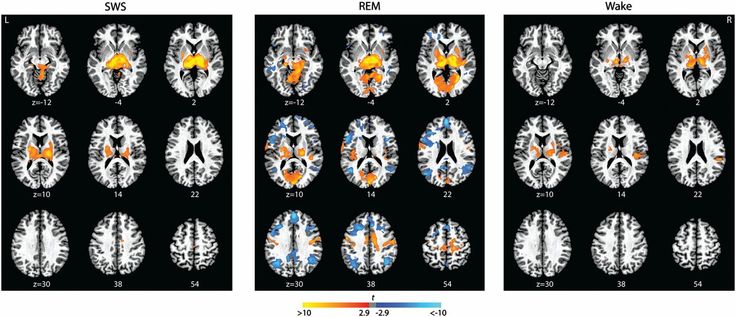
A recent study has revealed a close relationship between sleep quality and age on one side, and brain activity on the other. Research has confirmed that good sleep plays a crucial role in enhancing cognitive abilities, positively affecting individuals' mental performance, particularly as they grow older.
Scientific evidence linking good sleep to brain health is increasing, with studies showing that individuals who get sufficient sleep enjoy better cognitive abilities compared to those suffering from sleep deprivation. Research has indicated that deep sleep helps improve memory and concentration, highlighting the importance of sleep in daily life.
Study Details and Methodology
The study involved a series of research conducted on a sample of individuals of various ages. Brain activity was measured using modern techniques such as magnetic resonance imaging (MRI). The results indicated that individuals who sleep well exhibit higher brain activity, reflecting a better capacity to process information and interact with their environment.
The study also revealed that changes in brain activity increase with age, as older adults experience a decline in sleep quality, negatively impacting brain functions. Research has confirmed that improving sleep quality can have a positive effect on the mental health of the elderly.
Background & Context
Sleep deprivation is a common health issue in modern times, with many people suffering from insomnia or difficulty sleeping. Previous studies have shown that lack of sleep leads to a range of health problems, including depression and anxiety. Additionally, aging is accompanied by natural changes in sleep patterns, necessitating a deeper understanding of the relationship between sleep and age.
This study is part of broader efforts to understand how lifestyle impacts brain health. Previous research has shown that environmental and psychological factors play a significant role in sleep quality, opening the door for further studies in this area.
Impact & Consequences
The findings emphasize the importance of improving sleep quality as part of strategies to enhance mental health. These results can help guide public health policies towards raising awareness about the significance of good sleep. They may also contribute to the development of intervention programs aimed at improving sleep patterns among the elderly.
Moreover, these findings could be beneficial for professionals in the mental health field, as they can assist in providing effective advice to patients experiencing sleep issues. Thus, enhancing sleep quality can have positive effects on overall health.
Regional Significance
In the Arab region, sleep deprivation is a common problem, with many individuals facing daily life pressures. These pressures can lead to a deterioration in sleep quality, affecting both mental and physical health. Therefore, understanding the relationship between sleep and age can help develop appropriate health strategies.
This study may contribute to raising awareness about the importance of sleep in Arab communities, potentially leading to an overall improvement in quality of life. By promoting awareness, individuals may be able to take effective steps to enhance their lifestyle.
In conclusion, this study underscores the importance of good sleep and its impact on brain activity, highlighting the need to focus on improving sleep quality as part of public health enhancement strategies.