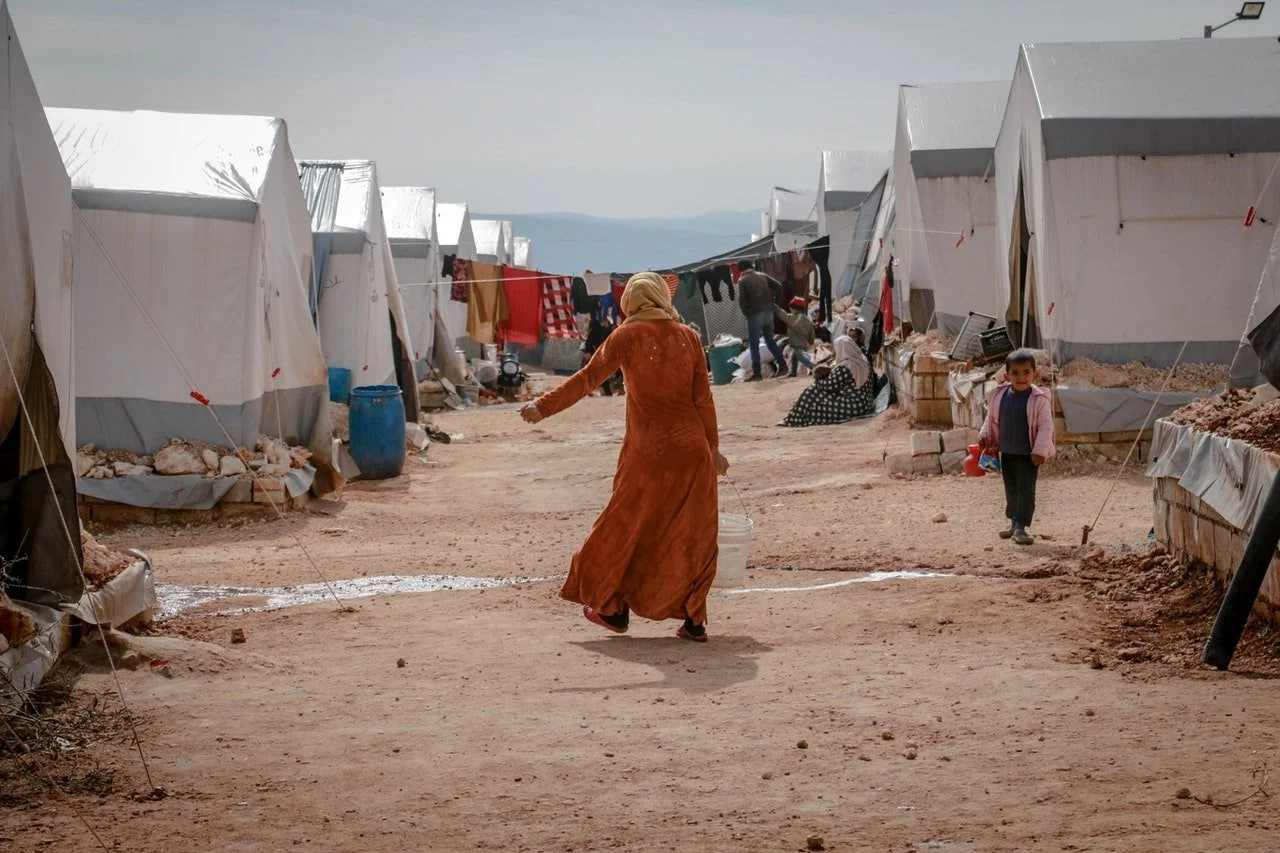
A recent study has revealed that approximately 25% of households in refugee camps are led by women, highlighting the significant challenges faced by this demographic. The findings indicate an increasing role of women in providing support for their families under difficult circumstances experienced by refugees.
The study sheds light on the growing burdens that women in camps bear, as many are forced to work under harsh conditions to secure a livelihood for their families. These results come at a time when the number of refugees worldwide is on the rise, necessitating greater attention from the international community.
Details of the Findings
The data shows that women in refugee camps face multiple challenges, ranging from financial resource shortages to difficulties accessing education and healthcare. In many cases, women are the primary breadwinners, placing them in a challenging position that requires them to adapt to harsh living conditions.
The study also includes statistics on the percentage of working women in the camps, revealing that a significant number are employed in informal jobs, exposing them to economic and social risks. Additionally, many women face difficulties in accessing psychological and social support, which affects their ability to cope with daily pressures.
Background & Context
The refugee crisis is considered one of the largest humanitarian challenges of modern times. According to the United Nations, there are over 80 million displaced persons worldwide, including approximately 26 million refugees. The number of women and children among these refugees is increasing, highlighting the need to focus on their specific needs.
Historically, women in camps have suffered from marginalization, but with the rising number of female-led households, there is an emerging need for greater support to empower them. This shift requires new strategies from humanitarian organizations and host countries.
Impact & Consequences
The findings indicate the necessity to reassess refugee-related policies, which should include specific support programs for women. Furthermore, opportunities for education and vocational training must be enhanced to empower women to secure sustainable jobs.
Moreover, empowering women in the camps can contribute to improving overall living conditions, benefiting the community as a whole. Supporting women in these challenging circumstances can have a positive impact on future generations.
Regional Significance
Many Arab countries are directly affected by the refugee crisis, with nations such as Jordan, Lebanon, and Syria hosting large numbers of refugees. Empowering women in these camps can help enhance social and economic stability in the region.
Additionally, strengthening the role of women in the camps can contribute to building more resilient communities capable of facing future challenges. Supporting refugee women is not just a humanitarian duty but also an investment in the future of the region.
In conclusion, this study highlights the importance of supporting women in refugee camps, as their role in sustaining households is significantly increasing. The international community must take effective steps to ensure their rights and needs are met, contributing to improving their conditions and opening new horizons for a better future.