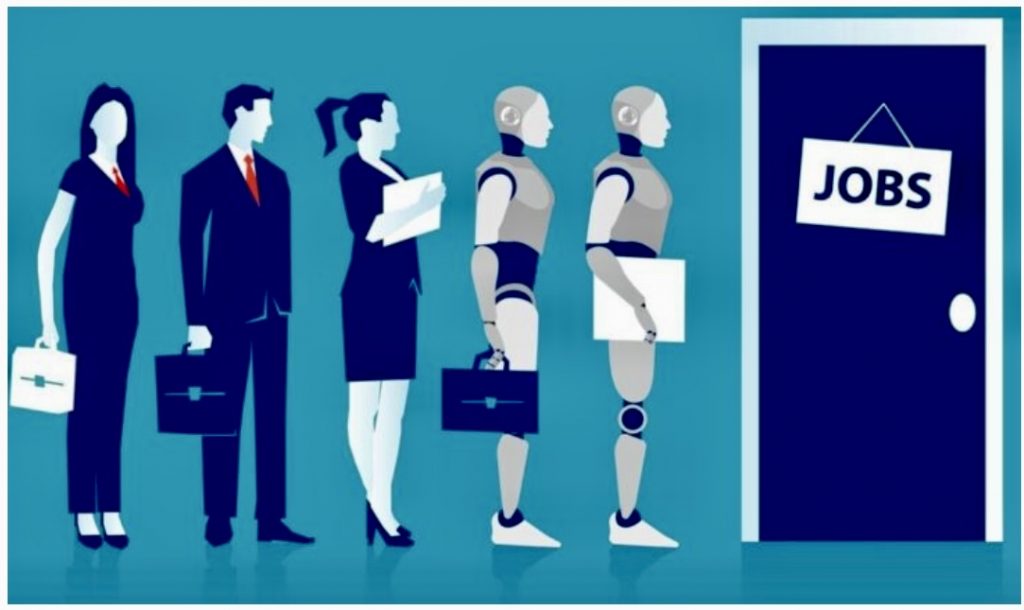
A new study released in 2023 indicates that artificial intelligence, particularly software powered by large language models, will significantly affect the job market. The research explores future predictions on how this technology will be utilized across various sectors, raising questions about potential changes in job nature and required skills.
The study highlighted numerous assumptions regarding how AI-powered software might evolve and the innovative solutions it could offer. These assumptions were analyzed by researchers specializing in this field, reflecting the topic's importance amid the rapid changes the world is experiencing.
Details of the Study
The study includes a set of assumptions about how large language models can be used to develop software that could revolutionize multiple fields such as education, healthcare, and financial services. It focused on how efficiency could be improved and productivity increased through these technologies.
The study also addressed the potential impacts on the job market, where traditional jobs are expected to change significantly, necessitating workers to develop new skills that align with the demands of the digital age. Researchers pointed out that these changes could lead to the creation of new job opportunities, but they could also result in the loss of traditional jobs.
Background & Context
Over the years, the world has witnessed significant advancements in artificial intelligence, with this technology becoming an integral part of our daily lives. From smartphone applications to intelligent systems in factories, AI-powered software plays a pivotal role in enhancing efficiency and reducing costs.
Historically, there has been considerable debate regarding the impact of artificial intelligence on the job market. While some believe that this technology will lead to the loss of many jobs, others argue that it will create new opportunities and aid in skill development. This study comes at a critical time as reliance on AI increases across various fields.
Impact & Consequences
The implications of this study encompass several aspects, ranging from economic impacts to social changes. The increased use of artificial intelligence is expected to enhance efficiency in many sectors, potentially contributing to increased productivity and economic growth.
However, it is essential to remember that these changes may bring new challenges, such as the need for worker retraining and skill development. Therefore, it is crucial for governments and companies to adopt effective strategies to address these challenges.
Regional Significance
In the Arab region, artificial intelligence could have a significant impact on the job market. With the growing reliance on technology, new opportunities may arise in fields such as education and financial technology. However, Arab countries must prepare for these changes by investing in education and vocational training.
There is also an urgent need to develop national strategies that promote the responsible use of artificial intelligence, ensuring that economic and social benefits are achieved without harming traditional employment.
The study of artificial intelligence capabilities in the job market reflects the importance of preparing for future changes. Everyone, from governments to individuals, must be ready to face the challenges and opportunities that may come with this evolving technology.