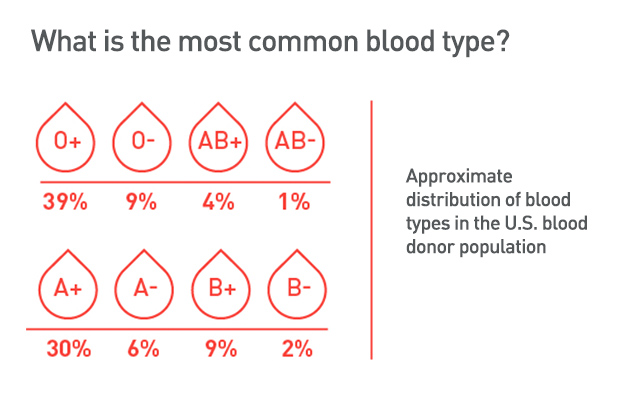
A recent study has shown that blood type B may increase the risk of developing type 2 diabetes by as much as 28%. These findings come at a time when there is growing interest in the risk factors associated with chronic diseases, especially given the rising cases of diabetes worldwide.
This study is part of ongoing efforts to understand the relationship between blood types and various diseases. A large dataset of individuals was analyzed, enhancing the credibility of the results. Researchers pointed out that blood type may play a role in how the body responds to insulin, which is a key factor in the development of type 2 diabetes.
Details of the Study
The study, conducted by a team of researchers at a specific university, involved analyzing data from over 100,000 individuals, who were classified according to their blood types. The results showed that individuals with blood type B were more likely to develop diabetes compared to those with other blood types.
It was also noted that blood type A was associated with an increased risk, but to a lesser extent. These results open the door for further research on how blood types affect public health, particularly regarding chronic diseases.
Background & Context
Type 2 diabetes is one of the most prevalent chronic diseases globally, affecting millions of people. According to the World Health Organization, the number of people with diabetes surpassed 422 million in 2014, and this figure is expected to continue rising.
There are multiple factors that contribute to the onset of diabetes, including genetic factors, lifestyle, and nutrition. However, understanding the relationship between blood types and diseases could provide new insights into how to prevent these conditions.
Impact & Consequences
If these findings are confirmed through additional studies, they could have significant implications for prevention and treatment strategies. This knowledge could lead to the development of tailored health programs targeting individuals based on their blood types, potentially helping to reduce diabetes rates.
Moreover, these results may attract the attention of doctors and public health researchers, as they could contribute to a better understanding of how blood types influence overall health, thereby improving treatment and prevention strategies.
Regional Significance
In the Arab region, where diabetes cases are notably increasing, these findings may hold particular importance. Reports indicate that diabetes prevalence in some Arab countries exceeds 20% of the population, necessitating urgent actions to curb the spread of this disease.
This study could help raise awareness about the importance of blood type testing as part of routine medical check-ups, which may assist in early detection of health risks.
In conclusion, this study highlights the importance of ongoing research into the relationship between blood types and chronic diseases. As diabetes cases continue to rise, understanding this relationship could be a crucial step toward improving public health and reducing disease prevalence.