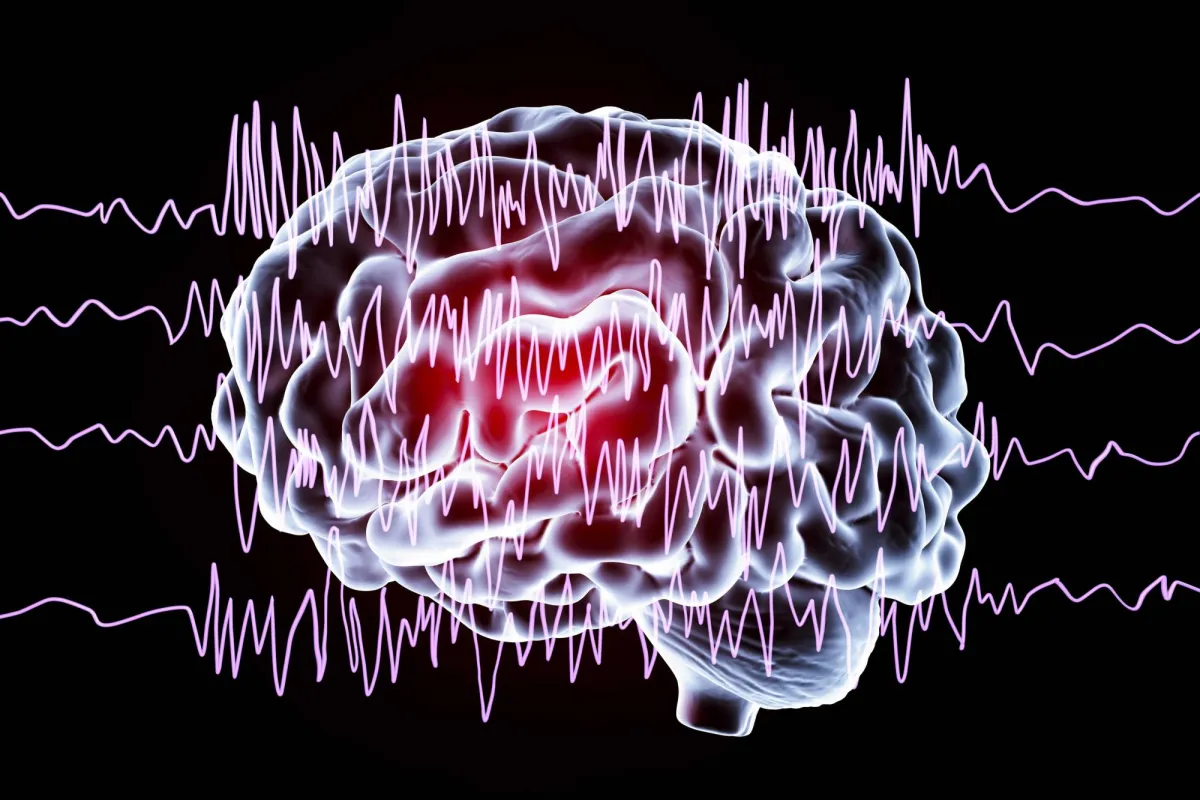
A recent study by researchers from the University of Manchester in the UK, published in the journal Nature Genetics, has revealed the existence of a recessive gene believed to be responsible for a severe form of epilepsy. The research team reported that millions of people worldwide may be carriers of this defective gene, prompting inquiries into the possibility of developing new treatments for this condition.
The newly identified condition, termed neurodevelopmental disorder associated with the recessive RNU2-2 gene, causes violent seizures that are difficult to control, leading to developmental delays in children. These seizures often manifest during the first year of a child's life, with only 84 cases diagnosed so far, while experts estimate that thousands more remain undiagnosed globally.
Details of the Condition
Children affected by this condition experience recurrent severe seizures characterized by sudden bursts of excessive electrical activity in the brain, resulting in stiffness and spasms in all body muscles, often culminating in a complete loss of consciousness. The challenge lies in the difficulty of controlling these seizures with medication, exposing children to significant pain and increasing the risk of seizures occurring in unsafe environments.
In addition to physical pain, most children suffer from psychological issues due to the occurrence of seizures, especially in the presence of others, leading to a decline in self-esteem. Therefore, there is an urgent need to develop effective therapeutic interventions for this condition.
Background & Context
The recessive gene responsible for this type of epilepsy is relatively unknown, with estimates suggesting that one in every hundred individuals may carry the gene unknowingly. If both parents are carriers of this gene, there is a 25% chance that their child will inherit it, making it one of the most common neurodevelopmental disorders.
All children exhibiting symptoms of severe epilepsy should undergo genetic testing to determine if they carry the defective gene. This discovery extends previous findings by the research team at the University of Manchester, which highlighted the importance of RNU genes in brain development and function.
Impact & Consequences
This discovery offers significant hope for patients with this type of epilepsy and their families, as identifying the cause marks the beginning of the path toward treatment. As research continues, scientists may be able to manage these genetic changes and heal thousands of patients.
The importance of this research is amplified by the rising incidence of epilepsy worldwide, necessitating further studies to better understand the genes associated with these disorders.
Regional Significance
This discovery holds particular significance for the Arab region, where epilepsy cases among children are on the rise. This research could contribute to improving healthcare and developing effective treatment strategies in Arab countries.
In conclusion, this research represents an important step toward a better understanding of neurodevelopmental disorders and reflects the urgent need to develop new treatments that enhance the quality of life for patients.