A recent study commissioned by Greenpeace reveals that oil companies in the European Union have been generating daily profits exceeding 80 million euros since the beginning of the war in the Middle East. The study indicates that these profits could amount to 2.5 billion euros (approximately 2.9 billion dollars) for March alone if this level of profitability persists.
These findings come at a sensitive time as tensions in the region escalate, directly impacting global oil prices. The study was conducted by analyzing the difference between crude oil prices and fuel prices at gas stations during the period from January to February 2026, as well as during the first three weeks of the war in March.
Details of the Findings
Concerns are growing that these substantial profits come at the expense of consumers in Europe, who are facing rising fuel costs. These figures raise questions about the role of oil companies in profiting from geopolitical crises. The study showed that the gap between crude oil prices and fuel prices has significantly increased, contributing to higher profit margins for oil companies.
Simultaneously, calls from civil society organizations for additional taxes on these profits are increasing, as many believe it is unfair for companies to benefit from crises that affect people's daily lives. Some experts have pointed out that these profits could exacerbate economic conditions in European countries, where citizens are facing significant challenges due to rising prices.
Background & Context
Historically, the Middle East has been a center for the oil industry, with many countries in the region possessing vast oil reserves. As conflicts in the area escalate, oil prices often experience significant fluctuations. Recent years have seen several crises, from the conflict in Syria to tensions between Iran and the United States, affecting the stability of the global oil market.
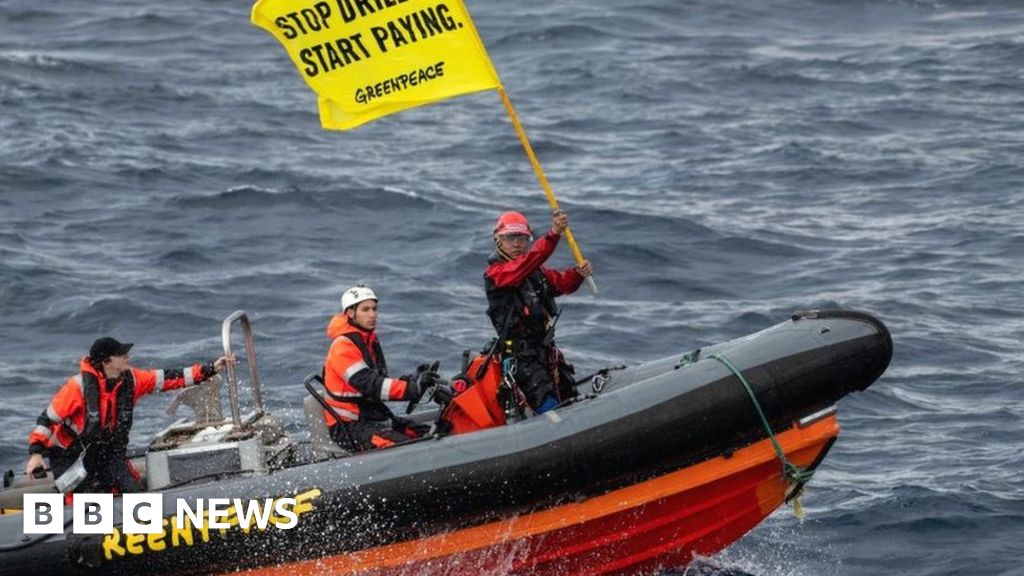
This study is part of Greenpeace's efforts to raise awareness about the impact of the oil industry on the environment and the economy. The organization advocates for a shift towards renewable energy sources and a reduction in reliance on fossil fuels, which are considered major contributors to climate change.
Impact & Consequences
These figures raise questions about how they will affect economic policies in European countries. If oil companies continue to achieve these massive profits, it could lead to political pressure to impose additional taxes on these earnings. Such conditions may also lead to increased public protests against rising fuel prices, potentially impacting social stability in many countries.
Furthermore, these profits may influence oil companies' investments in renewable energy projects. If companies are making substantial profits from fossil fuels, they may be less incentivized to invest in more sustainable alternatives, hindering efforts to transition to clean energy.
Regional Significance
For Arab countries, these figures reflect a complex reality. While some oil-producing nations benefit from rising prices, others suffer from the repercussions of ongoing conflicts. Additionally, rising oil prices may lead to increased revenues in some countries, but could exacerbate economic conditions in others that rely on oil imports.
Ultimately, this study highlights the importance of monitoring the oil industry's impact on the global economy, especially amidst increasing crises in the region. Governments and civil societies must work together to ensure that these profits serve sustainable development and improve citizens' lives.