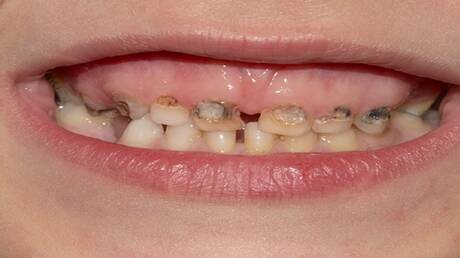
A recent Saudi study has shown that exposure to secondhand smoke has significant negative effects on children's oral health, increasing the risk of dental caries. The study confirmed that secondhand smoke weakens the protective properties of saliva, making children more susceptible to infections.
These findings are concerning, especially given the prevalence of smoking in many communities. Children are often exposed to secondhand smoke in homes or public places, adversely affecting their overall health and particularly their oral health.
Details of the Study
This study comes at a time when concerns about the impact of smoking on children's health are rising. Previous research has shown that secondhand smoke can lead to multiple health problems, including respiratory diseases and heart conditions. However, its impact on oral health has not been sufficiently focused on until now.
The study conducted by Saudi researchers included a sample of children exposed to secondhand smoke, measuring their levels of dental caries. The results showed that children living in environments with smokers were more likely to suffer from dental caries compared to their peers who were not exposed to smoking.
Background & Context
Secondhand smoke is an indirect exposure to tobacco smoke produced by someone else's smoking and is considered a major health risk. According to the World Health Organization, secondhand smoke causes the death of over 890,000 people annually worldwide, particularly affecting children who are still in their developmental stages.
In many Arab countries, the culture of smoking remains prevalent, increasing the risk of children being exposed to secondhand smoke. This study highlights the importance of raising awareness about the dangers of smoking and its effects on children's health, necessitating effective preventive measures.
Impact & Consequences
The implications of this study could be far-reaching, potentially leading to changes in health policies related to smoking. The findings may prompt health authorities to strengthen laws prohibiting smoking in public places and homes to protect children from the health risks associated with secondhand smoke.
These results could also influence health awareness programs, as they can be used to enhance messages directed at parents about the importance of protecting their children from secondhand smoke. Improving children's oral health can contribute to better overall health in the long term.
Regional Significance
In the Arab region, the issue of secondhand smoke is a significant health concern. Smoking rates are increasing in many countries, necessitating urgent action to protect children. The results of this study may inspire further research and studies in this area, contributing to improved health policies.
Moreover, raising awareness about the dangers of secondhand smoke can help change social behaviors towards smoking, leading to a healthier environment for children. Protecting children from secondhand smoke should be a priority in all communities.
In conclusion, this study underscores the importance of taking effective steps to protect children from secondhand smoke, as their health depends on a smoke-free, healthy environment. The entire community must work together to ensure a healthy future for children.