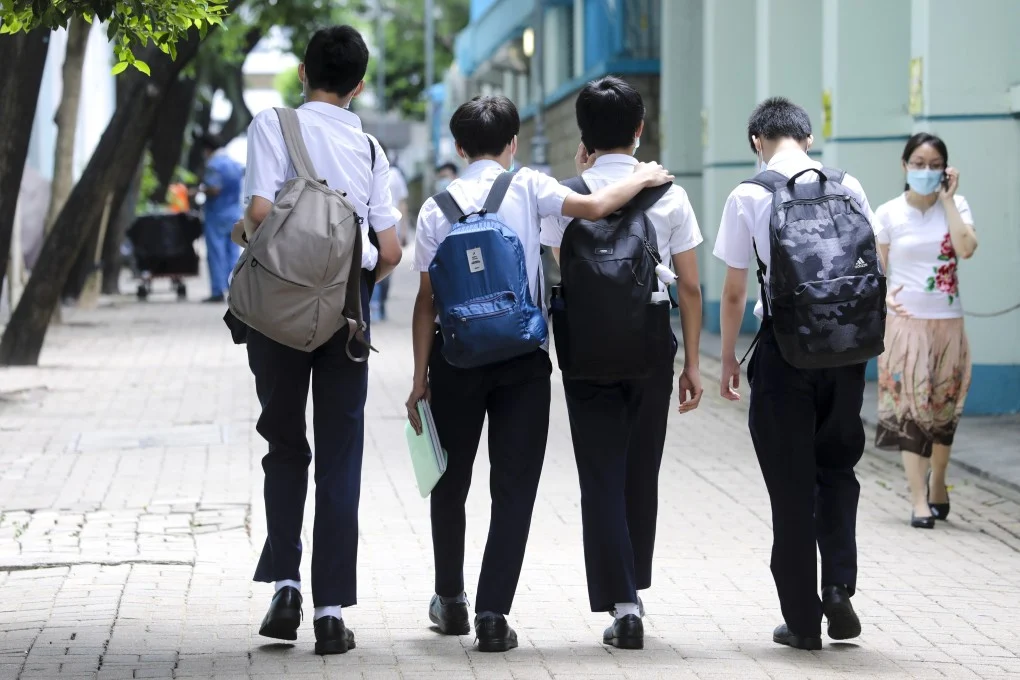
A new study conducted by the Christian Services Organization in Hong Kong has revealed that 8.4% of high school students are experiencing social disconnection, highlighting a hidden crisis affecting education in the city. The study, which included 1,958 students aged between 11 and 19, was carried out in February and March and aims to identify students who may be at risk of dropping out early.
The results show that 165 students among the participants are suffering from this issue, raising concerns about how this disconnection impacts their academic performance and mental health. The organization has urged for urgent steps to support these students, who are considered "invisible students."
Event Details
The study seeks to emphasize the importance of early identification of students facing social issues, as social disconnection can lead to negative repercussions on their academic future. Researchers noted that this phenomenon is not new but requires greater attention from schools and parents.
The study also includes recommendations for providing psychological and social support programs for students, as well as training teachers on how to recognize the early signs of social disconnection. Furthermore, it stresses the importance of creating an inclusive school environment that encourages social interaction among students.
Background & Context
Hong Kong is one of the most densely populated cities in the world, where students face significant academic and social pressures. Historically, the city has been known for its strict educational system, which may contribute to heightened stress levels among students. With increasing pressures, social disconnection has become a growing phenomenon, necessitating an immediate response from educational authorities.
It is noteworthy that many previous studies have documented rising cases of social disconnection worldwide, reflecting a global crisis that requires urgent attention. In Hong Kong, this issue may be more acute due to the high competitiveness of the educational system.
Impact & Consequences
Social disconnection can lead to negative effects on students' mental health, such as depression and anxiety, which in turn may reflect on their academic performance. If this issue is not addressed effectively, it could result in increased dropout rates, negatively impacting society as a whole.
Moreover, the lack of adequate support for these students may exacerbate other social problems, such as rising crime rates or delinquency. Therefore, addressing this issue is not solely the responsibility of schools but requires collaboration from all stakeholders, including families and civil society.
Regional Significance
The issue of social disconnection among students is also of particular importance in the Arab region, where many students face similar pressures. Amid economic and social challenges, students in Arab countries may suffer from comparable issues, necessitating effective strategies to address them.
Arab nations can benefit from the experiences and lessons learned from Hong Kong by developing psychological and social support programs for students and fostering inclusive educational environments that promote social interaction. Investing in students' mental and social health is an investment in the future of the nation.