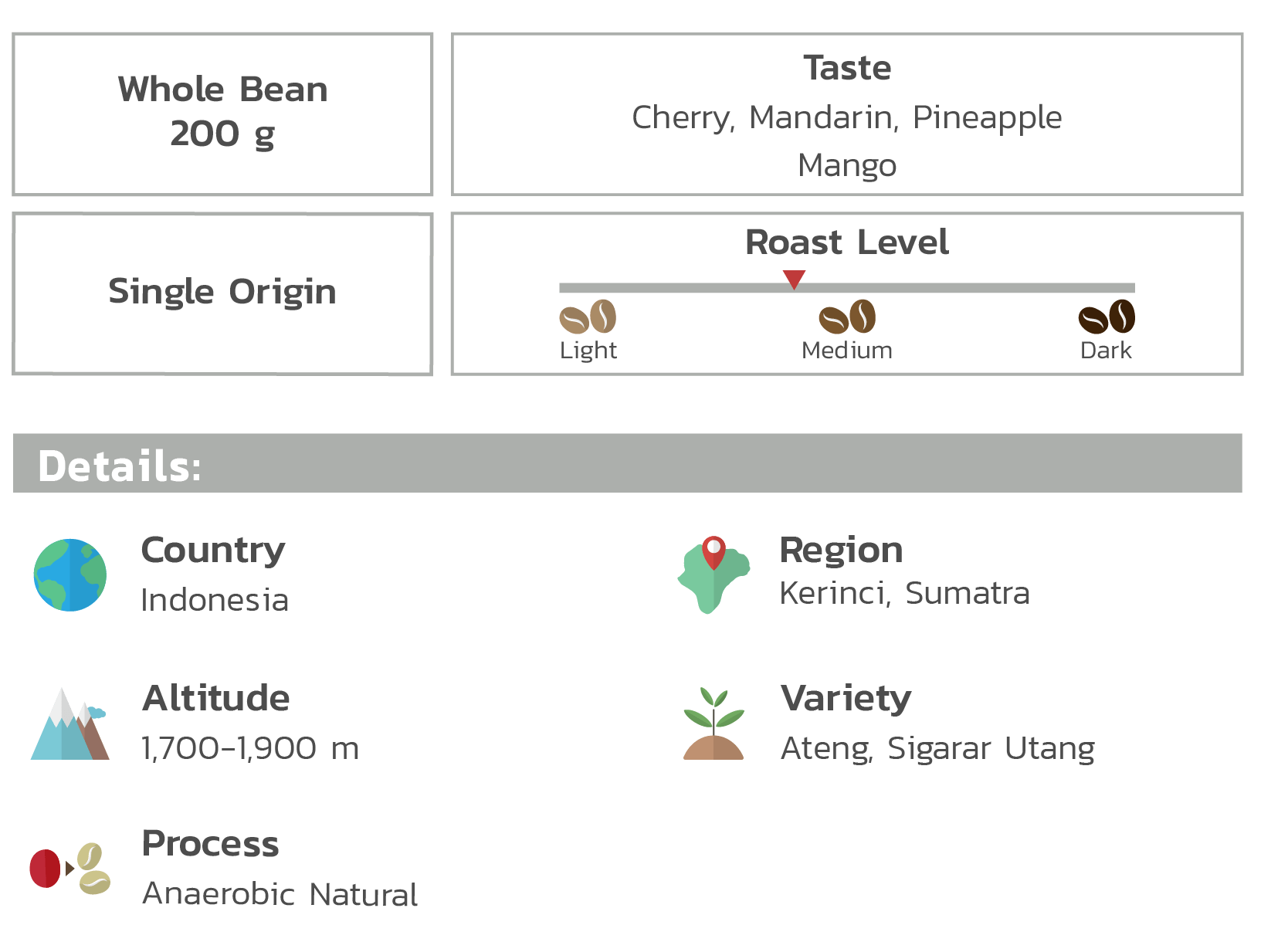
Koffi Alko from Kerinci, known for its strong and distinctive flavor, has successfully entered the Malaysian market, reflecting the success of Indonesian economic diplomacy. This achievement was announced during the "A Coffee & Artisan Collective" event held at the Isetan Center in Kuala Lumpur from March 30 to April 8, 2026.
The Indonesian Embassy in Kuala Lumpur collaborated with several entities, including Louisgin Roasters and the Isetan Center, to present Kerinci coffee to Malaysian consumers. Hendra P. Iskandar, the economic affairs coordinator at the embassy, confirmed that the entry of Kerinci coffee enhances the diversity of Indonesian coffee available in the Malaysian market, following other varieties such as Toraja coffee and Gayo coffee.
Event Details
The event was attended by several prominent figures, including Daisuke Yamai, the general manager of the Isetan Center in Kuala Lumpur, who expressed his happiness at the presence of Indonesian coffee in the Malaysian market. He also highlighted the importance of enhancing economic cooperation between Indonesia and Malaysia through the introduction of diverse Indonesian products.
On the other hand, Nielsen Lim, the founder of Louisgin Roasters, expressed his love for Indonesian coffee, praising its quality and flavor diversity. He affirmed that he will continue to support the promotion of Indonesian products by offering a variety of coffee-based beverages derived from Indonesian coffee.
Background & Context
Indonesia is one of the largest coffee producers in the world, boasting a significant diversity of types and agricultural regions. Kerinci coffee, which comes from the Kerinci Mountain region in West Java, is characterized by its unique flavor that attracts coffee enthusiasts. Historically, Indonesian coffee has been regarded as among the best in the world, contributing to the local economy by supporting farmers and cooperatives.
The Indonesian government aims to boost its coffee exports through innovative marketing strategies, reflecting the importance of the agricultural sector in the national economy. Additionally, the entry of Indonesian coffee into foreign markets enhances its status on the global stage.
Impact & Consequences
The success of Kerinci coffee in entering the Malaysian market is an important step towards strengthening economic relations between Indonesia and Malaysia. This collaboration demonstrates how economic diplomacy can contribute to opening new markets for Indonesian products, enhancing job opportunities, and improving the living standards of farmers.
The increasing demand for Indonesian coffee in Malaysia shows consumers' appreciation for the quality of Indonesian products, thereby enhancing Indonesia's reputation as a key coffee producer in the region. This success serves as a model for other countries seeking to boost their exports.
Regional Significance
Coffee is an essential part of Arab culture, used in social occasions and celebrations. The success of Kerinci coffee in Malaysia could inspire Arab countries to explore new opportunities in exporting their agricultural products, including coffee. Furthermore, enhancing cooperation between Arab countries and Indonesia in agriculture could contribute to improving food security and strengthening trade relations.
In conclusion, the entry of Kerinci coffee into the Malaysian market highlights the importance of international cooperation in enhancing the local economy and fosters opportunities for cultural and commercial exchange between nations.