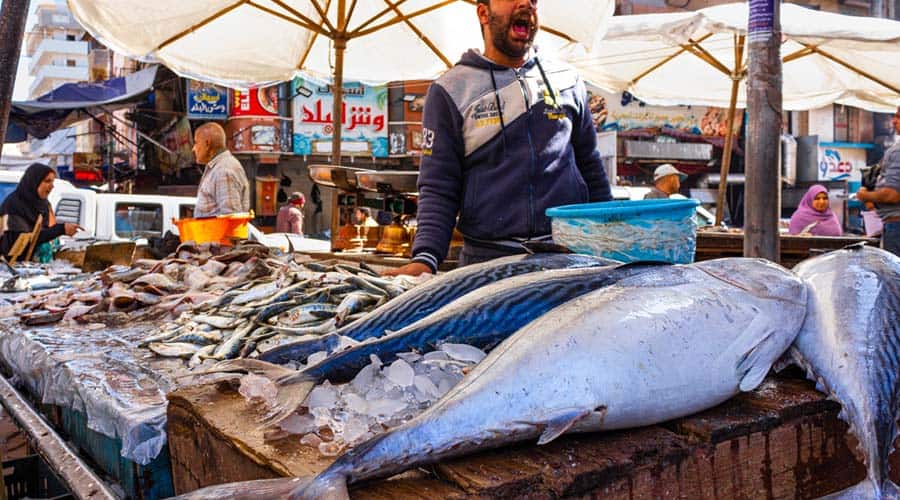
The Egyptian Ministry of Agriculture and Land Reclamation has announced a new achievement in the field of fish wealth, as mullet fish have been artificially bred for the first time in the city of Alexandria. This achievement is a significant step towards enhancing local fish production and reflects the Egyptian government's efforts to develop this vital sector.
Mullet fish are considered an important species in the Egyptian market due to their high quality and nutritional value. This project is part of a comprehensive plan aimed at increasing fish production and achieving self-sufficiency, especially in light of the challenges the country faces in food security.
Details of the Event
The breeding process was carried out in one of the modern fish farms in Alexandria, utilizing advanced techniques to ensure the success of the operation. Officials from the Ministry of Agriculture indicated that this step will contribute to increasing the quantities of fish available in the market, helping to meet citizens' needs and reducing reliance on imports.
It was also emphasized that the artificial breeding of mullet fish will create new job opportunities in the fields of fishing and aquaculture, thereby boosting the local economy and increasing the income of fishermen and farmers.
Background & Context
Egypt is one of the largest fish-producing countries in the region; however, the sector has faced numerous challenges in recent years, including water resource shortages and climate change. In this context, the government seeks to develop new technologies in aquaculture, including artificial breeding, to improve productivity.
Historically, mullet fish were raised traditionally, which limited production quantities. With technological advancements, it has become possible to use advanced scientific methods to improve production quality and increase available quantities.
Impact & Consequences
This achievement is expected to have a positive impact on the Egyptian market, as it will help reduce prices and increase the availability of fresh fish. Additionally, this project may open new horizons for export, enhancing Egypt's position in global markets.
Furthermore, the success of artificial breeding of mullet fish may encourage the implementation of similar projects for other fish species, contributing to diversifying fish production in the country.
Regional Significance
This achievement represents an important step not only for Egypt but for the Arab region as a whole, as the experience of artificial breeding could serve as a model for other countries facing fish resource shortages. This technology could contribute to enhancing food security in the region and providing new job opportunities.
Given the environmental and economic challenges faced by many Arab countries, developing the fish wealth sector is vital for achieving sustainable development.
The success of artificially breeding mullet fish in Alexandria represents an important step towards developing the fish wealth sector in Egypt and reflects the government's commitment to achieving self-sufficiency and enhancing food security. This achievement could open new horizons for a better future in fish production.