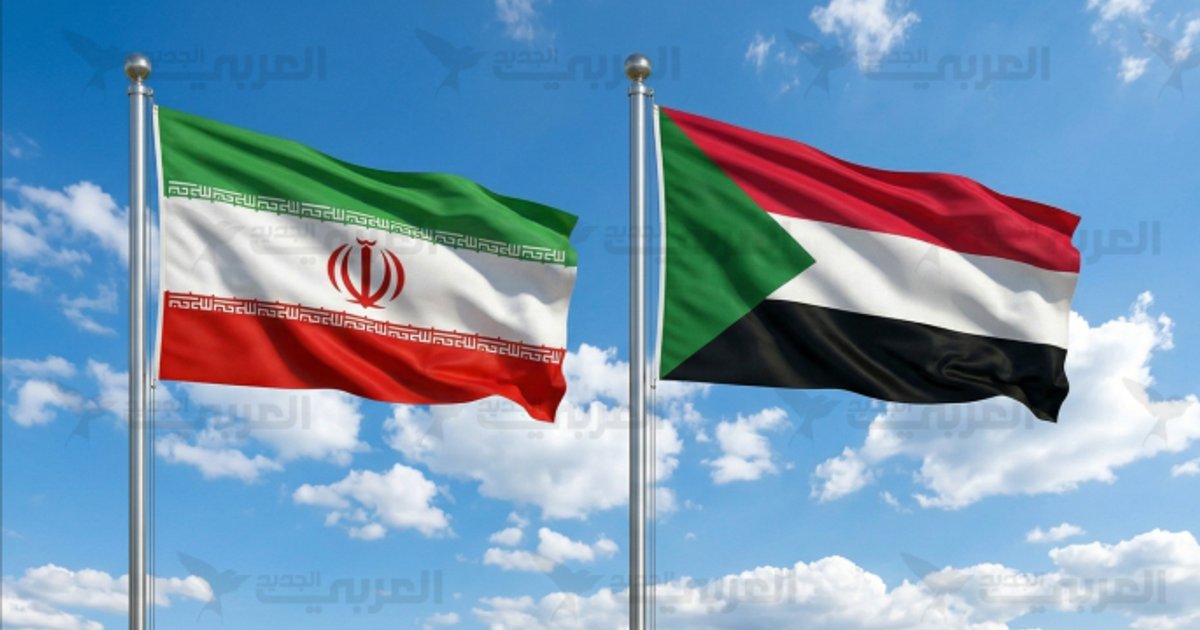
The "de facto government" in Sudan has condemned the Iranian attacks that targeted sites in the Gulf Arab states, emphasizing the need to maintain security and stability in the region. However, the statement from the Sudanese Ministry of Foreign Affairs raised questions regarding the exclusion of the UAE from this solidarity, reflecting the complex political tensions in the area.
This condemnation comes at a sensitive time, as the region is witnessing escalating tensions between Iran and Gulf states, increasing fears of a potential conflict amid the multiple crises affecting the countries in the region.
Details of the Incident
The Sudanese Ministry of Foreign Affairs issued an official statement condemning the attacks carried out by Iran on sites in Saudi Arabia, Bahrain, and Qatar. The statement stressed the necessity of respecting the sovereignty of nations and their right to defend themselves. However, it was striking that the UAE was excluded from this solidarity, raising questions about Sudan's stance on its relations with Abu Dhabi.
The UAE is considered one of the Gulf states with close ties to Sudan, having witnessed cooperation in various fields, including economics and security in recent years. Yet, its exclusion from the statement may reflect a shift in Sudan's position or perhaps an expression of reluctance to escalate tensions with a country that holds significant influence in the region.
Context and Background
Historically, relations between Iran and Gulf states have been marked by increasing tensions, particularly following the rise of Iranian military activities in the area. The recent attacks reflect Iran's strategy to expand its influence, raising concerns among Gulf countries that fear potential security threats.
In recent years, some Gulf states have attempted to rebuild relations with Iran; however, the latest attacks could reset the situation to square one, complicating the political landscape in the region further.
Impact and Consequences
The repercussions of these events extend beyond Sudan and Iran, potentially leading to heightened tensions in the region as a whole. These incidents are likely to affect relations among Gulf states, possibly prompting some to enhance security cooperation to counter Iranian threats.
Moreover, the exclusion of the UAE from the Sudanese statement may raise questions about the future of bilateral relations and could lead to a reassessment of foreign policies for both Sudan and the UAE amid these shifting circumstances.
Significance for the Arab Region
These events are part of a larger picture reflecting ongoing conflicts in the Middle East. Amid multiple crises, it is crucial for Arab nations to remain united in addressing security challenges. Iranian attacks could drive Arab countries to strengthen cooperation among themselves, particularly in security and defense sectors.
In conclusion, the situations in Sudan, Iran, and the Gulf remain under scrutiny, as the political and economic developments in the region require careful monitoring by all concerned parties.