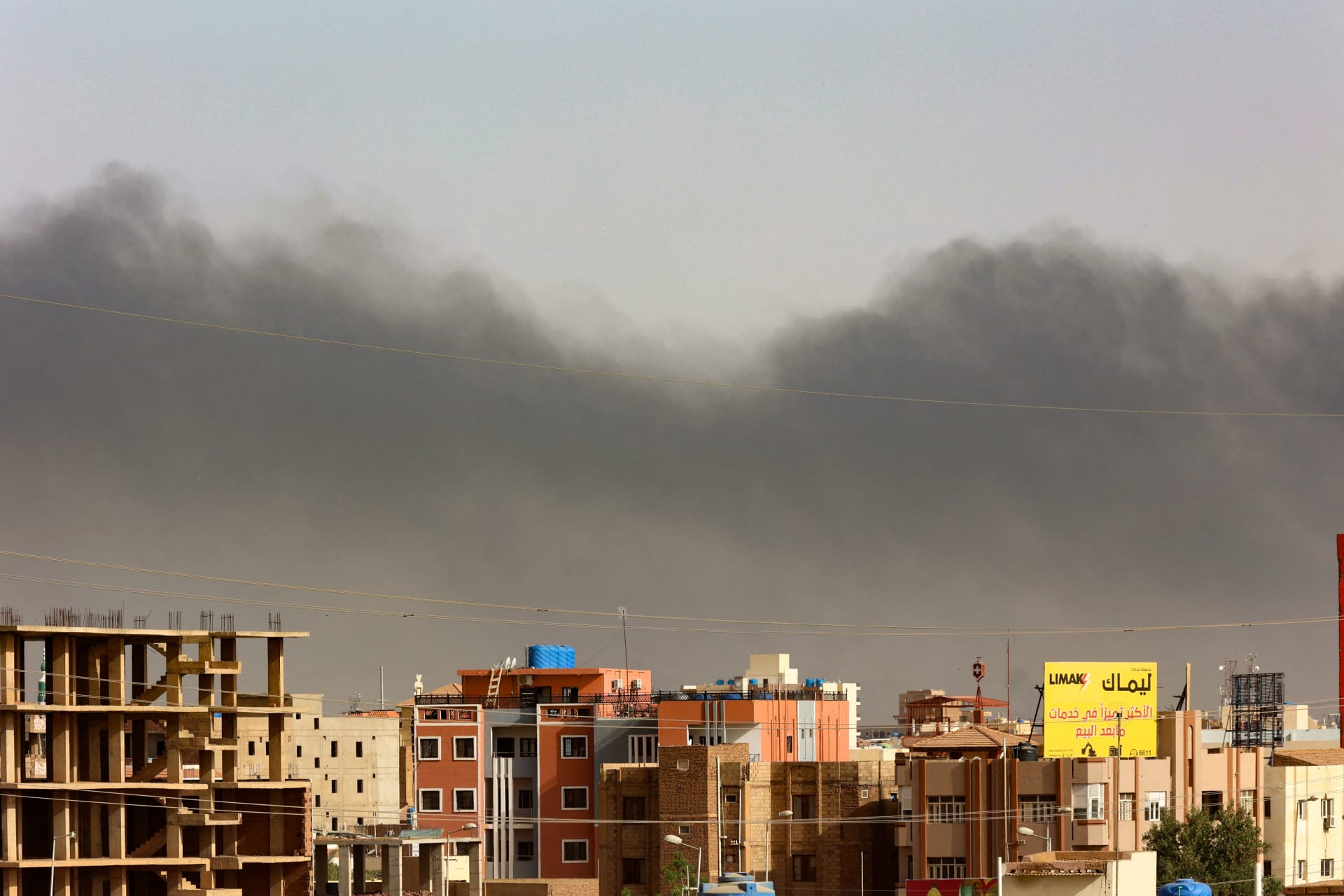
sudanese forces led by abdul aziz al-halou announced on sunday the complete takeover of the strategic city of karmak, located 136 kilometers from damazin, the capital of the blue nile state. karmak is a vital point in the ongoing conflict in sudan, as it plays a crucial role in controlling resources and strategic routes.
the takeover comes at a sensitive time, as sudan is experiencing increasing political and security tensions. reports indicate that this move has strengthened the position of sudanese forces and the popular movement in the ongoing conflict, further complicating the situation in the country.
event details
sudanese forces were able to achieve this milestone after intense battles with government forces. local sources reported that the fighting was fierce, with both sides using heavy weaponry. the control of karmak also means control of supply lines and resources, which could significantly impact the conflict dynamics in the region.
karmak is a strategic center due to its geographical location, where major transportation routes intersect. it is also close to the ethiopian border, making it a potential launchpad for military operations or cross-border attacks.
background and context
sudan has witnessed a surge in armed conflicts in recent years, particularly after the outbreak of conflict between the sudanese armed forces and sudanese rapid support forces. these conflicts have their roots in a long history of political and social tensions in the country, which intensified after south sudan's secession in 2011.
the popular movement in the north was founded in 2011 and is one of the main factions fighting against the sudanese government. the sudanese rapid support forces were formed in 2013 and have emerged as a significant military force in the country. the conflict between these factions reflects the deep divisions within sudanese society and has a significant impact on regional stability.
impact and consequences
the control of karmak is a strategic move that could alter the balance of power in the sudanese conflict. this development may encourage other factions to take similar steps, potentially escalating the conflict in other parts of the country.
in addition, these developments could have a negative impact on the humanitarian situation in the region. karmak and its surroundings have witnessed a significant influx of displaced persons due to the fighting, increasing the need for humanitarian aid. the control of resources could also exacerbate humanitarian crises in the region.
regional significance
the events in sudan have significant implications for the arab region, as sudan's stability affects neighboring countries, particularly egypt and ethiopia. the conflict in sudan could lead to a influx of refugees into neighboring countries, increasing pressure on these countries.
the control of karmak could also strengthen the popular movement in the north, potentially impacting relations between sudan and ethiopia. in light of ongoing tensions over the grand ethiopian renaissance dam, these developments could have implications for future negotiations between the three countries.
in conclusion, karmak remains a critical point in the sudanese conflict, and its control could reshape the country's political and military landscape. the current situation requires international attention, as sudan's stability is key to regional stability as a whole.