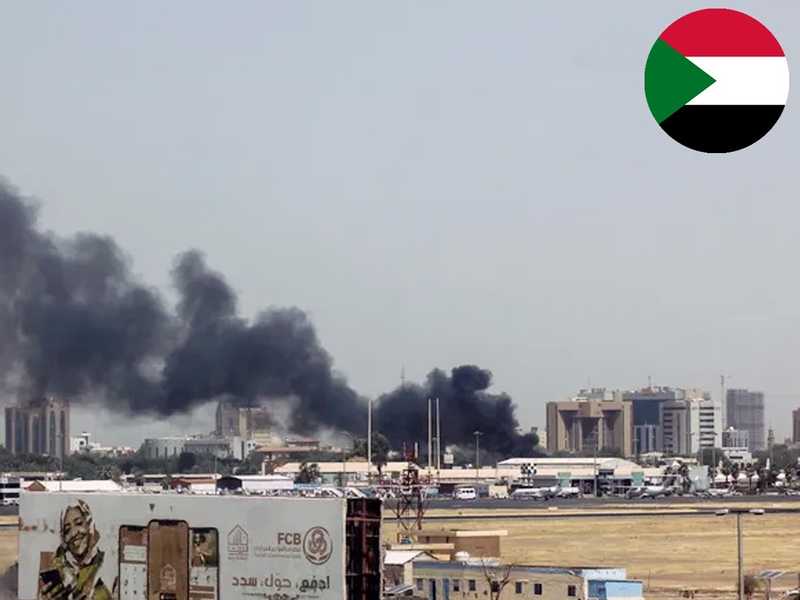
The death toll from the Sudanese army's bombing of Dhiain Hospital in East Darfur has risen to 64. Among the victims, reports indicate that 13 children and 15 women were killed, in addition to several healthcare workers who were providing care to the injured.
This attack comes amid a sharp escalation in the armed conflict in Sudan, which erupted in April 2023, as Sudanese army forces clash with Rapid Support Forces. This conflict has led to a dire humanitarian crisis, destroying many health facilities and leaving thousands of civilians without medical care.
The targeted hospital is one of the few remaining medical facilities in the Dhiain area, treating thousands of injured individuals due to the ongoing conflict. Military reinforcements and aerial attacks launched by the Sudanese armed forces have heightened anxiety and fear in the region.
The international community has widely condemned this attack, with many human rights organizations describing it as an act that warrants accountability. The United Nations has called on Sudanese authorities to halt systematic violations and to conduct urgent investigations into this incident.
The historical context of events in Sudan indicates that the internal conflict has deep-rooted origins, extending beyond recent years. Political and economic tribal disputes in the region have exacerbated humanitarian conditions, sometimes using health facilities as military targets in blatant violations of international law.
The repercussions of the recent attack could be severe, as the region is likely to witness further violence, worsening humanitarian conditions. Attacks on hospitals hinder humanitarian efforts and leave thousands of civilians suffering from a lack of essential medical care.
The news highlights the importance of enhancing international efforts to support civilians affected by the conflict in Sudan. It underscores the need for Arab countries and the international community to work together to ensure humanitarian aid and safeguard human rights, including the rights of patients and healthcare workers.
As events escalate in Sudan, observers note that the region as a whole continues to face instability. Attacks on hospitals serve as a reminder of the importance of protecting health facilities during conflicts and raise questions about how countries can support a return to peace and stability in the region.
The impact of events in Sudan is not limited to the local situation; it extends to the entire Arab region, as attention turns towards finding lasting solutions to end the conflict and ensure that the tragedy of civilians, primarily exposed to the risk of violence, does not continue.