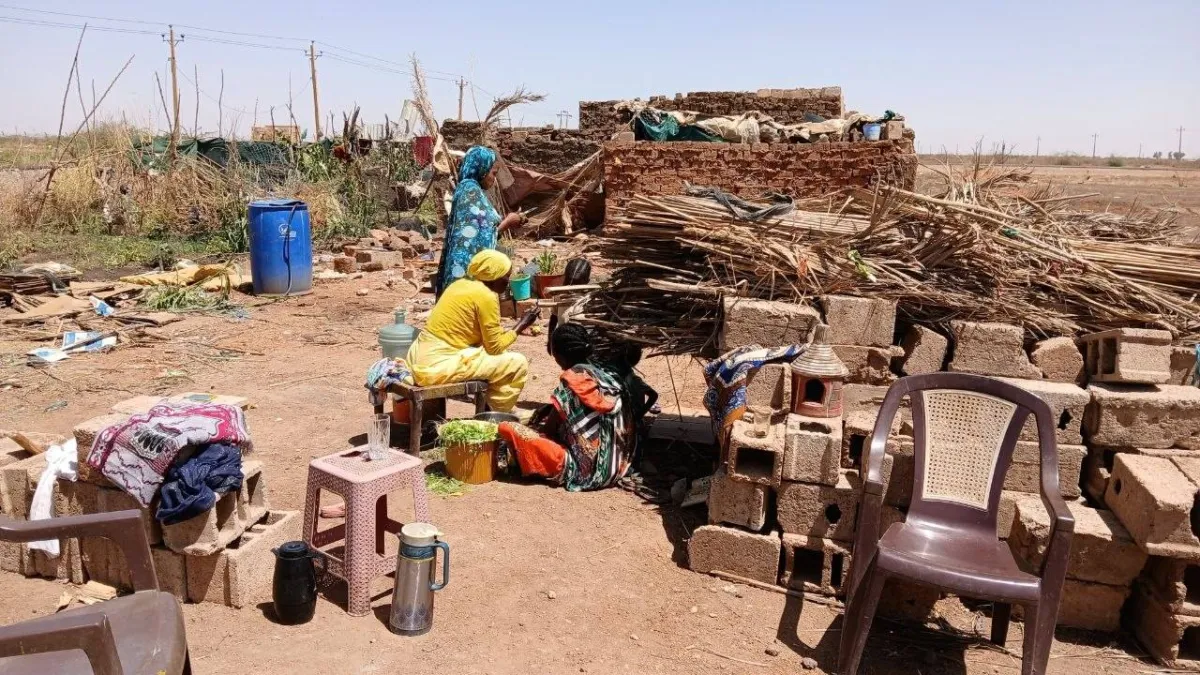
Residents of the Um Al-Qura area north of block (3) in Khartoum Bahri awoke last Thursday to the sounds of demolition machinery that suddenly removed around 83 homes. This action has generated a state of fear and anxiety among the residents, especially given the exceptional circumstances the country is experiencing due to the ongoing war.
The residents received warnings for the demolition of an additional 191 homes, which heightened the tension in the area. In an interview with "Asharq Al-Awsat," the lawyer for the affected residents, Mohamed Ali, confirmed that the demolition orders are illegal, noting that the residents possess contracts and possession certificates issued by the local authority in Al-Kadur, proving their ownership of the land.
Details of the Incident
Mohamed Ali described the situation as unjust, explaining that the residents had already begun procedures to regularize their status with the land office. He indicated that the relevant authorities deny any knowledge of the demolitions and that the necessary legal procedures were not followed.
On the other hand, Mohamed Adam, a 55-year-old resident, expressed his suffering after his home was demolished, stating: "I suffer from malaria, and our home was demolished over our heads, forcing us to live in the open. We are severely affected by the scorching sun, in addition to a severe shortage of food and water."
Background & Context
The issue of informal housing in Khartoum is one of the most significant challenges facing the government, intersecting with the economic and security situations in the country. In recent years, the Sudanese capital has witnessed a noticeable increase in population, exacerbating the problem of informal housing.
Historically, informal areas have represented a refuge for many poor families, but with the escalation of conflicts and wars, pressures on these communities have increased. Under the current circumstances, residents face significant challenges in maintaining their housing rights.
Impact & Consequences
Reports indicate that the demolition operations could worsen the humanitarian situation in the area, where many families live under harsh conditions. Residents express their concerns about losing their homes and resources, which increases their suffering under the current circumstances.
In this context, Abdullah Mohamed Idris, a resident, confirmed that the residents are not against planning and organization, but they demand to know the reasons that led to the demolition of their homes. He pointed out that the demolition decision was based on the existence of informal settlements, which does not apply to them.
Regional Significance
These events serve as an indicator of the deteriorating conditions in Sudan, where humanitarian and economic challenges are on the rise. The situation in Khartoum reflects the ongoing tensions in many Arab countries suffering from conflicts and wars.
In light of these circumstances, urgent intervention from the relevant authorities and humanitarian organizations is required to establish more just and sustainable solutions, ensuring the rights of residents and improving their living conditions.