On Monday, Sudanese citizens commemorated April 6, a pivotal date in their modern history. On this day in 1985, the Sudanese people successfully overthrew the regime of Jaafar Nimeiri in a popular revolution, while April 6, 2019, marked the beginning of their sit-in that led to the ousting of Omar al-Bashir just days later.
However, this year's celebration was muted, similar to the past two years, amidst the ongoing fierce war between the army and the Rapid Support Forces, which is entering its fourth year in a few days. Celebrants seized this occasion to call for an end to what many have described as a "senseless" war and to demand the revival of the revolution's slogans, which include "Freedom, Peace, Justice."
Details of the Event
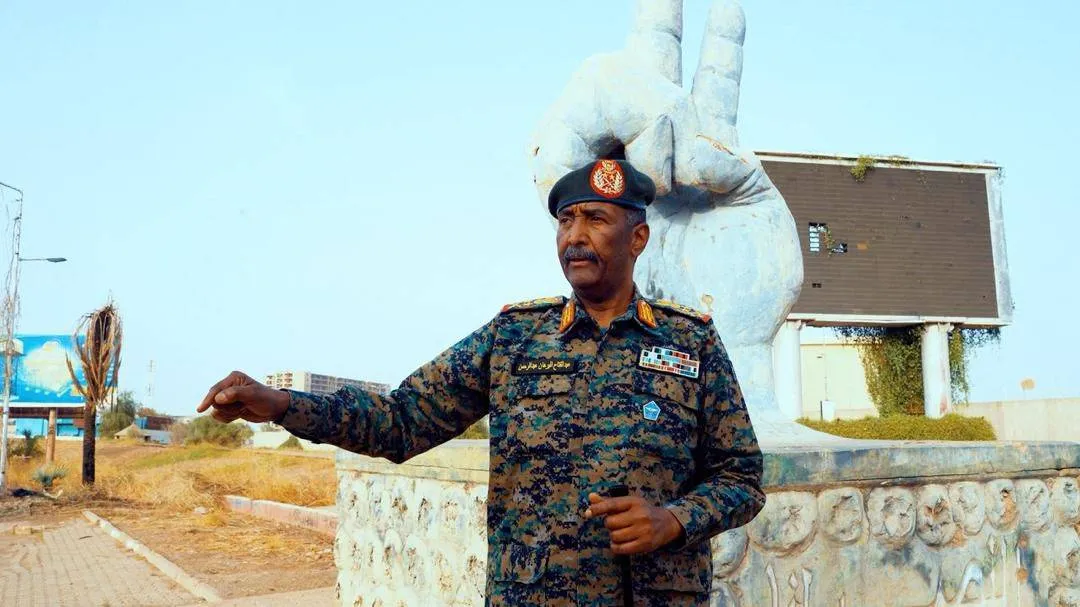
The chants of "The people are stronger, and regression is impossible" dominated this year's celebrations, as demonstrators demanded an end to the war under the slogan: "With the determination of December and the steadfastness of April, we will extinguish the fires of war." In the sit-in square, army chief and head of the Transitional Sovereignty Council, Abdel Fattah al-Burhan, spoke about the significance of April 6 and its symbolism, noting the armed forces' alignment with the will of the people.
Al-Burhan emphasized that the Sudanese people do not accept humiliation or degradation, and that the slogan "One Army, One People" is not just words, but a reality manifested in its highest form during the Battle of Dignity. He also reiterated that the armed forces are committed to completing the construction process that began in 1985-2019 and are dedicated to the democratic transition in which the people determine their destiny.
Background & Context
On this day seven years ago, thousands of protesters gathered near the Sudanese army's general command demanding the resignation of President Omar al-Bashir. These protests were met with strict security measures, leading to the deaths of dozens of protesters in nighttime assaults by security forces on their gatherings. These protests culminated in the army's ousting of al-Bashir on April 11, 2019, after five days of continuous demonstrations.
Subsequently, the demonstrators decided to extend the sit-in after the army announced al-Bashir's resignation, demanding a transfer of power to civilians. However, after about 58 days of sit-in, security forces under the supervision of the military council violently dispersed the sit-in, resulting in the deaths of hundreds of peaceful protesters.
Impact & Consequences
The Democratic Doctors' Gathering, one of the components of the revolution, described the April anniversary as an expression of "a will unbroken by the years," indicating that this anniversary renews the spirit of bravery. The doctors pledged to stand by the Sudanese people for justice, commit to the path of civil democratic transition, and eradicate the empowerment of the Muslim Brotherhood from state institutions.
On the other hand, the Old Omdurman Resistance Committees Coordination emphasized the importance of working towards a democratic future for the Sudanese people, without allowing a return to military rule. The Umma Party condemned the current war, calling for the rejection of hate speech and violence, and for national solidarity to reclaim the state from the clutches of chaos.
Regional Significance
The April 6 anniversary remains a symbol of resilience and defiance against authoritarian regimes, reflecting the aspirations of Arab peoples for freedom and democracy. The ongoing conflict in Sudan affects stability in the region and highlights the challenges faced by Arab countries in their pursuit of social justice and democracy.
In conclusion, the April 6 anniversary serves as a lesson in the power of popular will, reaffirming that peoples are capable of changing their destinies despite the challenges and difficulties they face.