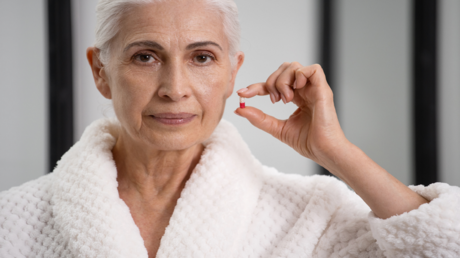
Longevity and anti-aging supplements are increasingly prevalent in the market, promoted as solutions to enhance energy and maintain health. However, recent research indicates that these supplements may carry health risks, including promoting cancer growth and reducing the effectiveness of medical treatments.
These supplements are part of a global trend toward improving quality of life and delaying the signs of aging. Nevertheless, studies conducted on some of these supplements, such as nicotinamide and resveratrol, have shown concerning results. Research has indicated that these substances may stimulate tumor growth in certain cases, raising questions about their safety.
Event Details
The popularity of longevity supplements is rising worldwide, as many seek additional health benefits. However, new studies conducted on animals and humans suggest that these supplements may adversely affect the effectiveness of cancer treatments. For instance, some research has shown that taking certain supplements may reduce the body’s response to chemotherapy.
This is particularly concerning given the increasing number of cancer patients globally. Many individuals consuming these supplements believe they are improving their health, while they may actually be exposing themselves to greater risks.
Background & Context
Historically, longevity supplements have been a topic of controversy. They have been promoted as a means to enhance overall health and delay aging. However, scientific research regarding their long-term effects remains insufficient. In recent years, concerns regarding the safety of these supplements have increased, especially following studies indicating their potential negative effects.
Reports suggest that many people take longevity supplements without medical consultation, increasing their risk of health issues. This highlights the urgent need for awareness regarding the potential risks associated with these supplements.
Impact & Consequences
If research continues to demonstrate that longevity supplements promote cancer growth, health authorities may need to reassess their recommendations regarding these products. This could lead to changes in how these supplements are regulated, and possibly even restrictions on their sale.
Moreover, these findings may impact the dietary supplement industry as a whole, as demand for these products could decline if consumers become aware of the potential risks. This could negatively affect companies that rely on this market.
Regional Significance
In the Arab region, where the aging population is increasing, longevity supplements may have a significant impact. Many individuals in Arab countries are turning to these supplements as part of their healthy lifestyle. However, there should be awareness campaigns regarding the potential risks associated with them.
This issue is particularly important given the rising number of cancer patients in the region, necessitating that governments and health authorities take steps to ensure consumer safety.
In conclusion, individuals should exercise caution when using longevity supplements and ensure they consult with doctors before starting any regimen. Awareness of potential risks can help avoid negative health consequences.