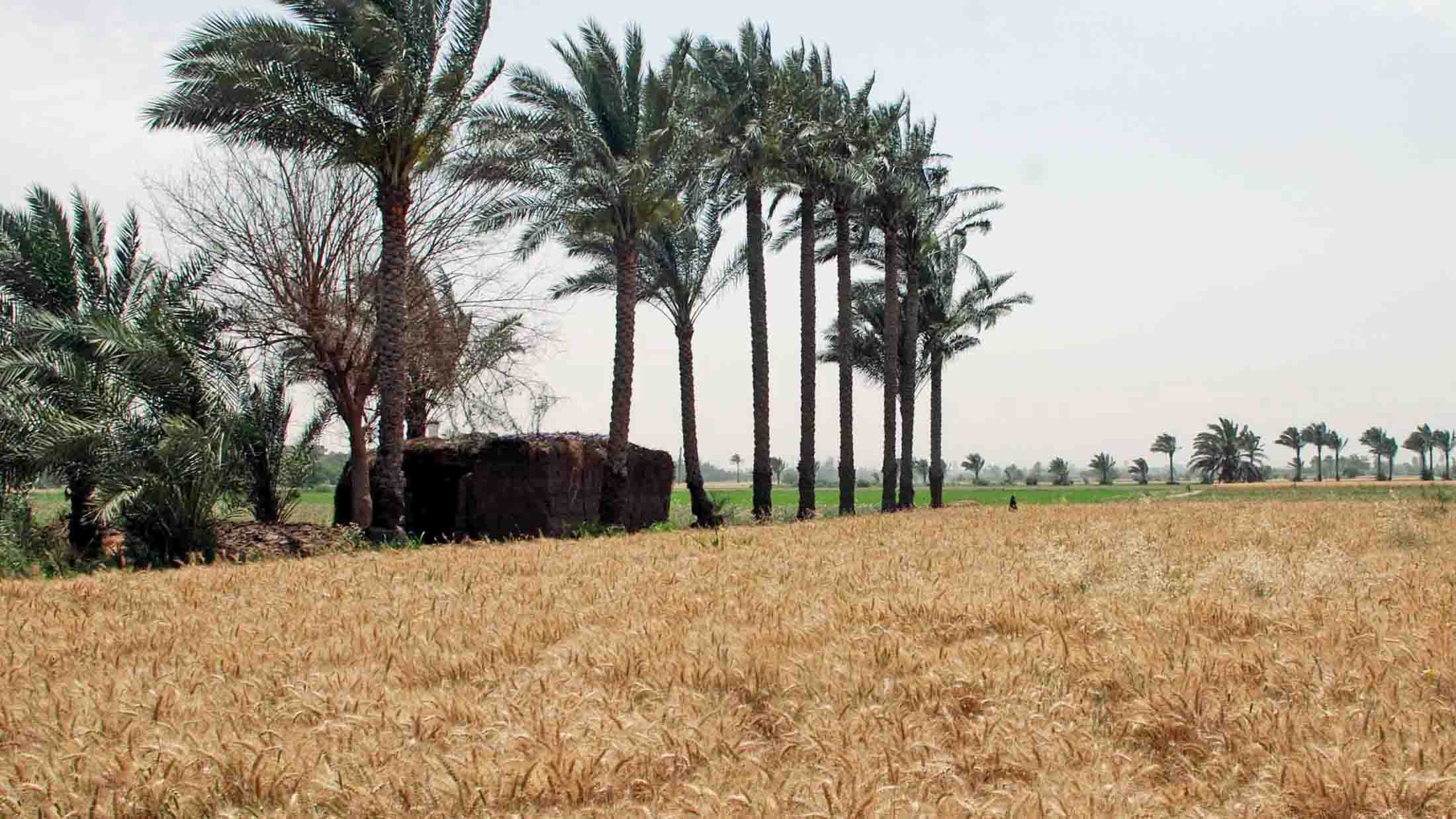
The New Valley Governorate in Egypt witnessed the first day of the wheat supply season, where a total of 95 tons of the crop were delivered. This initiative is part of the government's efforts to enhance food security and achieve self-sufficiency amid global economic challenges.
The Ministry of Agriculture aims to increase local wheat production, as these crops are essential for securing the needs of the local market. Wheat is considered a strategic crop that plays a significant role in food security, making it crucial to enhance its cultivation and supply.
Event Details
Wheat supply operations in the New Valley began under the supervision of the Ministry of Agriculture, with supply centers prepared to receive the crop from farmers. All necessary resources were provided to facilitate the supply process, including equipment and human resources.
This step comes at a sensitive time, as farmers strive to achieve the best possible productivity amid changing climatic conditions. Farmers expressed their satisfaction with the facilities provided by the government, reflecting the state's commitment to supporting the agricultural sector.
Background & Context
Historically, wheat has been one of the essential crops relied upon by the Egyptian economy. In recent years, there have been increasing efforts from the government to enhance local production and reduce dependence on imports. These efforts align with Egypt's Vision 2030, which aims to achieve self-sufficiency in various fields, including agriculture.
In past years, Egypt has been one of the largest wheat importers in the world, prompting it to strive to improve local production. Climate change and global economic crises have pushed the government to take serious steps to enhance local agriculture.
Impact & Consequences
The success of the wheat supply season in the New Valley is a positive indicator of Egypt's ability to achieve self-sufficiency. This success may encourage more farmers to cultivate wheat, thereby boosting local production and reducing reliance on imports.
If the government continues to support farmers and provide necessary facilities, we may witness a significant transformation in the Egyptian agricultural sector. This could lead to improved economic conditions for farmers and increased income, contributing to better living standards in rural areas.
Regional Significance
The New Valley experience serves as a model for other Arab countries facing food security challenges. Neighboring countries may benefit from Egyptian experiences in enhancing wheat cultivation and achieving self-sufficiency.
In light of global economic crises, enhancing local production of strategic crops becomes essential. These experiences can contribute to improving food security across the Arab region, thereby enhancing economic and social stability.
In conclusion, the supply of 95 tons of wheat in the New Valley marks a promising start to a successful agricultural season. If these efforts continue, we may witness a positive transformation in the Egyptian agricultural sector, which will reflect positively on the national economy.