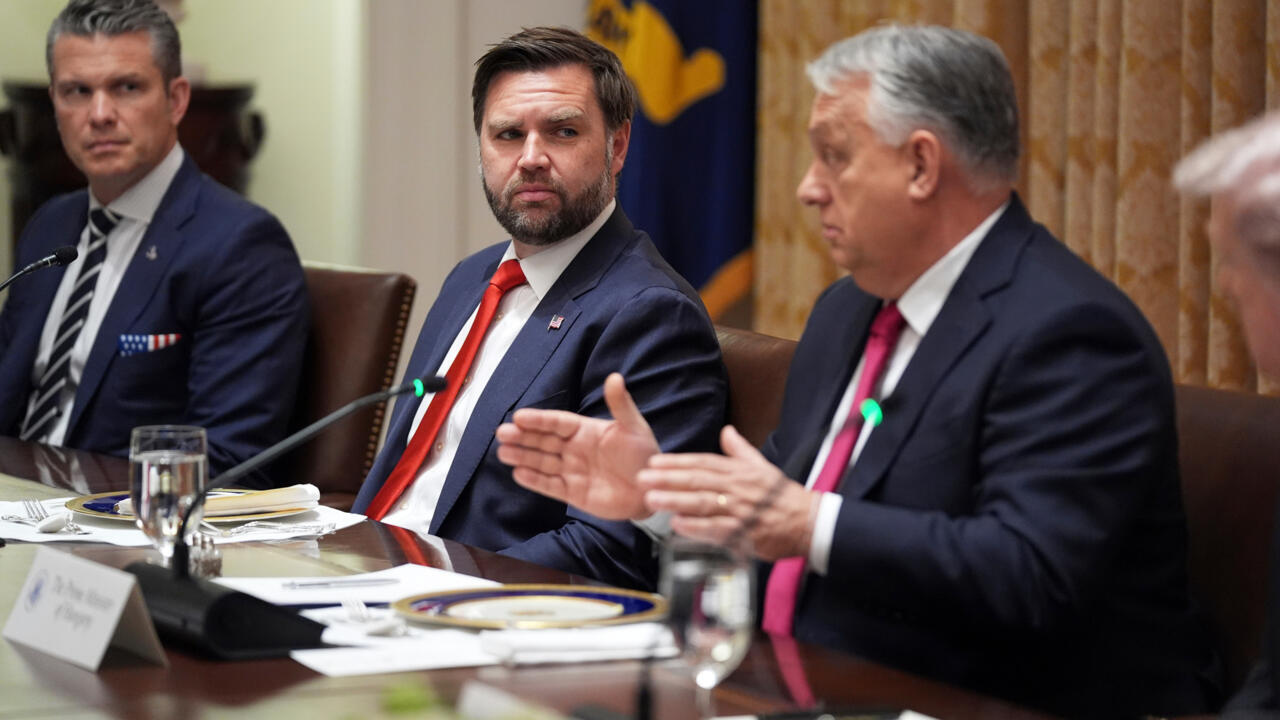
U.S. Vice President Jay D. Vance arrived in Hungary on Monday evening, aiming to bolster support from Donald Trump for his ally, nationalist Prime Minister Viktor Orbán. This visit comes at a crucial moment as the Hungarian parliamentary elections are set for next Sunday, which are expected to witness fierce competition.
Before departing from Andrews Air Force Base near Washington, Vance told the press that he intends to discuss a range of important issues with Orbán, including the situation in Europe and the Ukraine crisis. He expressed enthusiasm for meeting Orbán and exchanging views on shared concerns.
Details of the Visit
Vance's visit coincides with a charged electoral atmosphere in Hungary, where Orbán seeks to consolidate his power in the face of increasing opposition. The discussions between the two sides are expected to cover ways to enhance cooperation between the United States and Hungary across various fields.
This visit also reflects American political trends in supporting allies in Europe, particularly amidst rising tensions in the region.
Background & Context
Vance's visit is part of the Trump administration's efforts to strengthen relations with nationalist governments in Europe that adopt policies similar to those of the U.S. administration. Hungary has experienced significant political changes in recent years, making it a focal point for U.S. foreign policy.
The growing interest in Hungary stems from its alignment with certain American values and policies, which have drawn attention from U.S. officials.
Impact & Consequences
Vance's visit could significantly influence the outcomes of the upcoming elections in Hungary, as Orbán seeks to leverage American support to strengthen his position with voters. This visit may also reflect new trends in U.S. foreign policy towards Eastern Europe.
Furthermore, the implications of this visit extend beyond Hungary, potentially affecting U.S. relations with other countries in the region that share similar political ideologies.
Regional Significance
This visit highlights the importance of U.S.-Hungarian relations and their impact on European politics. As tensions rise in the region, the U.S. commitment to supporting its allies becomes increasingly significant.
In conclusion, Vance's visit underscores the strategic partnership between the U.S. and Hungary, which may play a crucial role in shaping the political landscape in Europe.