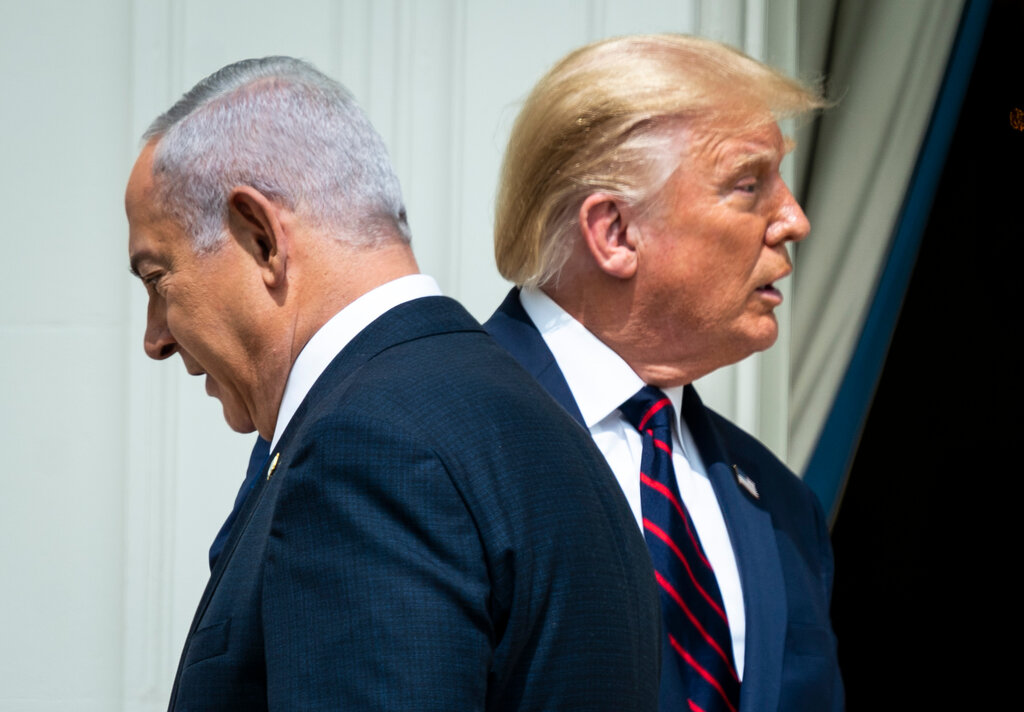
Israeli Prime Minister Benjamin Netanyahu announced his support today for U.S. President Donald Trump's decision to suspend attacks on Iran for a period of two weeks. However, Netanyahu emphasized that the ceasefire does not include Lebanon, which raises fears of a potential escalation in the region.
In a statement from his office, Netanyahu clarified that Israel supports Trump's decision on the condition that Iran opens the Strait of Hormuz and halts its attacks. He also reaffirmed Israel's support for U.S. efforts to prevent Iran from acquiring nuclear weapons, stressing the necessity for Iran not to pose a threat to the U.S., Israel, or Gulf states.
Details of the Announcement
Netanyahu's remarks came after Washington announced the suspension of attacks on Iran as part of efforts aimed at de-escalating the conflict and allowing room for negotiations. Meanwhile, Pakistan's Prime Minister Shahbaz Sharif, who played a role in reaching the agreement, announced via X platform that the deal includes a halt to the Israeli campaign in Lebanon.
Sharif indicated that the Islamic Republic of Iran and the United States have agreed to an immediate ceasefire in all areas, including Lebanon. He also announced that Islamabad will host delegations from both countries next Friday for negotiations aimed at reaching a final agreement.
Background & Context
These developments come at a time when tensions are escalating between Iran and Israel, with the latter and the U.S. waging war against Iran since February 28. This conflict has resulted in thousands of casualties, including high-profile assassinations such as that of Supreme Leader Ali Khamenei.
In response to Israeli attacks, Iran has launched missiles and drones towards Israel, targeting what it describes as "U.S. bases and interests" in Arab countries, resulting in casualties and damage to civilian infrastructure.
Impact & Consequences
The proposed ceasefire could help ease tensions in the region, but it raises questions about the fate of Lebanon, which is seen as a potential flashpoint in the conflict. Any agreement reached may affect regional balances and reshape relationships between the involved countries.
The upcoming negotiations in Islamabad represent a significant step towards achieving sustainable peace, but their success depends on the parties' ability to overcome past disagreements and commit to the agreements.
Regional Significance
This development holds great importance for Arab countries, as any escalation in the conflict could impact security and stability in the region. Furthermore, successful negotiations may pave the way for greater cooperation between Arab nations and Iran, contributing to regional stability.
In conclusion, the future of the conflict in the region hangs in the balance, contingent on the outcomes of the upcoming negotiations and the parties' ability to reach a lasting agreement that ensures peace and security for all.