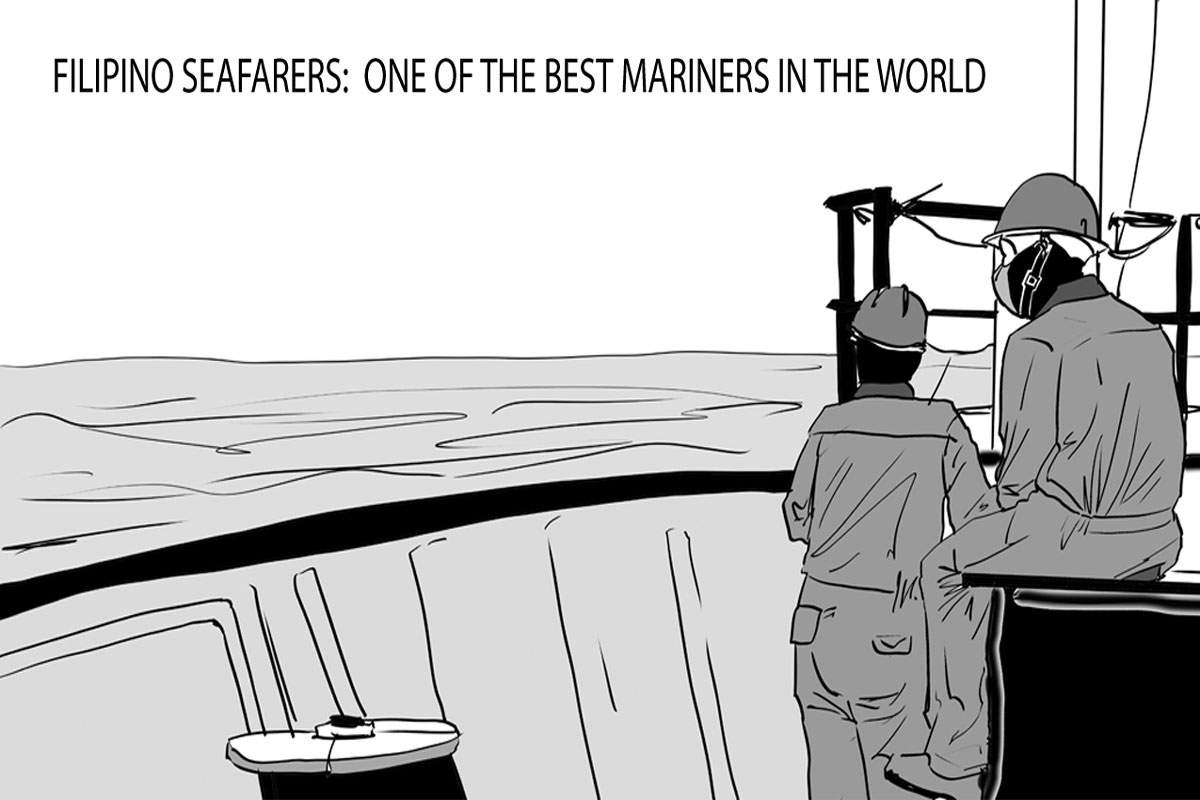
As the Middle East experiences rapid changes, Filipino sailors are looking for support and assistance to face the challenges impacting their professional lives. The risks they encounter are increasing due to the volatile political and economic situations in the region.
The Philippines is one of the largest exporters of maritime labor in the world, with thousands of Filipinos working on commercial and oil vessels. With rising tensions in some Arab countries, it has become essential to provide the necessary support to these workers to ensure their safety and the continuity of their employment.
Details of the Situation
Reports indicate that many Filipino sailors are struggling to return home or obtain necessary assistance in case of emergencies. Officials from the Philippine government have stated that they are working on emergency plans to help these sailors, including establishing direct communication channels with embassies and consulates.
Awareness campaigns have also been launched for sailors on how to act in emergencies, including how to communicate with local authorities in the countries where they work. These steps aim to enhance the level of safety and awareness among Filipino sailors under the current circumstances.
Background & Context
Historically, the Philippines has played a significant role in the global maritime labor market, with Filipino sailors contributing substantially to the global economy. However, political and economic crises in the Middle East directly affect these workers, placing them in challenging situations that require swift intervention.
In recent years, the region has witnessed numerous armed conflicts and political tensions, leading to increased risks faced by sailors. These conditions have impacted their ability to work peacefully and safely, necessitating effective strategies to protect them.
Impact & Consequences
The repercussions of the current situation extend beyond just Filipino sailors; they also significantly affect the Philippine economy as a whole. With an increasing number of sailors facing difficulties, the flow of remittances, which the Philippine economy heavily relies on, may be severely impacted.
Moreover, the inability to ensure the safety of sailors could lead to lost job opportunities in the future, negatively affecting the Filipino community that heavily depends on this industry. Therefore, the Philippine government is called upon to take swift and effective actions to protect its citizens abroad.
Regional Significance
The Middle East is a vital hub for maritime trade, with many global shipping routes passing through it. Thus, any tension or crisis in this region directly affects global trade and the economy.
The presence of a large number of Filipino sailors in the region reflects the economic and social ties between the Philippines and Arab countries. Therefore, supporting these sailors is not only a humanitarian duty but also an investment in future economic relations between both sides.
In light of the changing circumstances in the Middle East, supporting Filipino sailors becomes crucial to ensure their safety and the continuity of their work. This requires concerted efforts between governments and relevant bodies to guarantee the necessary protection for these workers.