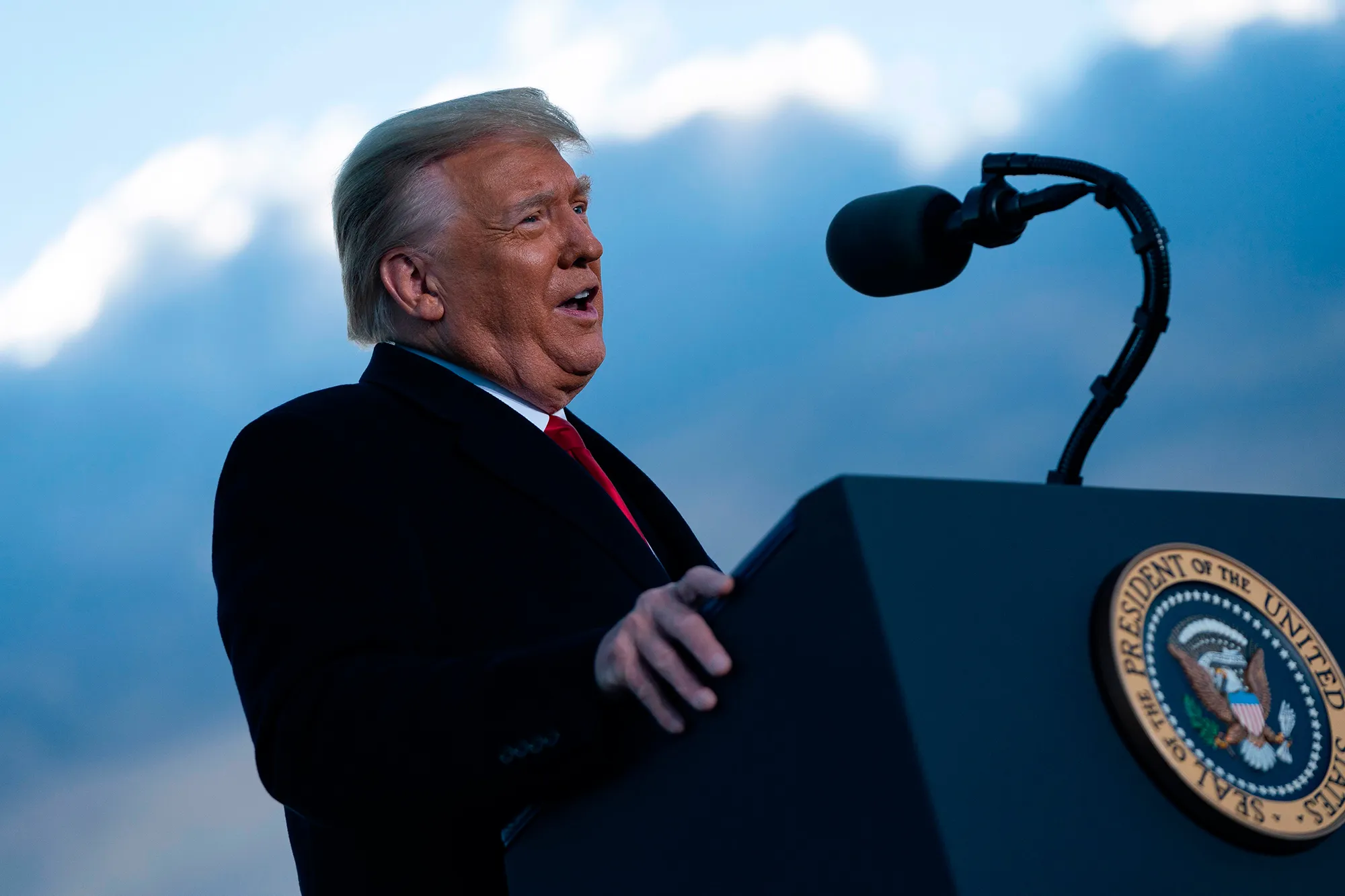
The CPAC (Conservative Political Action Conference) was held at the Gaylord Hotel in Texas, where the event saw significant support for former President Donald Trump. However, many attendees voiced their concerns regarding the current political situation, reflecting a sense of tension within the Republican Party.
This conference, regarded as a key platform for conservatives, brings together party leaders and activists to discuss political issues and future directions. Despite the celebratory atmosphere, there were clear signs of discomfort among participants, raising questions about the party's future amid current challenges.
Event Details
During the conference, several important issues were addressed, including upcoming elections, economic policies, and international relations. Trump delivered a keynote speech, emphasizing the importance of unity within the party, but he did not shy away from mentioning the challenges Republicans currently face.
Internal tensions among various factions of the party were also highlighted, with some attendees expressing concerns about divisions that could impact the party's chances in the upcoming elections. This atmosphere reflects a state of uncertainty as the party seeks to rebuild itself after a series of electoral defeats.
Background & Context
Founded in 1974, CPAC is one of the most prominent political events in the United States, gathering conservative leaders from across the country. In recent years, the conference has become a major platform for expressing support for Trump, who still enjoys significant popularity among the party's base.
However, the current political landscape is complex, with the Republican Party facing multiple challenges, including internal divisions, shifts in public opinion, and the emergence of new competitors. These factors make it difficult for the party to maintain cohesion under the current circumstances.
Impact & Consequences
The anxiety expressed by participants at CPAC indicates that the Republican Party may face difficulties in uniting its ranks ahead of the upcoming elections. This situation could affect the party's strategies and its ability to compete in elections, especially with increasing pressure from Democrats.
Furthermore, this atmosphere could lead to changes in the political dynamics in the United States, as new factions within the party may seek to impose new visions, potentially altering the party's trajectory in the future.
Regional Significance
The United States is a key player in international politics, and its influence extends to the Arab region. The instability within the Republican Party could impact U.S. policies towards the Middle East, where changes in leadership may lead to shifts in military and economic strategies.
Additionally, the upcoming U.S. elections will affect relations between the United States and Arab countries, as many Arab leaders look to understand how these dynamics will influence their national interests.
In conclusion, the CPAC conference serves as an indicator of the Republican Party's future directions and reflects the challenges it faces under current conditions. The concerns raised by attendees may act as a wake-up call for the party, necessitating a reassessment of its strategies to ensure success in the upcoming elections.