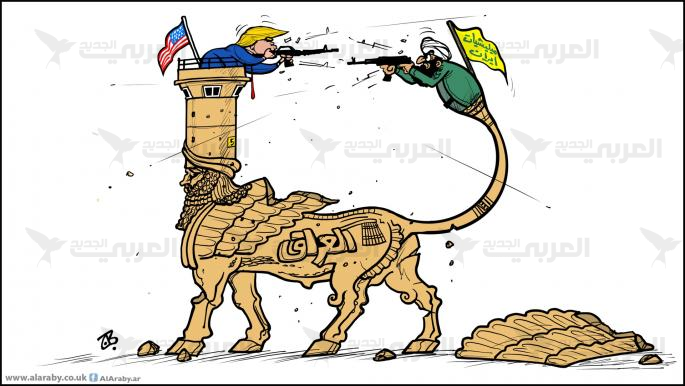
Iraq has recently shown signs of being entirely harnessed to support Iran in its confrontations with adversaries, which raises major concerns about the country's future and independence. This trajectory does not seek to gain the support of Iraqis; rather, it seems to ignore and look down upon them, casting doubts on Iraqi national identity.
Fears are growing that Iraq may lose its national identity under this trend, as it is being used as a tool in regional conflict. While Iran seeks to enhance its influence in the region, it appears that Iraq is paying the price by marginalizing the interests of its people.
Details of the Situation
In recent years, Iraq has witnessed significant political and social transformations, becoming a center for regional conflicts. Iranian support for Iraq manifests in several areas, including military and political backing. However, this support comes at a high cost, as it overlooks the needs of the Iraqi populace.
This dynamic is evident in how political decisions are made in Iraq, where Iraqi voices are marginalized in favor of external agendas. This situation raises concerns among many Iraqis who feel unrepresented in the government.
Background & Context
Historically, Iraq has experienced numerous external interventions, starting with the American occupation in 2003, leading to increased Iranian influence thereafter. This historical context contributes to understanding the current situation, where Iraq has become a battleground for regional conflicts.
Iran, aiming to bolster its influence in the region, uses Iraq as a platform to achieve its goals. This approach contradicts the aspirations of many Iraqis who seek to regain their sovereignty and independence.
Impact & Consequences
The negative impacts of this trend are clear, as public protests against the government, perceived as submissive to Iranian will, are on the rise. These protests reflect the people's dissatisfaction with their marginalization and lack of representation in political decisions.
Moreover, this situation could exacerbate economic and social crises in Iraq, increasing the suffering of citizens. In the absence of a clear national vision, Iraq's future remains uncertain.
Regional Significance
The situation in Iraq directly affects regional stability, as it is considered a meeting point for various regional powers. The increasing Iranian influence in Iraq could lead to heightened tensions in the region, threatening the security and stability of neighboring countries.
This situation also raises concerns among other Arab nations that fear Iran's impact on their national security. Under these circumstances, it becomes essential for Arab countries to adopt effective strategies to confront this challenge.
In conclusion, the future of Iraq depends on the ability of the Iraqi people to reclaim their sovereignty and rights. Amid current challenges, hope rests on the awareness and will of the people to achieve change.