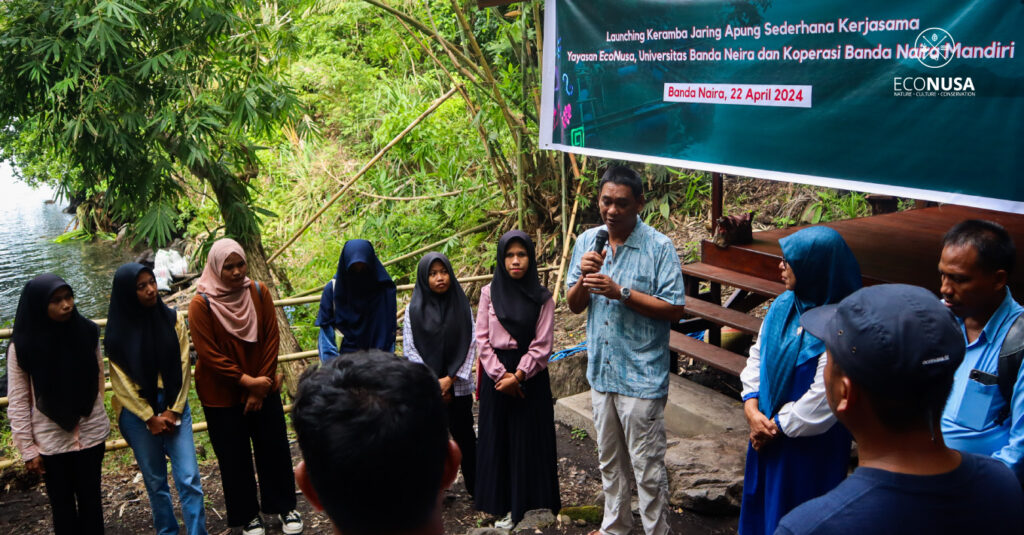
Local communities from Irarutu in the Sugai and Kof regions of West Papua have initiated the process of mapping their traditional land boundaries using modern techniques, supported by the EcoNusa Foundation. During a workshop held from March 26 to 27, 2026, participants were trained in the use of Global Positioning System (GPS) technology and the Avenza application, enabling them to accurately determine their locations.
Mama Otto Bina Masumbau, a prominent participant in the training and the only woman present, expressed the significance of this initiative. She stated, "I feel this is important, so I did not go to collect sago today." This reflects the local community's commitment to preserving its cultural identity and natural resources.
Event Details
The participants in the workshop were divided into groups, with the youth applying location techniques in the field while the elders gathered cultural and social information, including the region's history and traditional leadership structures. This process aims to enhance the local community's role in defining their traditional land boundaries and ensuring their rights.
The Sugai and Kof regions are rich in biodiversity, featuring extensive mangrove forests that play a vital role in the ecosystem. However, this area faces threats from commercial activities such as logging, highlighting the urgent need to protect these resources.
Background & Context
Historically, traditional communities in Indonesia have faced significant challenges in gaining recognition of their land rights. With increasing economic and commercial pressures, it has become essential to raise awareness about the importance of protecting cultural and environmental heritage. The EcoNusa initiative seeks to support communities in this context by providing the necessary tools and knowledge.
This initiative coincides with the Indonesian government's efforts to strengthen laws related to the rights of traditional communities, with proposed legislation aimed at protecting these rights. Official recognition of traditional community lands is a crucial step towards achieving social justice.
Impact & Consequences
This initiative represents an important step towards empowering local communities to reclaim their land rights. By enhancing awareness and knowledge, communities can play a greater role in managing their natural resources. Furthermore, official recognition of their lands can contribute to environmental protection and promote sustainability.
Moreover, the success of this initiative may encourage other communities in Indonesia and beyond to take similar steps. Strengthening the rights of traditional communities can have a positive impact on biodiversity and sustainable development.
Regional Significance
Arab communities also share similar challenges regarding their land rights and cultural heritage. Strengthening the rights of traditional communities in Indonesia can serve as a model for the Arab world, where such initiatives can contribute to protecting cultural heritage and enhancing identity.
In conclusion, the EcoNusa initiative serves as an exemplary model for promoting the rights of traditional communities, highlighting the importance of preserving cultural and environmental heritage in the face of contemporary challenges.