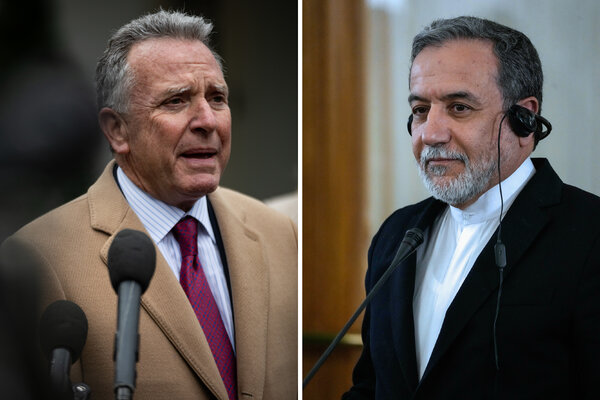
In a move reflecting the regional drive towards enhancing peace and stability in the Middle East, the foreign ministries of Pakistan, Saudi Arabia, Turkey, and Egypt announced their full support on Sunday, March 29, for Pakistan's initiative to host peace talks between the United States and Iran in the capital, Islamabad.
During the ministerial meeting, Pakistani Foreign Minister Muhammad Ishaq Dar stated that the participants agreed that dialogue and diplomacy are the only means to achieve sustainable peace, stressing the need to avoid any further military escalation in the region.
Details of the Meeting
During the meeting, Dar presented a comprehensive overview of the potential talks between the United States and Iran, noting that both parties expressed confidence in Pakistan's ability to facilitate these discussions. It was also agreed to form a committee comprising senior officials from the foreign ministries of the four countries to enhance coordination and explore deeper cooperation opportunities among the participating nations.
The meeting also addressed the evolving regional situation, emphasizing the importance of efforts to de-escalate tensions and end ongoing conflicts. The ministers expressed concern over the humanitarian and economic impacts of the conflicts, stressing that the continuation of hostilities would lead to further destruction and instability.
Background & Context
This initiative comes at a sensitive time when relations between the United States and Iran are increasingly strained, especially following the U.S. withdrawal from the Iranian nuclear deal in 2018. Since then, the region has witnessed an escalation in hostilities, increasing the need for effective diplomatic efforts to rebuild trust among the concerned parties.
Historically, Pakistan has played a pivotal role in mediating between major powers in the region, making it a suitable choice for hosting such talks. The good relations that Pakistan maintains with both countries have further bolstered this initiative.
Impact & Consequences
If this initiative succeeds, it could lead to a de-escalation of tensions in the Middle East, contributing to greater stability in global markets. Additionally, dialogue between the United States and Iran may open avenues for improving relations between Arab states and Iran, potentially contributing to peace in other conflict areas such as Yemen and Syria.
On the other hand, this initiative may face significant challenges, particularly given the internal political divisions in Iran and the pressures exerted by certain regional powers on the United States to refrain from negotiating with Tehran. Therefore, the success of these talks heavily relies on the political will of all involved parties.
Regional Significance
This initiative is seen as a positive step towards achieving stability in the Middle East, where many Arab countries are suffering from the repercussions of ongoing conflicts. The success of the talks could help ease tensions between Iran and Arab states, potentially leading to greater cooperation in areas such as economy and security.
In conclusion, all eyes remain on Islamabad, where many hope this initiative will mark the beginning of a new era of dialogue and peace in a region plagued by ongoing conflicts.