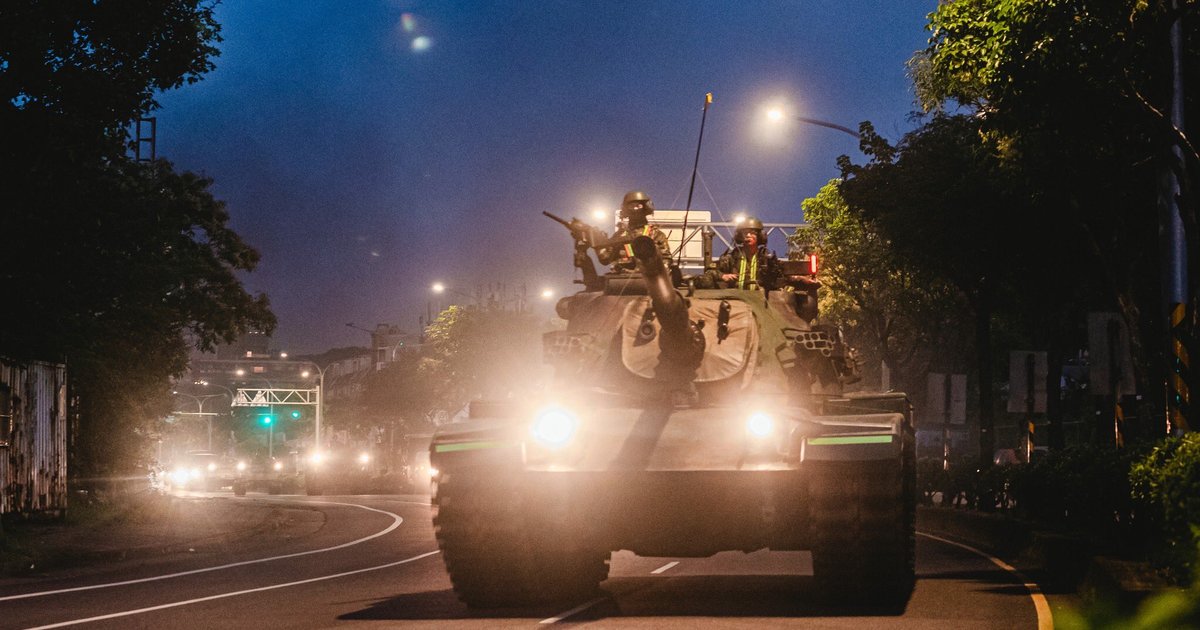
Several U.S. lawmakers have expressed their support for Taiwan's defense budget, which is facing delays in approval. This backing comes as U.S.-China relations experience increasing tensions, raising concerns about regional security in the Pacific.
Taiwan is seeking to enhance its defense capabilities in light of growing threats from China, which considers the island part of its territory. U.S. lawmakers have emphasized the importance of supporting Taiwan in facing these threats, underscoring the need for strengthened military cooperation between the two sides.
Details of the Event
The defense budget for Taiwan, valued at approximately $8.7 billion, is experiencing delays in approval from the U.S. Congress. Several lawmakers have voiced concerns that these delays could impact Taiwan's ability to defend itself against increasing Chinese military threats.
In this context, lawmakers have asserted that U.S. support for Taiwan is not merely a military issue but also a strategic matter related to U.S. national security. They pointed out that enhancing Taiwan's defense capabilities would contribute to regional stability and mitigate tensions with China.
Background & Context
Historically, the relationship between the United States and Taiwan has been complex, with the U.S. being a key ally of Taiwan while China seeks to regain control over the island. Recent years have seen a rise in tensions between the two sides, especially after China increased its military activities near Taiwan.
In 1979, the U.S. Congress enacted the Taiwan Relations Act, which guarantees U.S. support for the island in the face of Chinese threats. Since then, the United States has become the primary arms supplier to Taiwan, contributing to the enhancement of its defense capabilities.
Impact & Consequences
The defense budget for Taiwan is part of a broader U.S. strategy aimed at countering China's growing influence in the Pacific region. Delays in the approval of this budget could negatively affect Taiwan's ability to bolster its defenses, potentially increasing the chances of military escalation in the area.
Moreover, U.S. lawmakers' support for Taiwan could provoke negative reactions from China, which may perceive this support as a threat to its national security. Consequently, this situation could escalate tensions between the United States and China and impact regional stability.
Regional Significance
Amid rising tensions between the United States and China, the Arab region may be indirectly affected. Any military escalation in the Pacific could impact global oil markets, reflecting on the Arab economy. Additionally, relations among major powers influence regional balances and could lead to changes in the foreign policies of Arab states.
In conclusion, U.S. support for Taiwan in the face of Chinese threats remains a vital issue, not only for regional security in Asia but also for global security. Strengthening military cooperation between the United States and Taiwan could have far-reaching implications for international relations and regional security.