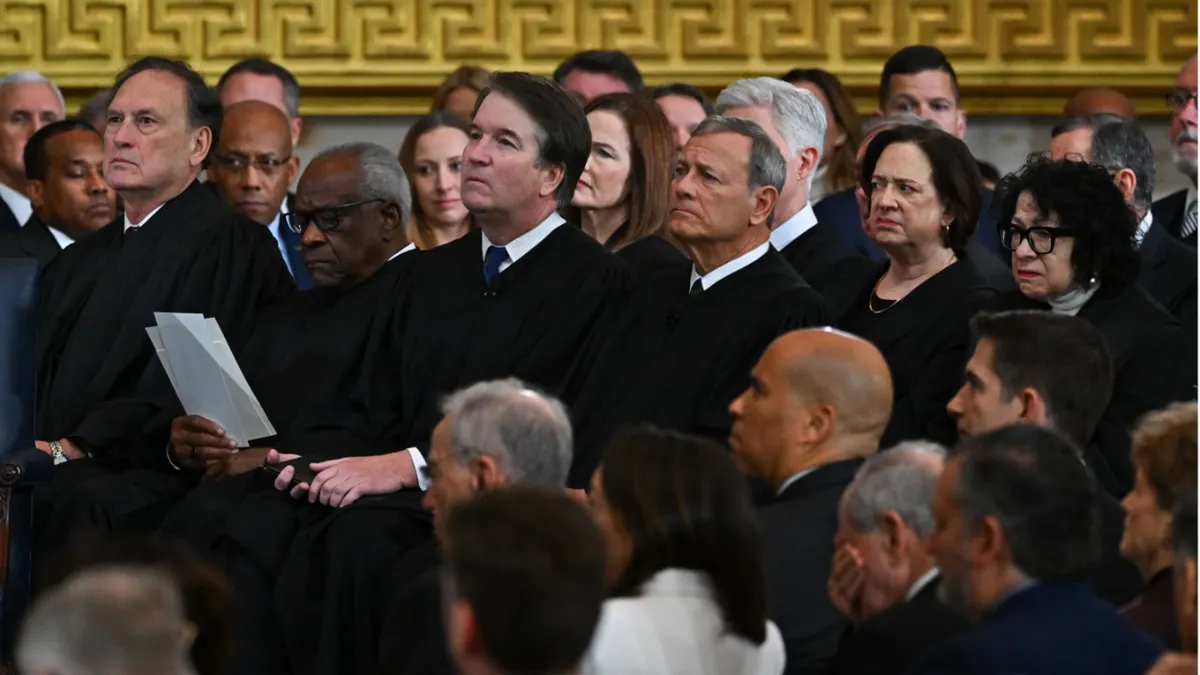
A legal battle is drawing attention in the U.S. Supreme Court over the right to birthright citizenship, as a descendant of a historic family listens to echoes of events from 1898. This case is not merely a legal issue; it reflects a deeper struggle over identity and citizenship in the United States.
The contentious case revolves around the interpretation of citizenship law, with plaintiffs calling for a reevaluation of laws granting citizenship rights to children born in the United States, regardless of their parents' nationality. This case arises at a sensitive time, as discussions about immigration and civil rights intensify across the country.
Details of the Case
The current case involves descendants of a family from Puerto Rico, who argue that their right to birthright citizenship should be respected based on previous laws. In 1898, changes were made to citizenship laws following the Spanish-American War, significantly impacting the rights of citizens in territories that came under American control.
The case is based on the principle that anyone born in the United States should enjoy the right to citizenship, a principle affirmed in the 14th Amendment of the U.S. Constitution. However, there is debate over whether this right should extend to children born to non-American parents.
Background & Context
Historically, the United States has grappled with conflicts over the concept of identity and citizenship. Since the founding of the nation, there have been attempts to define who is considered a citizen and who is not. In the late 19th century, laws were constantly changing, leading to significant disparities in citizens' rights, especially in newly annexed territories.
In 1898, similar issues arose when Puerto Rico was annexed by the United States, sparking debates over the rights of its inhabitants. The current case brings to mind that historical era, viewed as a marker of the social and political changes the country has undergone.
Impact & Consequences
If the Supreme Court rules in favor of the plaintiffs, it could lead to radical changes in American citizenship laws, potentially affecting millions of people. This case could open the door to further legal challenges regarding the rights of immigrants and minorities in the United States.
Additionally, this case may enhance discussions surrounding immigration in the United States, at a time when political and social pressures regarding this issue are mounting. The outcomes could lead to changes in government policies towards immigrants, impacting American society as a whole.
Regional Significance
This case holds importance for the Arab region, as the number of Arab immigrants to the United States continues to rise. Potential changes in citizenship laws could affect the rights of Arab Americans and new immigrants, necessitating greater attention from the Arab community in the United States.
Given the current circumstances, understanding the legal and social issues surrounding citizenship is essential, as these matters can influence relations between the United States and Arab countries, particularly amid ongoing political tensions.