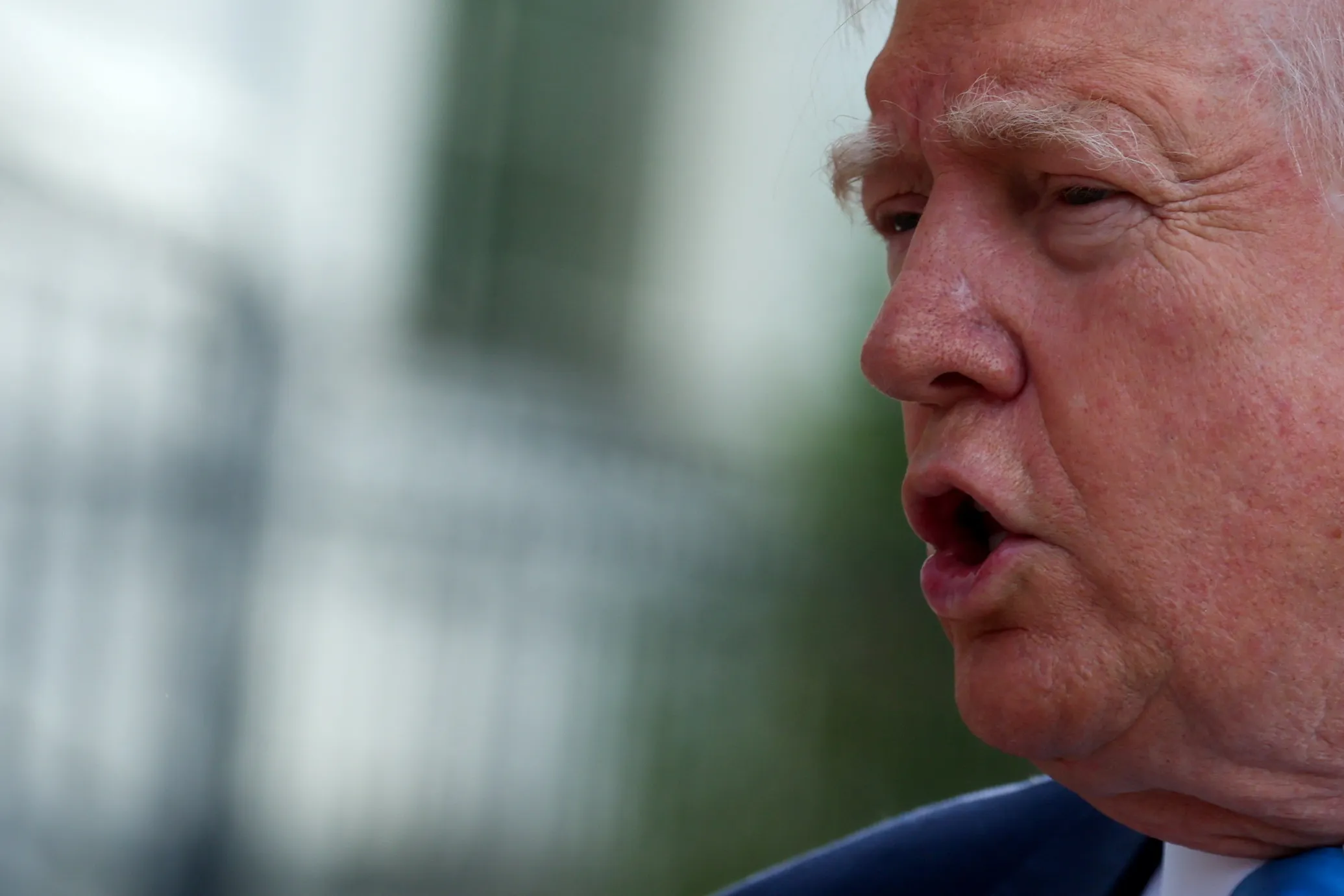
The U.S. Supreme Court interrogated the administration's lawyer on Tuesday regarding the issue of birthright citizenship, with former President Donald Trump present. This case raises considerable debate surrounding the legal interpretation of the 14th Amendment of the U.S. Constitution, which states that any person born on U.S. soil is considered an American citizen.
This session comes at a sensitive time, as some members of Congress seek to change the laws concerning citizenship, increasing the importance of legal discussions on this topic. The administration's lawyer affirmed that birthright citizenship is a fundamental right, while some justices indicated that there may be a need to review this right under current circumstances.
Details of the Hearing
During the session, justices posed multiple questions regarding how current laws affect immigration and new citizens. Discussions centered around whether laws should be amended to reduce the number of immigrants who obtain citizenship merely by being born in the United States. This issue is not new, but it has gained greater momentum in recent years due to political and social changes in the country.
On the other hand, Trump's presence at the hearing garnered widespread interest, as he is considered one of the most prominent advocates for changing immigration laws. He is known for his repeated calls to abolish birthright citizenship, making this session an opportunity to follow his positions and views on the matter.
Background & Context
The 14th Amendment, ratified in 1868, was originally intended to protect the rights of new citizens following the American Civil War. However, this amendment has become a topic of controversy in recent decades, as calls to reconsider its interpretation have increased. In recent years, the United States has witnessed a rise in anti-immigration rhetoric, leading to increased pressure on the government to change citizenship laws.
Historically, laws regarding citizenship have reflected the social and political changes in the country. With the increasing number of immigrants, the topic of citizenship has become more complex, necessitating the Supreme Court to make decisive rulings that could impact the future of many families.
Impact & Consequences
If the Supreme Court decides to change the interpretation of birthright citizenship, it could have far-reaching effects on the immigration system in the United States. This may result in a decrease in the number of immigrants who obtain citizenship, which would affect the demographic makeup of the country. Additionally, this decision could provoke strong reactions from groups advocating for immigrant rights, further intensifying political divisions in the nation.
Moreover, this ruling could impact American relations with other countries, especially those considered major sources of immigrants. It will be crucial to monitor international reactions to any potential changes in citizenship laws.
Regional Significance
Considering U.S. relations with Arab countries, any changes in citizenship laws could affect Arab immigrants in the United States. Many Arab families rely on birthright citizenship as a means to secure their children's future. If this right is curtailed, it could lead to increased tensions between Arab communities in the United States and the U.S. government.
Ultimately, the issue of birthright citizenship remains a vital topic that requires careful monitoring, as any changes could impact the lives of millions of people, both in the United States and in countries that are sources of immigrants.