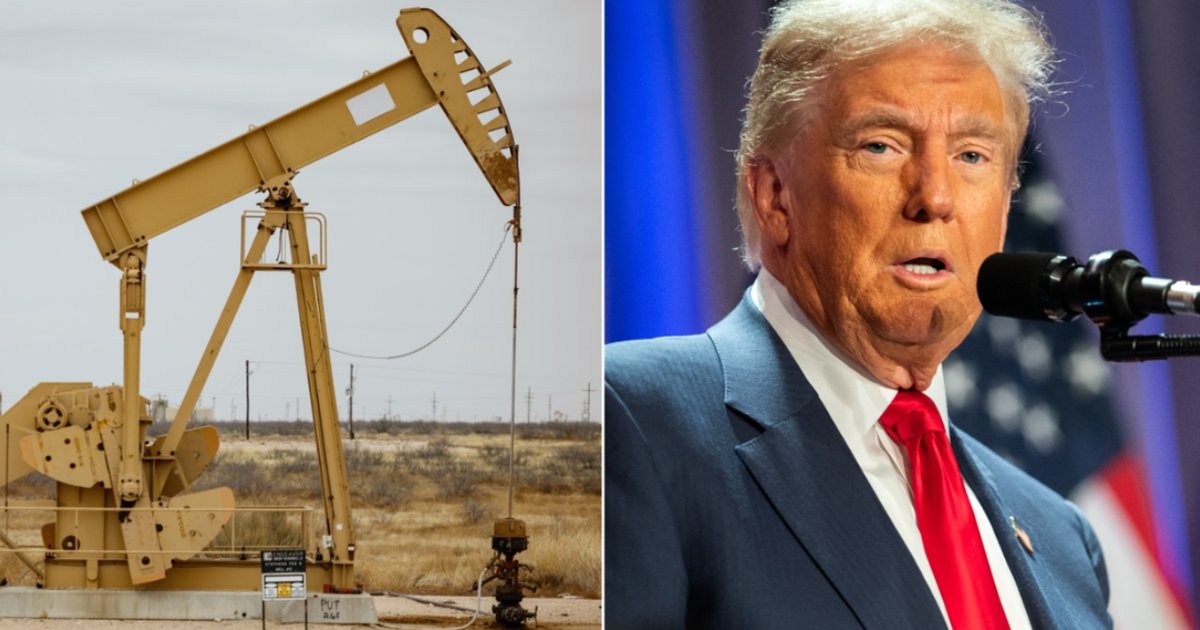
Former U.S. President Donald Trump's statements have raised widespread concern in energy markets, leading to a notable increase in prices following his recent speech. This rise comes amid escalating geopolitical tensions in the Gulf region, especially with threats of closing the Strait of Hormuz, which is considered one of the most important maritime routes for transporting oil and natural gas.
In his speech, Trump warned of the implications of current policies on energy security, indicating that instability in the region could exacerbate global economic crises. His remarks directly impacted oil prices, with futures contracts rising by over 5% in some markets.
Details of the Event
Concerns are growing regarding the potential closure of the Strait of Hormuz, through which approximately 20% of the world's total oil supply passes. Reports have confirmed threats from certain armed groups to close the strait, which could worsen crises in energy markets. These threats have added further pressure on oil prices, which had begun to recover after a period of decline.
It is worth noting that the Strait of Hormuz is a vital transit point for oil, with tankers transporting oil from Gulf countries to global markets. Any closure of this passage would lead to a significant increase in oil prices, impacting the global economy as a whole.
Background & Context
Historically, the Strait of Hormuz has witnessed numerous crises due to political and military tensions in the region. In 2019, we saw a rise in attacks on oil tankers, leading to increased fears of the strait's closure. Additionally, tensions between the United States and Iran contribute to the worsening situation, as Iran continues to threaten to close the strait if further pressured.
In this context, Trump's speech intensifies tensions, as he is considered one of the prominent political figures influencing U.S. policies towards the Middle East. His speech elicited mixed reactions among politicians and analysts, with some viewing his remarks as potentially escalating the situation, while others saw them as a legitimate concern regarding energy security.
Impact & Consequences
The increase in energy prices is expected to affect various economic sectors, including transportation and industry. Rising oil prices will lead to increased production costs, which may reflect on the prices of goods and services. Additionally, oil-importing countries will face additional challenges under these circumstances, potentially leading to increased inflation.
Moreover, ongoing tensions in the Gulf region could lead to greater volatility in financial markets, as investors react to any news related to the Strait of Hormuz. This could result in increased instability in global markets, affecting economic growth in many countries.
Regional Significance
Arab oil-producing countries are the most affected by rising energy prices, as their economies heavily depend on oil revenues. Any increase in prices could enhance the revenues of these countries, but at the same time, it may increase pressures on oil-importing countries in the region.
Ultimately, this event illustrates how geopolitical tensions in the Gulf region can significantly impact the global economy, necessitating greater attention from decision-makers and economic analysts.