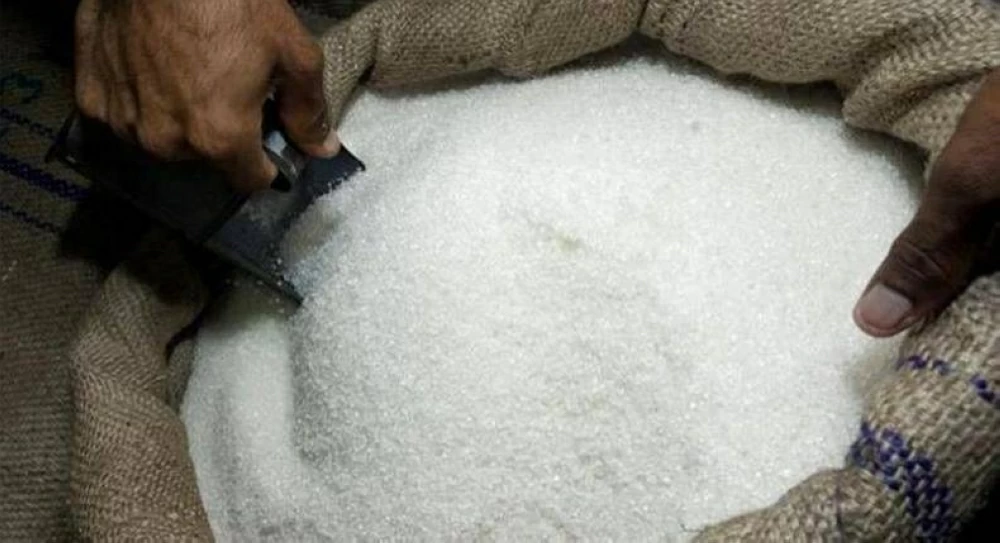
The tense situation in Iran has resulted in a significant rise in global sugar prices, which have reached their highest level in six months. This increase is primarily due to the disruption of shipping traffic in the Hormuz Strait, a vital corridor for raw sugar shipments, adversely affecting supplies from one of the region's main refining centers.
As demand for sugar escalates, exports from both Thailand and India have surged significantly, with India receiving requests for up to 250,000 tons since the onset of the war. Imports are expected to continue declining until June, putting additional pressure on the global market.
Details of the Event
White sugar futures in London were trading at low levels, but since the outbreak of the war, prices have seen a remarkable rebound. Prices have increased by 11%, marking the highest rise since the beginning of 2023. Analyst Claudio Covrig notes that approximately 6% of global sugar trade has been affected by the ongoing events.
The hostilities in Iran have led to a near-total disruption of shipping traffic through the Hormuz Strait, impacting the shipment of raw sugar to local refineries. Some refineries in the Middle East have had to bear higher costs due to reliance on alternative ports such as Fujairah, Khor Fakkan, and Sohar to secure raw materials.
Background & Context
The Hormuz Strait is considered one of the most important waterways in the world, with about 20% of the total global oil trade passing through it. As tensions in the region escalate, it has become clear that any disruption in navigation can significantly impact commodity markets, including sugar.
In recent years, sugar prices have experienced significant fluctuations due to various factors, including climate changes and trade policies. However, the current events in Iran represent a new challenge for the market, as traders seek alternative sources to meet the rising demand.
Impact & Consequences
The repercussions of the war in Iran on the global sugar market are expected to persist, with forecasts indicating that imports will remain weak until June, with the possibility of further declines if disruptions continue into the third quarter of the year.
Traders are searching for alternative sources of refined sugar, leading to increased shipments from India and Thailand. Thailand's exports to Sudan, one of the major consumers, have risen to approximately 35,365 tons by March 25, compared to 45,000 tons in February.
Regional Significance
These developments directly impact Arab countries, particularly those that rely on sugar imports. As prices continue to rise, consumers in the region may face increased living costs, placing additional pressure on local economies.
The tensions in the Hormuz Strait highlight the importance of regional stability in securing food supplies and essential goods. Under these circumstances, Arab countries must consider alternative strategies to enhance food security and reduce reliance on imports.