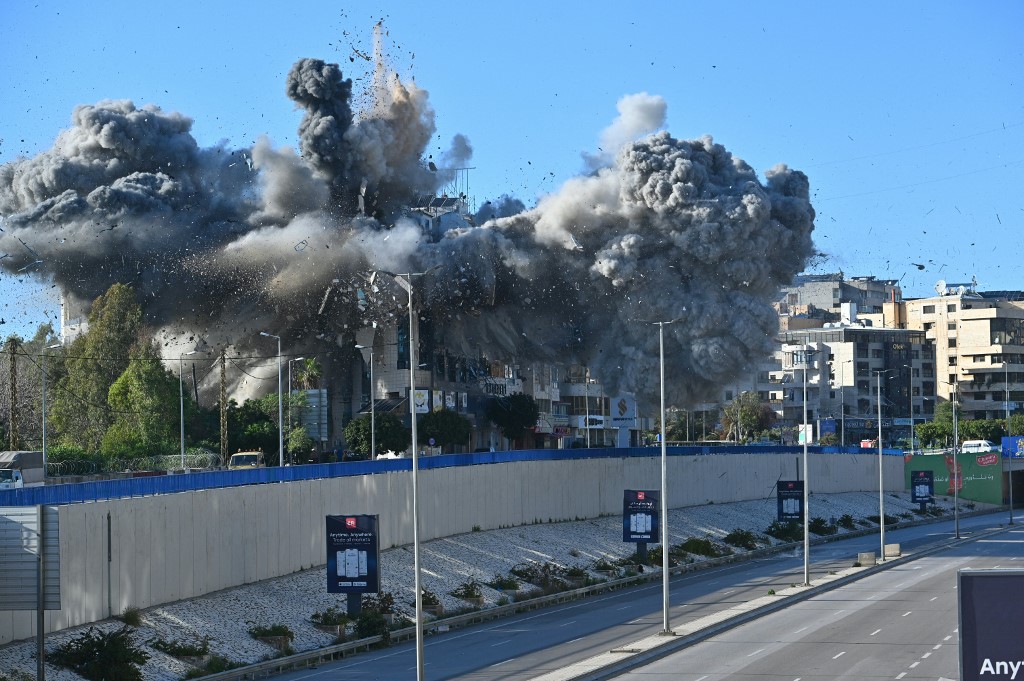
Iran is experiencing a worsening humanitarian crisis, with the International Committee of the Red Cross warning that the country's emergency medical needs are rising sharply, threatening to deplete its medical supplies if the ongoing conflict continues. Since the start of airstrikes on February 28, more than 2,000 people have been killed and 26,500 injured, placing immense pressure on the country's healthcare system.
In statements made by Maria Martinez, head of the International Federation of Red Cross and Red Crescent Societies delegation, she confirmed that the health situation in Iran is deteriorating, noting that three relief workers have lost their lives while performing their duties, including one who was killed in an airstrike targeting a clinic in Zanjan province on March 31.
Details of the Event
Concerns are growing over the worsening humanitarian conditions in Iran, with reports indicating that medical supplies, including emergency kits, may soon run out. Martinez stated, "Our real concern is how quickly humanitarian needs are escalating and our ability to provide the necessary support to the country." These statements come at a time when Iran is suffering from increasing economic and health pressures due to the ongoing conflict.
These figures serve as an indicator of the scale of human suffering in the country, as the healthcare system faces significant challenges in meeting the needs of the injured. The current situation reflects an urgent need for humanitarian assistance.
Background & Context
Historically, Iran has faced numerous humanitarian crises due to conflicts and wars, but the current situation is among the most severe. The ongoing conflict between the United States and Israel on one side and Iran on the other has led to an escalation of military operations, directly impacting civilians. Since the onset of airstrikes, the number of casualties has significantly increased, highlighting the urgent need for humanitarian intervention.
It is noteworthy that Iran has been suffering from economic sanctions that have affected its ability to import medicines and medical equipment, further complicating the health situation in the country. These conditions make it difficult for humanitarian organizations to provide the necessary support.
Impact & Consequences
The repercussions of the current crisis extend beyond Iran's borders, affecting regional stability. The increasing number of casualties and injuries could exacerbate humanitarian conditions in the region, necessitating international intervention. Furthermore, the continuation of the conflict may threaten to ignite new crises in neighboring countries, complicating the regional landscape.
It is crucial that international efforts are combined to provide humanitarian assistance to Iran, as the situation requires a rapid and effective response. Failure to intervene may lead to a worsening humanitarian crisis, placing further pressure on a healthcare system that is already struggling.
Regional Significance
The situation in Iran is particularly significant for Arab countries, as any escalation in the conflict could impact stability in the region. The rising casualties in Iran may lead to an influx of refugees into neighboring countries, placing additional strain on resources in those nations. Additionally, the humanitarian crises in Iran could affect relations between Arab countries and Iran, necessitating greater dialogue and cooperation in humanitarian assistance.
In conclusion, the current situation in Iran demands an urgent response from the international community, as the increasing humanitarian needs could lead to a worsening crisis. Coordinated efforts must be made to provide support and assistance to affected civilians to ensure that the humanitarian crisis does not escalate further.