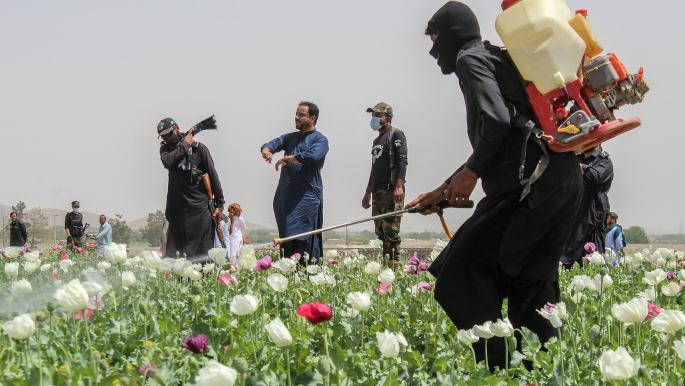
Concerns are rising over the increase in opium cultivation in Pakistan, as reports indicate that production has surged significantly after the Taliban imposed a ban on poppy farming in Afghanistan. This shift in production highlights the failure of the Pakistani government to address this phenomenon, raising questions about the strategies employed to combat drug trafficking.
While Afghanistan was once considered the world's primary source of opium, the Taliban's ban has led to a reduction in cultivated areas within the country. However, Pakistan, which has faced similar issues, has witnessed a rise in opium cultivation, reflecting complex shifts in the regional drug market.
Details of the Situation
According to reports, the areas cultivated with opium in Pakistan have increased significantly, as farmers have seized the opportunity to compensate for losses incurred due to the Afghan ban. Estimates suggest that production in Pakistan has doubled in recent years, making it one of the leading countries in opium cultivation.
This surge in production comes at a time when the Pakistani government is facing both internal and external pressures to combat drug trafficking. Studies have shown that many farmers in remote areas prefer to grow opium due to the high profits compared to other traditional crops.
Background & Context
Historically, Afghanistan has been considered the heart of opium cultivation worldwide, producing about 90% of the global opium supply. However, the ban imposed by the Taliban in August 2021 led to a significant reduction in Afghan production, prompting many farmers to seek alternatives in neighboring countries, including Pakistan.
Pakistan shares a border with Afghanistan, and historically, there have been strong ties between farmers in both countries. As pressures on Afghan farmers increase, it has become easier for them to migrate to Pakistan, where they can continue to cultivate opium without restrictions.
Impact & Consequences
The implications of the surge in opium cultivation in Pakistan are manifold, as this could lead to an increase in cross-border drug trafficking, threatening security and stability in the region. Additionally, the rise in opium production may foster corruption within government institutions, as officials might receive bribes to facilitate cultivation and trade operations.
Moreover, the increase in opium cultivation could negatively impact the local economy, as farmers may shift their reliance towards opium instead of traditional agricultural crops, jeopardizing food security in the country.
Regional Significance
The phenomenon of rising opium cultivation in Pakistan holds particular significance for the Arab region, as it could lead to an increase in the flow of drugs into Arab countries, raising concerns about the spread of addiction. This situation may exacerbate social and economic crises in Arab nations, affecting youth and vulnerable communities.
In light of these circumstances, Arab countries must enhance their efforts to combat drug trafficking by collaborating with neighboring nations and developing comprehensive strategies to address this growing phenomenon.