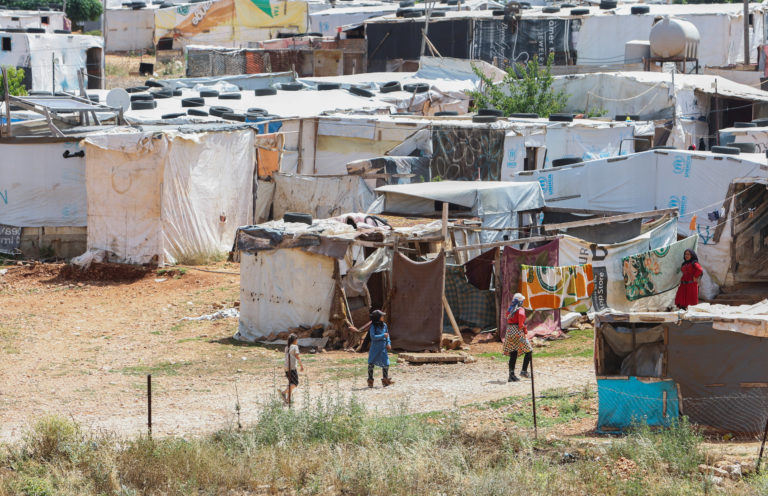
The number of displaced individuals in Lebanon has exceeded one million after a month of war, where they live in harsh humanitarian conditions, with hopes of returning to their lost homes. The suffering of the displaced is increasing as they face daily challenges in shelters, while news of bombings and clashes continues to emerge.
Dareena Zidan, a displaced woman from the town of Deir Qanoun al-Nahr, narrates how her life has changed drastically. She says, "I miss my home and my previous life so much; everything was mine." Although her life in the shelter seems stable on the surface, the feeling of loss lingers.
Details of the Situation
As the war approaches its second month, the number of displaced individuals is rapidly increasing. The Ministry of Public Health reported that the number of martyrs has risen to 1268, while the number of injured has reached 3750. The Ministry of Social Affairs indicates that the number of displaced has surpassed one million, with 130,000 to 140,000 of them in official shelters.
Displaced families are distributed between shelters and safer areas, putting pressure on infrastructure and essential services. Displaced individuals represent about 13% of Lebanon's population, reflecting the widening scope of the humanitarian crisis.
Background & Context
Lebanon's history is filled with conflicts, having witnessed multiple wars since 1975. This new war comes at a sensitive time, as Lebanese people suffer from escalating economic and social crises. The current displacement brings back memories of past wars and increases the suffering of the Lebanese people.
The effects of displacement manifest in daily life details, as the displaced are forced to adapt to new conditions, while memories of their homes and loved ones remain present in their minds. Many live in a state of anxiety and anticipation, wishing for the war to end and to return home.
Impact & Consequences
The war affects all aspects of life in Lebanon, from the economy to education and health services. The displaced suffer from shortages of food and medicine, exacerbating their suffering. Additionally, the psychological pressures resulting from the loss of homes and loved ones impact their mental health.
Challenges are increasing for the Lebanese government, which is struggling to manage multiple crises. The country needs international support to address this escalating humanitarian crisis, as the current situation requires an urgent response from the international community.
Regional Significance
The crisis in Lebanon is part of a larger picture reflecting tensions in the region. Mass displacement could exacerbate humanitarian crises in neighboring countries, necessitating international coordination to address common challenges. Furthermore, the situation in Lebanon may affect the stability of the entire region.
In conclusion, after a month of war, the suffering of the Lebanese people continues, as they live in a state of uncertainty. The hope of returning home remains present, but reality imposes significant challenges on all fronts.