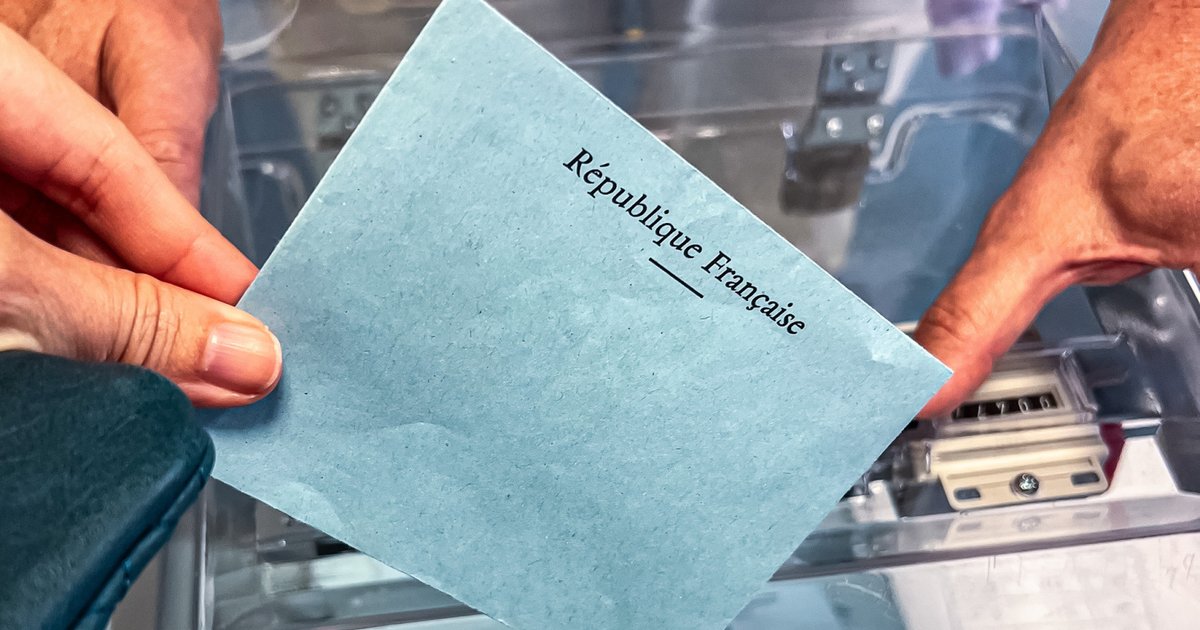
The second round of the 2026 municipal elections in France has presented an exciting landscape in several major cities, as these elections hold particular significance due to the economic and social challenges facing the country. The emergence of several cities as key competitive centers reflects the political transformations that could affect the future of the French government.
It is noteworthy that this round featured fierce competition among fringe parties in several large cities, such as Marseille and Paris. The results mirror the general mood of the French citizens regarding the current administration. The results were counted after a remarkable voter turnout of approximately 65%.
Details of the Event
In the cities of Paris and Marseille, the Socialist Party dominated the landscape, while the National Rally (far-right party) recorded significant progress, highlighting a shift toward the right in the political arena. Conversely, the La République En Marche party, led by the current president, continued to face increasing challenges, especially in major cities.
Other cities like Lyon and Nice also witnessed unexpected results, where independent candidates managed to outperform traditional parties, indicating voters' rejection of conventional governance methods.
Background & Context
The municipal elections in France are an important occasion in the French democratic system, held every six years, which enhances citizen representation in local councils. Historically, these elections have been a mirror to the changes in political and social trends, as seen in the 2020 elections, which witnessed a significant rise of green parties. These results serve as a bellwether for the future political trends in the country.
Moreover, these elections come at a critical time as France faces economic and health challenges following the COVID-19 pandemic, which has influenced voters and pushed them to choose between continuity and change.
Impact & Consequences
These results could leave profound effects on the French political landscape, where the victory of independent parties reflects voters' intentions to move away from traditional parties, potentially leading to a reshaping of the government. These changes may also affect governmental policies, including immigration issues and environmental protection.
According to some analysts, these elections may represent a reflection of the social and economic anxiety experienced by French citizens, urging the government to reassess its future strategies and policies.
Regional Significance
As Arab countries closely monitor these political transformations, the success of right-wing parties in France could affect relations between Europe and Arab states, particularly regarding immigration and the intra-European debate over immigration policies. France's policies in the Middle East may also be influenced.
Given the rise of extreme right influence in most European countries, the relationship with the Arab region is one of the issues that needs to be reassessed in light of the current election results.
In conclusion, these elections present an opportunity for change and harnessing efforts toward a new political process that may contribute to reshaping the French internal scene and enhancing foreign relations, especially with the Middle East.