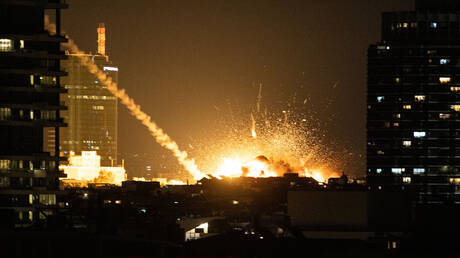
A recent survey has uncovered a profound division within Israeli society regarding the wars fought in Iran, Gaza, and Lebanon. The survey revealed that more than 54% of respondents believe that Israel has lost the war with Iran, indicating a state of anxiety and distrust in the government's ability to manage future conflicts.
These results come at a sensitive time for Israel, as tensions in the region are escalating. In recent years, there has been a rise in Iranian military activities, raising fears of a larger escalation that could impact Israeli national security. Additionally, the situation in Gaza and Lebanon remains tense, complicating the security landscape.
Survey Details and Findings
The survey indicated that 54% of participants believe Israel lost the war with Iran, while only 30% indicated that it achieved victories. These figures reflect a sharp division in opinions, with some believing that the current military strategy is ineffective in confronting increasing threats.
The survey also pointed out that 62% of Israelis feel a lack of confidence in the government and its crisis management capabilities. These sentiments are rising amid the economic and social crises facing the country, increasing pressure on the current government.
Background & Context
Historically, Israeli-Iranian relations have seen increasing tensions since the Islamic Revolution in Iran in 1979. Israel considers Iran an existential threat, especially after the development of its nuclear program. In recent years, Iranian activities in the region have increased, including its support for Hezbollah in Lebanon and armed groups in Gaza.
The repeated wars in Gaza and Lebanon have exposed weaknesses in Israeli military strategy, leading to questions about the effectiveness of these strategies in achieving security. These wars have significantly impacted Israeli society, with the country experiencing substantial human and material losses.
Impact & Consequences
The results of this survey indicate a growing concern among Israelis regarding their security future. With increasing threats from Iran and armed groups, this may lead to changes in Israeli defense policies. It could also affect Israel's relations with other countries in the region, particularly those collaborating with Iran.
Moreover, these sentiments may increase pressure on the Israeli government to adopt new and more effective strategies. Internal crises could impact the government's ability to make decisive decisions in the face of external threats.
Regional Significance
These results are significant for Arab countries, as they reflect a state of instability in the region. With rising tensions between Israel and Iran, there could be repercussions for regional security. Any escalation in the conflict may affect neighboring countries, especially those suffering from internal conflicts.
At the same time, some armed groups in the region may take advantage of these conditions to strengthen their positions. Therefore, the current situation requires close monitoring by Arab nations to ensure that crises do not escalate further.
In conclusion, this survey reflects a state of anxiety and uncertainty in Israeli society, necessitating a reevaluation of security policies and strategies in the face of increasing challenges.