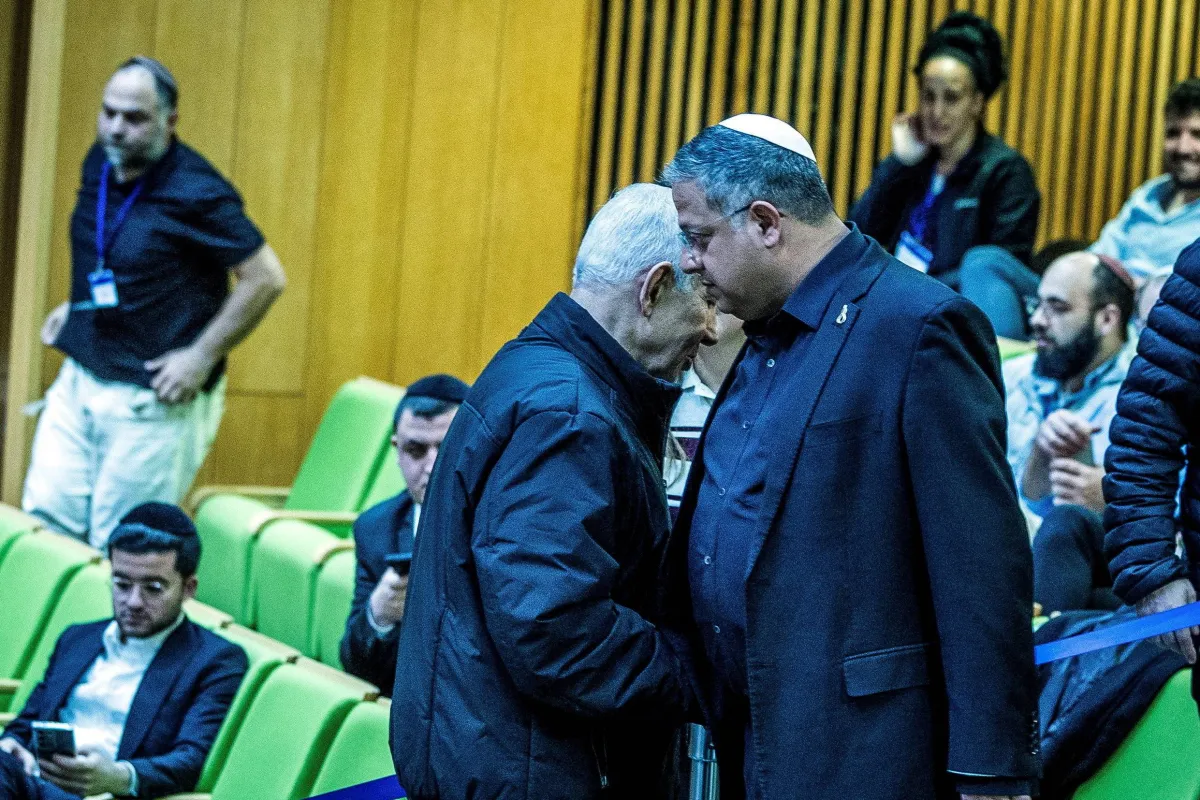
A recent opinion poll in Israel has revealed a notable shift in the attitudes of Israeli youth, showing that a substantial majority of those aged between 18 and 22, who will be voting for the first time in the parliamentary elections, identify themselves as right-wing and support Benjamin Netanyahu's government. If voting were limited to this demographic alone, the current government would be re-elected uncontested.
According to the survey published by the newspaper Maariv on Wednesday, conducted by the Lazar Institute for Research, 56% of young people in this age group consider themselves right-wing, compared to 44% of Israelis over the age of 23. The survey also showed that 22% of the youth identify as right-leaning centrists, while 14% stated they are centrist, and only 8% considered themselves left-wing or leaning towards the left.
Voting Patterns Among Israeli Youth
The survey results also indicate that this rightward trend is reflected in voting patterns among the youth, with the far-right minister Itamar Ben Gvir expected to secure 14 seats if elections were held today, up from just 6 seats currently. On the other hand, minister Bezalel Smotrich, whom many consider a failure, has gained support from the emerging youth demographic, securing 5 seats. Meanwhile, the Likud Party, led by Netanyahu, has seen its seats increase from 27 to 28 among this group.
In contrast, opposition parties have experienced a decline, with seats held by former Prime Minister Naftali Bennett dropping from 19 to 17, while Gadi Eisenkot's party fell to 10 seats. Assuming this generation determines the election outcome, the ruling coalition led by Netanyahu would achieve a majority of 63 seats against 48 for the opposition parties, with the number of seats held by Arab parties decreasing from 10 to 9.
Background & Context
The survey results reveal that Israeli youth feel proud to be Israeli, with 68% expressing pride in their identity, while about half of them believe that Israel is a very good place to live. Additionally, 36% indicated that it is a good place, reflecting a general satisfaction with life in Israel, where the satisfaction rate stands at 79%.
Furthermore, the survey showed that 18% of these young people have served in the reserves since October 7, 2023, with half of them reporting service for several hundred days. If called upon again, 64% would respond without hesitation, reflecting their commitment to military service.
Impact & Consequences
These results suggest that the recent war has pushed Israeli society increasingly to the right, indicating that the next generation of Israelis may be more extreme on critical issues and political stances. This shift could significantly influence Israeli politics in the future, bolstering the position of far-right parties in the political arena.
It is also important to note that this trend may heighten tensions with Palestinians and neighboring countries, as extremism in political stances could lead to new conflicts or exacerbate existing situations.
Regional Significance
This shift in the attitudes of Israeli youth poses a significant challenge to peace in the region, as increased extremism may complicate peace efforts. This trend could also affect relations between Israel and Arab countries, intensifying divisions in the region.
In conclusion, the survey results reflect a significant change in the political attitudes of Israeli youth, warranting attention from decision-makers in the region and the world.