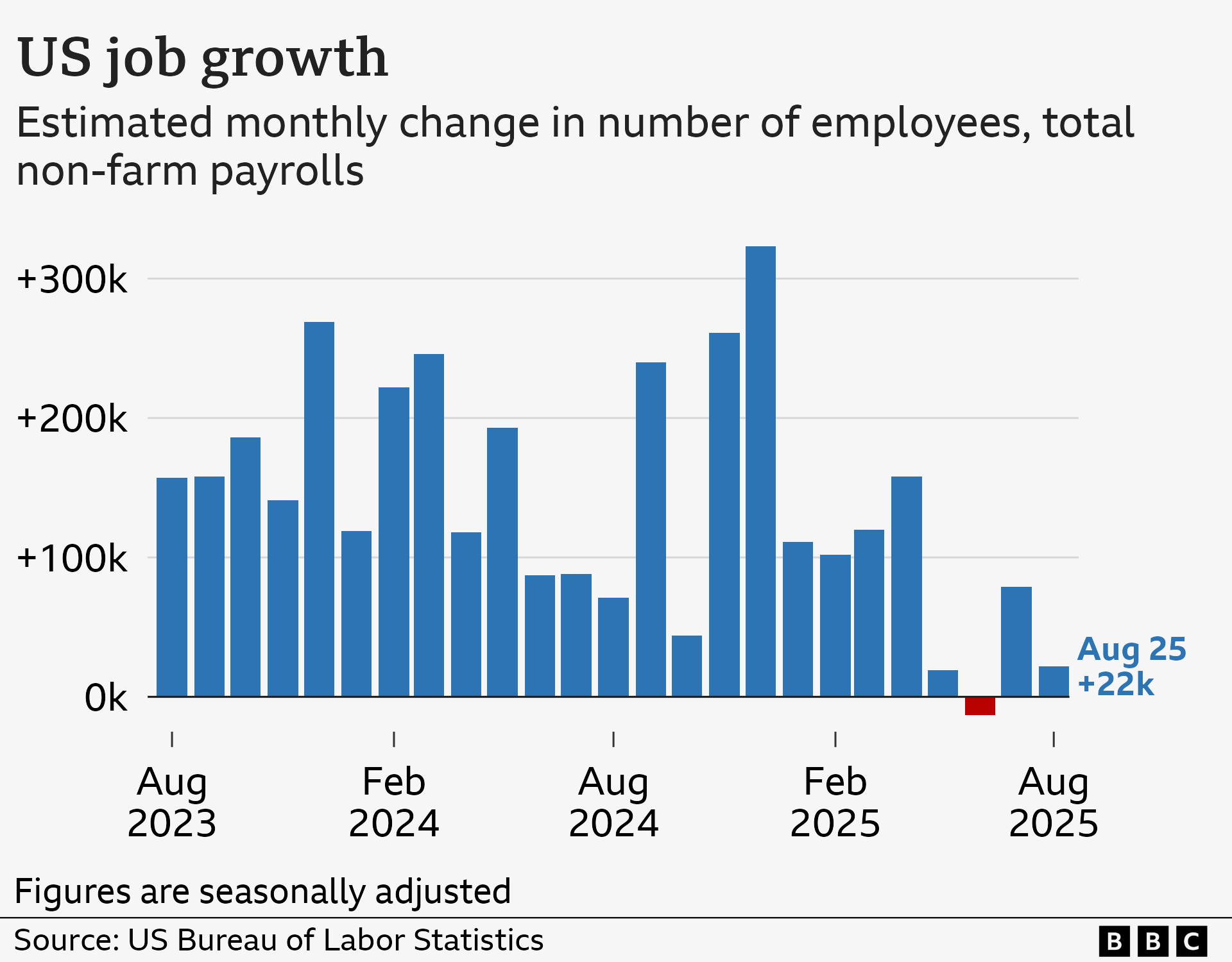
A recent Gallup survey reveals that about 62% of American workers feel that the current time is not suitable for searching for new jobs. This survey comes at a time of uncertainty in the U.S. economy, where fears of economic recession and a declining job market have increased.
The survey, which included a wide sample of workers, indicated that many are concerned about job stability given the current economic conditions. Additionally, 47% of participants expressed a preference for staying in their current jobs rather than risking a search for new opportunities.
Details of the Survey Findings
The results of this survey emerge as discussions about the potential for an economic recession in the United States intensify. Recent economic data has shown a decline in job growth, heightening workers' concerns about their professional futures. Rising inflation rates and interest rates have negatively impacted consumer confidence, making individuals more cautious in their career decisions.
Simultaneously, 53% of respondents indicated that they feel the job market has become more competitive, complicating the search for new positions. Furthermore, 45% of workers expressed worries that transitioning to a new job could result in the loss of their current benefits.
Background & Context
Historically, the United States has experienced periods of economic recession that have significantly impacted the job market. For instance, during the global financial crisis in 2008, millions lost their jobs, leading to record-high unemployment rates. It took the U.S. economy many years to recover from that crisis.
Now, with new challenges facing the economy, American workers appear to be adopting a cautious stance. Previous studies have shown that workers tend to remain in their jobs during economically difficult times, reflecting their desire to maintain financial stability.
Impact & Consequences
These findings serve as an important indicator of how economic conditions influence workers' decisions. If workers continue to avoid seeking new jobs, this could lead to a slowdown in job market growth, affecting the economy as a whole. Additionally, this situation may increase pressure on companies to offer better benefits to attract workers.
Moreover, rising anxiety among workers may impact their consumption patterns, potentially leading to slower economic growth. If consumers feel uncertain, they may reduce their spending, which affects businesses and complicates the economic recovery process.
Regional Significance
While the situation in the United States may seem distant from the Arab region, there are indirect effects that could reach Arab countries. As the U.S. economy declines, demand for Arab exports may be affected, impacting economic growth in the region.
Additionally, a decrease in American investments in Arab countries could lead to reduced job opportunities, increasing the economic challenges faced by these nations. Therefore, monitoring the economic situation in the United States is crucial for Arab countries, especially given the increasing reliance on trade and investment relations with the U.S.