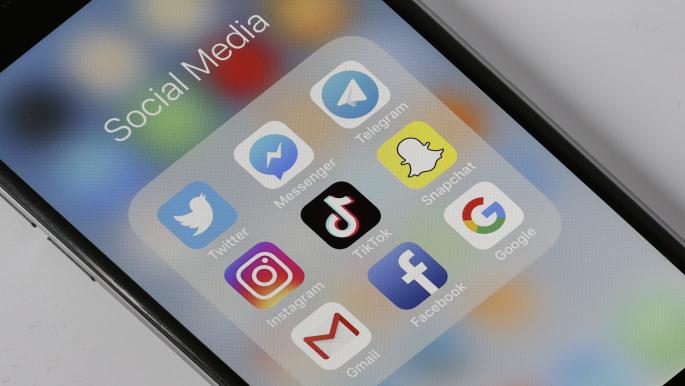
A recent survey reveals that Americans who spend five or more hours daily on social media platforms show less support for democracy compared to their counterparts. These findings raise questions about the impact of these platforms on political values.
The survey was conducted by a team of researchers at Columbia University, where they analyzed social media usage habits among a broad sample of Americans. The results indicated a negative correlation between the time individuals spend on these platforms and their levels of support for democracy.
Event Details
The survey was based on data collected from over 2,000 participants, who were categorized according to the number of hours they spend daily on platforms like Facebook, Twitter, and Instagram. Researchers found that those who spend more than five hours a day using these platforms tend to adopt more skeptical views of the democratic system.
The survey also pointed out that the most active users on social media were more susceptible to misinformation, which could influence their political opinions. The results showed that these individuals are inclined to drift towards extreme or unconventional views, raising concerns about democratic stability.
Background & Context
Social media has become an integral part of daily life for many Americans, allowing them to connect with others and follow news and information. However, excessive use of these platforms may lead to negative effects on democratic values.
In recent years, the United States has witnessed a rise in political and social divisions, with social media contributing to these divides by spreading misinformation and fake news. Previous studies have shown that these platforms can influence voter behavior and political orientations.
Impact & Consequences
The results of this survey raise significant concerns about the future of democracy in the United States. If the trend of excessive social media use continues, it could lead to an erosion of democratic values and an increase in political polarization.
Moreover, these findings may affect how policymakers address issues such as regulating social media and combating misinformation. New strategies may be required to tackle these challenges and ensure that democracy remains strong and healthy.
Regional Significance
Social media also plays a crucial role in the political and social life of many Arab countries. As the use of these platforms increases, Arab nations may face challenges similar to those experienced in the United States.
Misinformation and political divisions could lead to negative effects on democratic stability in the region. Therefore, it is important for governments and communities to adopt effective strategies to confront these challenges and ensure that democratic values remain entrenched.
In conclusion, this survey highlights the importance of understanding the impact of social media on democratic values, and communities must be aware of these effects and strive to promote constructive dialogue and accurate information.