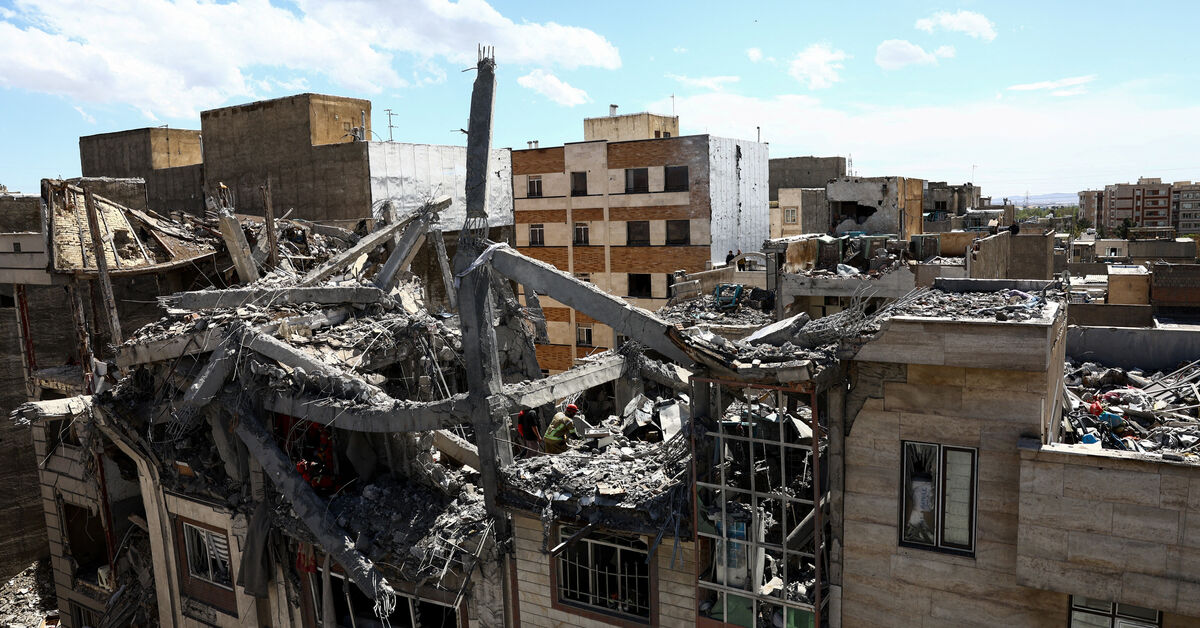
A recent survey conducted by Reuters in collaboration with Ipsos reveals that around 66% of Americans think the United States should work to quickly end its intervention in the war with Iran, even if that means not achieving the goals set by former President Donald Trump. The survey was conducted from Friday to Sunday, with 27% of participants expressing that the U.S. should strive to achieve all its objectives in Iran, regardless of how long the conflict lasts.
This survey reflects a growing concern among Americans regarding foreign military interventions, especially in the Middle East, which has seen long and complex conflicts. Additionally, 6% of participants did not respond to the question, indicating a potential variance in opinions on this matter.
Survey Details and Timing
The Reuters/Ipsos survey comes at a sensitive time for U.S. foreign policy, as there is increasing pressure on the current administration to seek diplomatic solutions rather than military ones. The results show a rising desire among Americans to end wars that have not achieved their intended goals, reflecting a shift in public sentiment towards foreign policy.
These findings coincide with growing discussions about the costs of American wars abroad, with many Americans feeling that these interventions negatively impact the domestic economy and increase the financial burdens on taxpayers. There are also concerns that these wars may exacerbate humanitarian crises in the affected countries.
Historical Context and Background
Historically, the United States has engaged in multiple conflicts in the Middle East, starting with the Iraq War in 2003 and extending to its interventions in Syria and Libya. These wars have significantly affected U.S. relations with Arab and Islamic countries, sparking anti-American sentiments in many nations.
The Trump administration had set clear objectives for dealing with Iran, including imposing strict economic sanctions and pressuring Tehran to change its regional behavior. However, these policies did not yield the desired results, prompting many Americans to reconsider the viability of these strategies.
Potential Impact and Consequences
The results of the survey could influence U.S. foreign policy in the near future. With increasing public pressure to end wars, the current administration may be compelled to reevaluate its strategies in the Middle East. This could lead to changes in how the United States engages with Iran and other countries in the region.
Moreover, these results may encourage some political factions in the U.S. to advocate for more diplomatic solutions instead of military ones, potentially opening the door for new negotiations with Iran. These dynamics could also impact upcoming elections, as candidates seek to win the support of voters who are weary of ongoing wars.
Significance for the Arab Region
For the Arab region, an end to the war with Iran could have significant implications. Iran plays a crucial role in various regional conflicts, including those in Iraq, Syria, and Lebanon. Any changes in U.S. policy towards Iran could lead to a reshaping of regional alliances and a shift in the balance of power in the area.
Furthermore, ending U.S. military interventions could help alleviate tensions in some areas, allowing Arab countries to focus on development and internal stability issues. Ultimately, the question remains about how the United States will handle its relationship with Iran and whether it will move towards diplomatic solutions or continue its military approach.